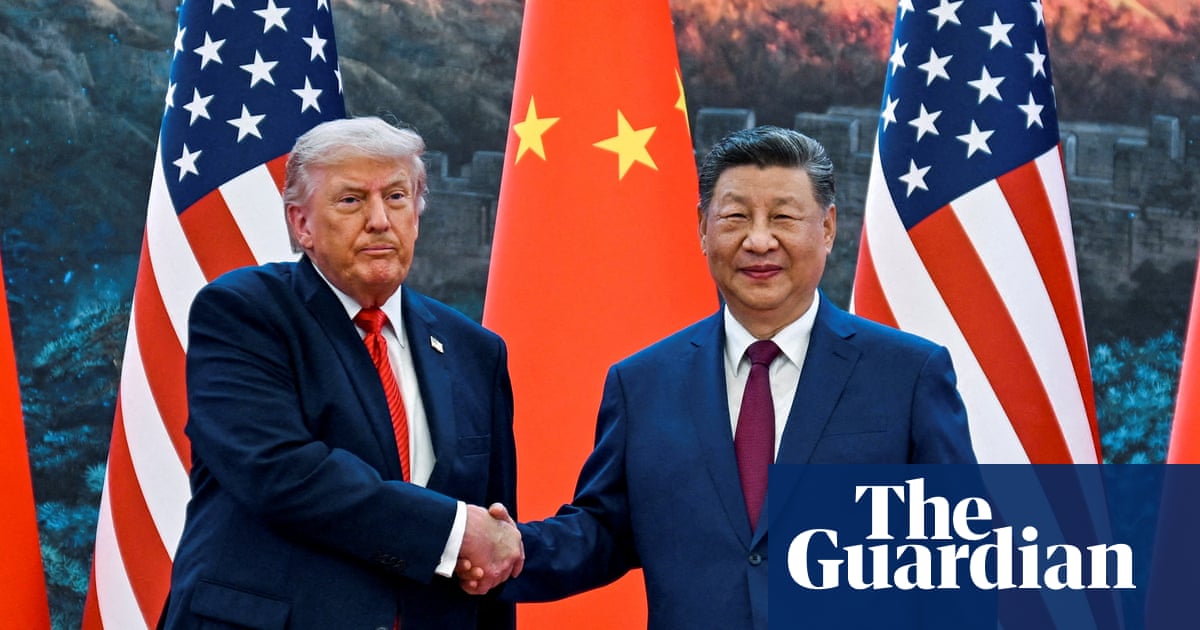
During a signing ceremony in the Oval Office, President Donald Trump formally acknowledged the evolving landscape of artificial intelligence by signing an executive order aimed at establishing tighter regulations on future AI developments. Accompanied by Senator Ted Cruz of Texas and Commerce Secretary Howard Lutnick, the President underscored his administration's intent to manage who can access cutting-edge AI technologies.
Traditionally, leading American tech firms, notably Anthropic and OpenAI, have had the discretion to determine which organizations could employ their most sophisticated AI models. Companies like Anthropic have strategically partnered with select entities to showcase their advanced cybersecurity offerings, such as the Mythos model associated with Project Glasswing. Meanwhile, OpenAI was prompted by the administration to restrict access to its latest GPT-5.6 model, utilizing a specialized group known as Daybreak for similar cybersecurity purposes.
A representative from the White House clarified to CNBC that the administration does not grant approvals for AI technologies released by private firms. The official emphasized that any collaborations or consultations with government experts are purely optional, stating that the timing and extent of AI model releases remain firmly within the purview of the companies themselves, echoed in Trump's recent executive directive.
In a further development, the administration recently halted the release of Anthropic's Claude Mythos 5 and Fable 5, citing "national security concerns." Access was restored after extensive discussions with Anthropic. In line with government requests, OpenAI announced its decision to restrict the rollout of new AI models to "trusted partners" only.