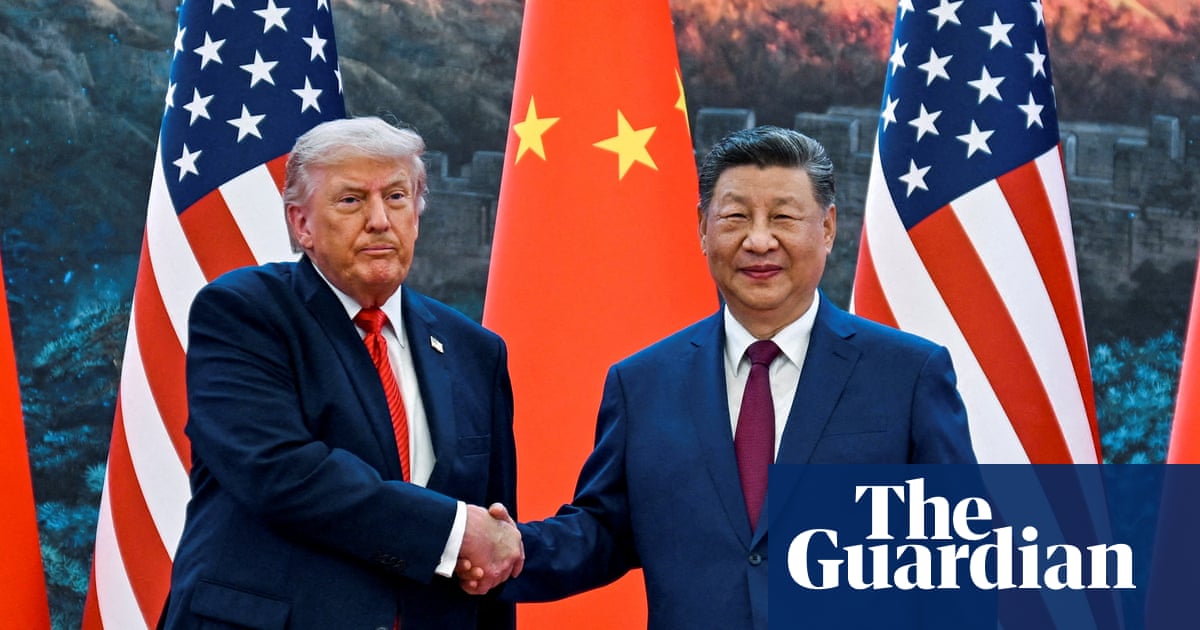
Some tech professionals suggest that China has influenced American sentiment against AI data centers. They believe they've uncovered evidence supporting this claim through a report from X, the platform owned by Elon Musk, which highlighted 200 accounts that allegedly engage in discussions that could skew the conversation around American AI and energy policy.
The flagged posts bear similarities to those identified by OpenAI earlier this summer, which indicated they were likely generated by ChatGPT accounts originating from China. There’s a recognized pattern of countries like China, Iran, and Russia using social media to sway American public opinion in the past.
However, it’s important to distinguish between the assertion that "China exploited the opposition to data centers" and the more significant claim that "China instigated that opposition" or "China significantly boosted it."
In terms of the broader context, it seems unlikely that reports like X's will convert those who are wary of data centers into proponents. Instead, they may reinforce existing opinions rather than change minds.
Labeling concerned individuals as victims of a "psyop" might provide some comfort, but it’s debatable whether it serves any productive purpose. Data centers, much like 21st-century auto factories, have the potential to revitalize communities, yet many people harbor negative views that originated, in part, from China's rapid development of extensive data center infrastructure.
In evaluating X’s report, one should be aware of several critical aspects. For example, while X claims to have identified 200 accounts disseminating anti-data center messages, the report lacks context—there are no specifics regarding the timeframe of these posts or their audience reach. Were these posts viewed by millions of X users, or merely a handful? Furthermore, it’s unclear what demographic engaged with these messages—were they locals near proposed data centers, or a random selection of users?
The screenshots provided by X similarly lack audience metrics, inhibiting any assessment of the engagement levels of these posts. It’s possible that the flagged posts garnered significant attention, but this lack of transparency raises suspicions. Interestingly, OpenAI's earlier assessments indicated minimal reach for many of the anti-data center posts it identified.
There are also questions about why other major platforms, like Meta and YouTube, have not reported similar activity. Both companies have been contacted for clarification regarding this.
Moreover, considering Elon Musk's investment in data centers, his history of providing inconsistent information about his ventures raises further doubts about the reliability of claims made under his leadership. He has previously shown a lack of awareness regarding the issues on his platform when it suits his narrative.
Ultimately, it is conceivable that China aims to sow distrust toward data centers among Americans. However, Americans may already have legitimate reasons for their apprehensions. Simply attributing these concerns to external influences will not address the underlying issues causing hesitation about data centers.