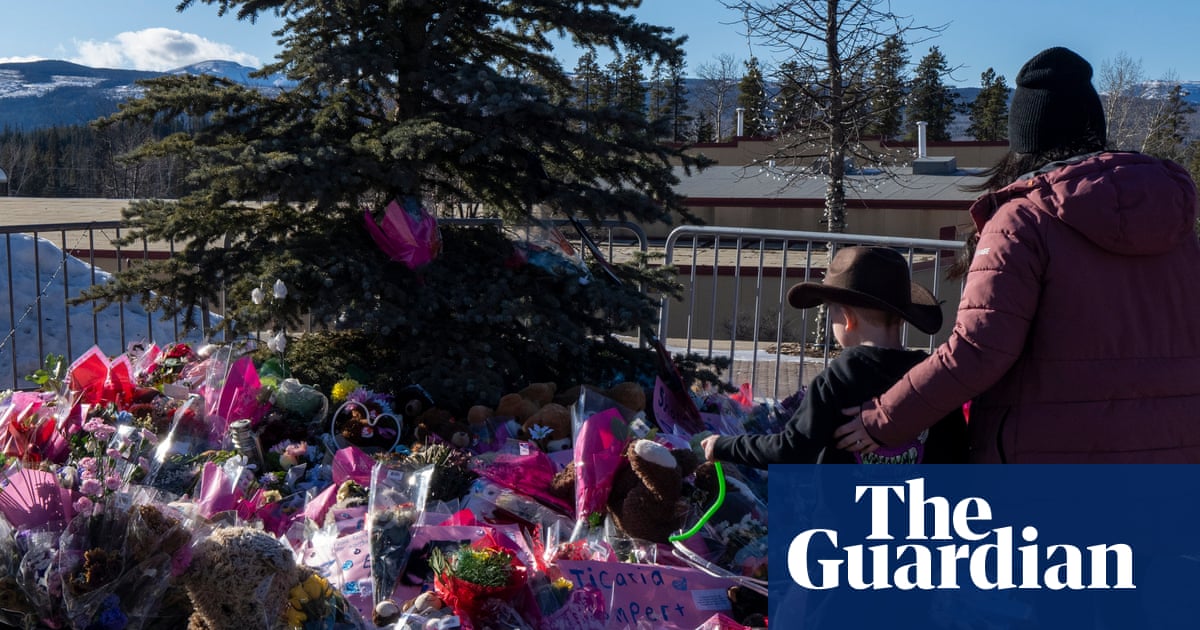
A U.S. legal firm is representing survivors of the Tumbler Ridge mass shooting in filing 30 lawsuits against OpenAI, asserting that the technology company failed to alert authorities about the shooter’s chat history, which could have helped avert the tragic event.
Three of these lawsuits were lodged in a California federal court on Wednesday, naming OpenAI's CEO Sam Altman and alleging the firm applies a double standard when it comes to safety measures. The legal team’s goal is to submit a total of 30 suits, one for each effected party.
According to the claims, while OpenAI promptly informed law enforcement of threats against its employees, it allegedly withheld critical information about the Tumbler Ridge shooter’s violent communications prior to the incident. The lawsuits argue that the company's engagement strategy allowed ChatGPT to engage in discussions about violent topics, which allegedly helped the shooter in orchestrating her attack.
In February, 18-year-old Jesse Van Rootselaar fatally shot eight individuals in the British Columbia community before taking her own life, marking one of Canada’s deadliest mass shootings. Before the assault at the local school, she killed her mother and 11-year-old half-brother at their home.
These latest suits are in addition to seven others initiated in April on behalf of those who lost their lives. The new claims indicate that OpenAI was aware of the shooter's potential threat yet failed to inform law enforcement, fearing that such action would necessitate the establishment of a system for reporting other violent interactions, which could expose the risks associated with their flagship product ahead of a potential trillion-dollar initial public offering.
These allegations remain unproven in a court of law. Lead attorney Jay Edelson stressed the urgency of bringing these cases to trial, suggesting that it may prompt OpenAI to disclose the conversations the shooter had with ChatGPT, which could reveal the chatbot's inherent dangers.
Edelson remarked, "It’s essential to get these cases to a jury promptly, not only for the clients but also for broader public safety concerns."
In a response sent via email, OpenAI’s chief strategy officer Jason Kwon rejected the allegations, asserting that their intelligence and investigations team strives to maintain a balance between user privacy and public safety in challenging scenarios.
Kwon stated, “That judgment isn’t infallible, but it is consistently focused on people's welfare,” adding that it is misleading to claim that those responsible for these tough decisions do not prioritize safety or that outside pressures influence their handling of such matters.
The plaintiffs in the recent lawsuits include an individual who survived being shot in the chest as well as 29 other students and staff members who were direct witnesses to the violence. Notable cases involve a 13-year-old identified as A.C., who survived the ordeal by feigning death among his slain peers, and Deidre Rushlow, a teacher who locked her classroom door and sheltered her students as the shooter fired into the room.
Edelson described the profound emotional scars left on this small mining community, emphasizing that survivors witnessed their friends being killed in a scene reminiscent of a warzone.
The legal claims detail that OpenAI maintains two distinct threat assessment and safety teams. The intelligence and investigations team is tasked with reviewing flagged user content and deciding when to notify authorities about potential risks to public safety, with oversight from the Global Affairs team, which manages public perception.
The lawsuits allege that the Global Affairs team thwarted requests from the intelligence team to alert police regarding the shooter’s violent chat history on ChatGPT. Additionally, allegations suggest that a second unit—OpenAI's corporate security team—acts immediately on threats against its own staff, contrasting with its handling of the Tumbler Ridge situation. The lawsuits contend that the corporate security team alerted San Francisco police about a person expressing intent to harm OpenAI employees in November 2025, even when no immediate danger existed.
OpenAI did not comment on inquiries regarding its corporate security team or the November event, and the San Francisco Police have not confirmed whether they received any such reports.
Historically, legal actions against tech companies have been challenging, but Edelson noted a shifting landscape, citing the recent US$17 billion settlement Meta reached regarding allegations of addiction and safety concerns surrounding its social media platforms, which Meta has denied.
Edelson stated, “These cases would have faced significant hurdles a decade ago, but the legal framework has clarified considerably.”