British Columbia has initiated legal action against OpenAI, asserting that a tragic school shooting in the province could have been averted if the company had alerted local authorities about the shooter’s use of ChatGPT to strategize the assault.
The lawsuit, filed on Monday in a federal court in San Francisco, names OpenAI and its CEO, Sam Altman, as the main defendants. It seeks compensation to support recovery initiatives in the province following the February incident, along with a directive for OpenAI to amend its management of ChatGPT interactions that could incite violence.
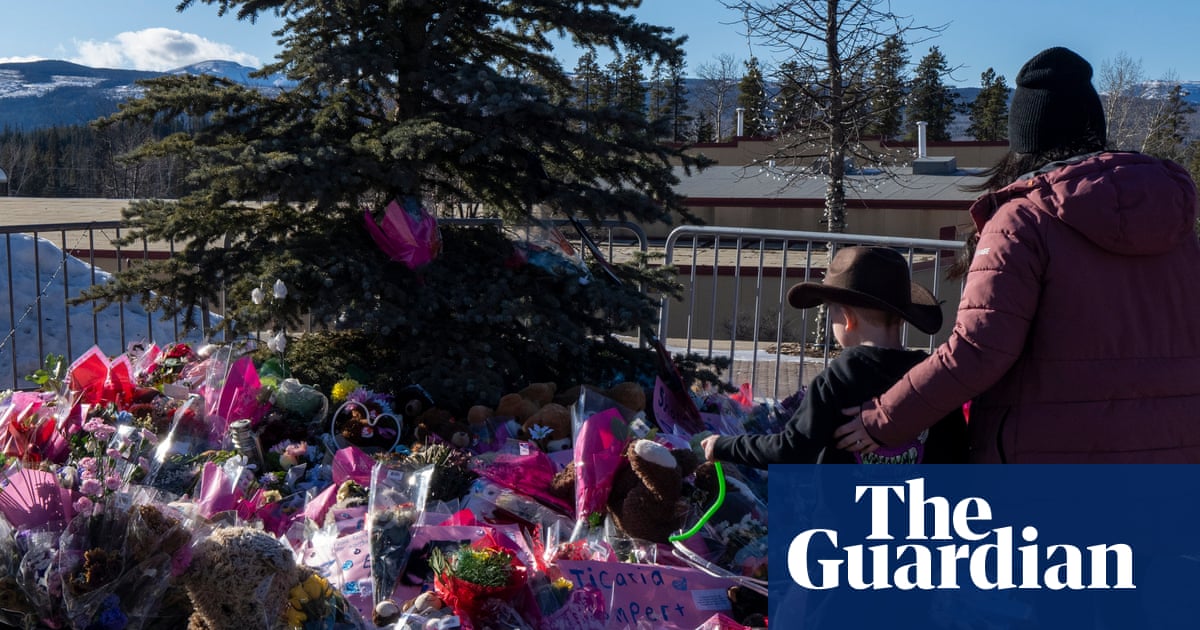
In the horrifying school shooting that took place in Tumbler Ridge, British Columbia, nine individuals were killed, with most of the victims being children. The perpetrator, Jesse Van Rootselaar, had been flagged by OpenAI’s safety team due to conversations revolving around gun violence but was not reported to law enforcement.
Niki Sharma, British Columbia’s attorney general, expressed the community's need for accountability: “The people of Tumbler Ridge have endured an unimaginable loss, and they deserve answers and accountability,” she stated regarding the lawsuit.
There is rising scrutiny on AI firms concerning the potential dangers posed by their products, including causing cyberattacks, spreading disinformation, and enabling violent behavior, not to mention the toll on mental health. OpenAI is also facing lawsuits from the families of victims of the Tumbler Ridge shooting, as well as from those affected by a mass shooting earlier at Florida State University.
In a letter released in April, Altman expressed his heartfelt regrets about OpenAI’s failure to notify law enforcement. He pledged to implement reforms but reportedly did not follow through, despite attempts from Sharma's office to engage with the company, according to the lawsuit.
Currently, the site of the shooting is being demolished, and the province is burdened with the expenses associated with constructing a new school, mental health services, and other repercussions stemming from the attack.
Maya Gebala, one of the survivors who was shot three times, including in the head, now lives with significant brain injuries and permanent disabilities. Her family has shared her recovery journey online, including moments like her recent 13th birthday celebration.
Drew Pusateri, a spokesperson for OpenAI, described the Tumbler Ridge shooting as an “unspeakable tragedy,” reaffirming the company’s commitment to collaborating with government and law enforcement while continuing its safety initiatives.
However, British Columbia contends that OpenAI has not adequately accepted responsibility or acted in response to the tragedy. Sharma emphasized the need for the company to enhance its safeguards and improve transparency about its products, stating, “To date, OpenAI has not taken meaningful steps to address the concerns raised by survivors, families and the Tumbler Ridge community.”
This lawsuit follows a wave of legal actions from over 30 family members and other individuals impacted by the shooting, who have accused OpenAI of neglecting an opportunity to prevent the incident.
On February 10, Van Rootselaar shot her mother and stepbrother at their residence before targeting an educational assistant and five students aged 12 and 13 at her former school. After committing these acts, the 18-year-old shooter took her own life.
The event, one of the deadliest mass shootings in Canada’s history, left the small mining town reeling and the entire nation in shock. It also prompted Canadian officials to demand explanations from OpenAI executives and led to a discussion between Canada’s AI minister, Evan Solomon, and Altman.
OpenAI’s safety team had flagged the shooter’s interactions with ChatGPT as early as June 2025, recommending that law enforcement be contacted. However, this suggestion was reportedly overruled by Altman and other leaders within the company, according to whistleblowers who shared insights with the Wall Street Journal post-shooting.
Despite having the shooter's original account deactivated, she managed to create a new account and continued utilizing the platform to prepare for her attack.
In response to inquiries raised by the Wall Street Journal, OpenAI indicated that their systems detected the account as possibly being misused for violent activities, but the circumstances did not align with their internal criteria for law enforcement notification.
This lawsuit is part of a broader context in which OpenAI faces multiple claims in both state and federal courts in the U.S. over accusations that ChatGPT has played a role in facilitating violence, including other mass shooting incidents.
In June, Florida became the first state to sue OpenAI, alleging that the company misrepresented the safety of its ChatGPT platform, claiming it provided harmful content to potential school shooters and offered advice on self-harm, while also becoming addictive to young users.
OpenAI has denied these claims, asserting that it trains its models to reject requests that could potentially lead to violence and notifies law enforcement when conversations indicate an immediate and credible threat to others.