During a visit to Danville on Monday, Robert F. Kennedy Jr., the Secretary of Health and Human Services, emphasized the transformative potential of artificial intelligence (AI) in enhancing rural healthcare.
His itinerary in Southside included a visit to a facility dedicated to substance use disorder rehabilitation in Chatham, followed by a stop at the Virginia Tech controlled environment agriculture research center in Danville. Republican Congressman John McGuire, who represents the 5th District, guided Kennedy on his tour of the area.
At a subsequent press conference, Kennedy announced that federal investment would help broaden access to healthcare services in rural regions through telehealth solutions and AI technologies. He credited President Trump for making significant strides in revitalizing both rural economies and their healthcare infrastructure, claiming, “The Rural Health Transformation Program is the most substantial investment in rural healthcare this country has ever seen.” This federal initiative is set to allocate $50 billion over five years aimed at improving healthcare in rural communities.
The program is designed to counterbalance cuts made to Medicaid and other crucial health services by the Trump administration, especially in rural areas that heavily rely on federal support for their hospitals and clinics. However, it’s important to note that these funds cannot be utilized to substitute reimbursements from Medicaid or any other insurance plans.
Concerns surrounding this program have emerged, especially regarding potential closures of rural hospitals, gaps in maternal health services, limited dental care options, workforce shortages, and the rise of preventable diseases like hepatitis C.
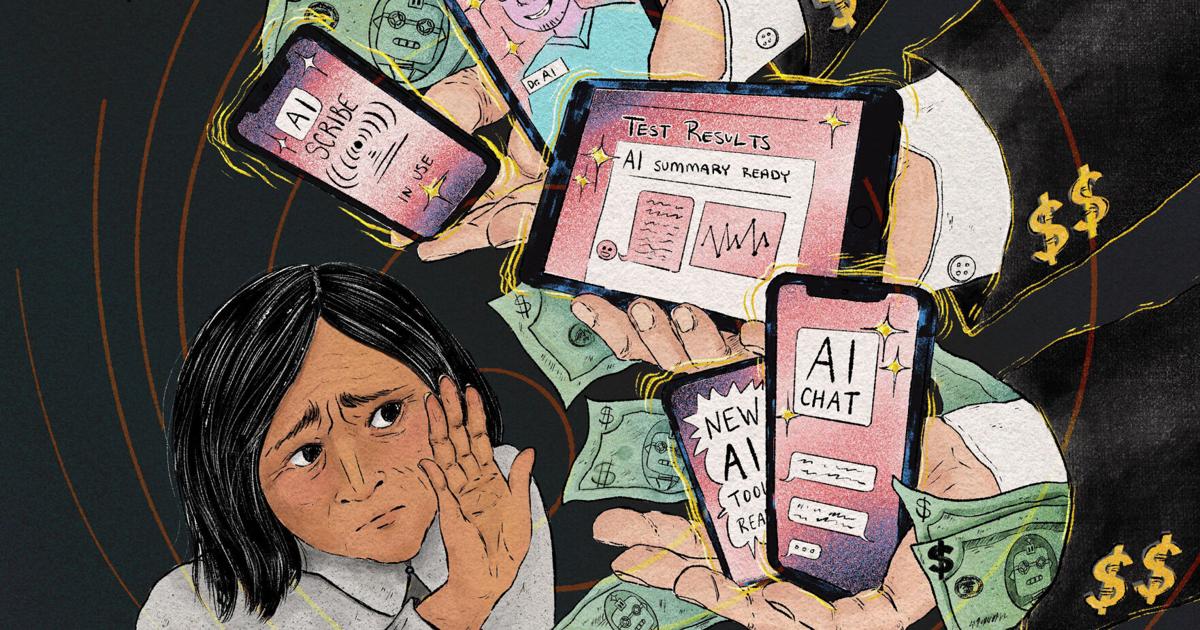
Kennedy highlighted that the infusion of funds would enhance the implementation of AI by healthcare providers, a development he views as particularly vital for rural populations. “With the introduction of new AI systems, doctors can dedicate more time to patient care rather than paperwork,” he explained. “We’re promoting AI-powered nursing support available 24/7. They access your complete medical history, monitor your vital signs, and can provide guidance to prevent unnecessary emergency room visits.”
A 2026 survey conducted by the American Medical Association revealed that around 81% of physicians are currently utilizing AI for various functions, such as searching medical literature, patient triage, documentation of visits, and generating discharge instructions.
While the efficiency gains are promising, there is an ongoing concern regarding data security, patient privacy, and the evolving role of human practitioners within the healthcare landscape.
Kennedy claimed that his department has taken the lead in promoting AI advancements more than any other government agency, jokingly noting, “with the possible exception of the CIA, but they keep their activities under wraps.”
He firmly believes that the most profound influence of AI within the healthcare sector will be in rural America. Having grown up in McLean and studied at the University of Virginia School of Law, Kennedy expressed a strong connection to Virginia, particularly its rural communities.
As the nephew of former President John F. Kennedy and son of Robert F. Kennedy, the former Attorney General, Kennedy is also recognized for his work as an environmental lawyer, author, and anti-vaccine campaigner. Since his appointment as a cabinet secretary in the second Trump administration in 2025, he has become a polarizing figure, known for his controversial views about vaccine effectiveness, changes to federal nutrition policy, cuts in scientific research funding, and significant layoffs within the health and human services sector.