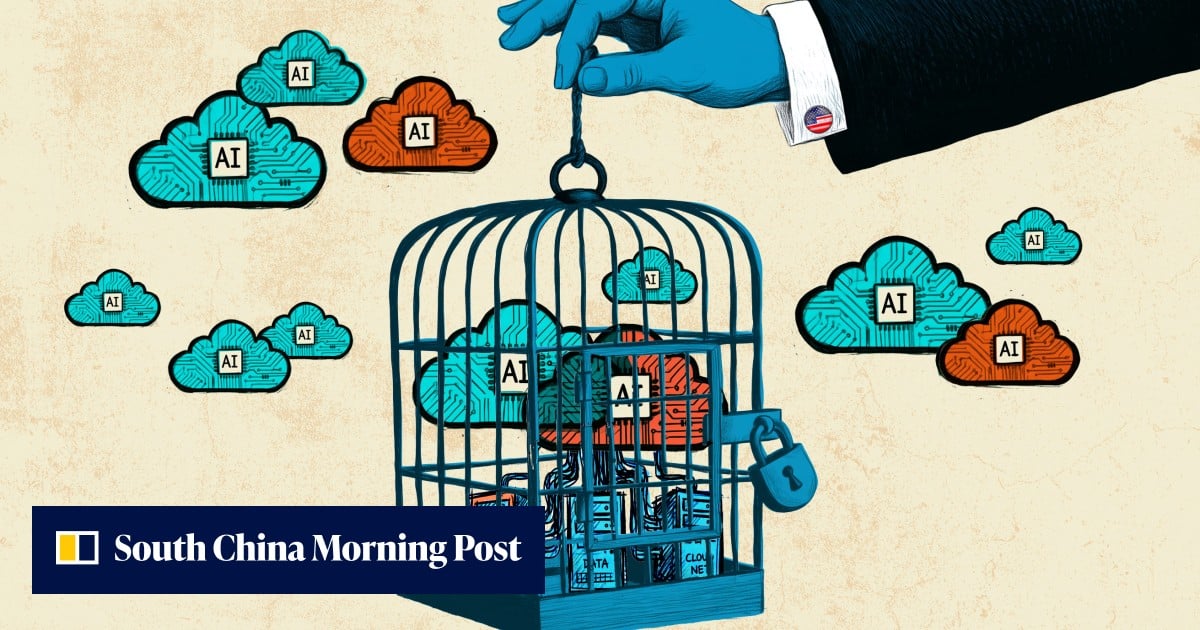
As Nevada confronts the challenges posed by its status as the driest state in the U.S., the significant resource consumption of data centers is coming under scrutiny.
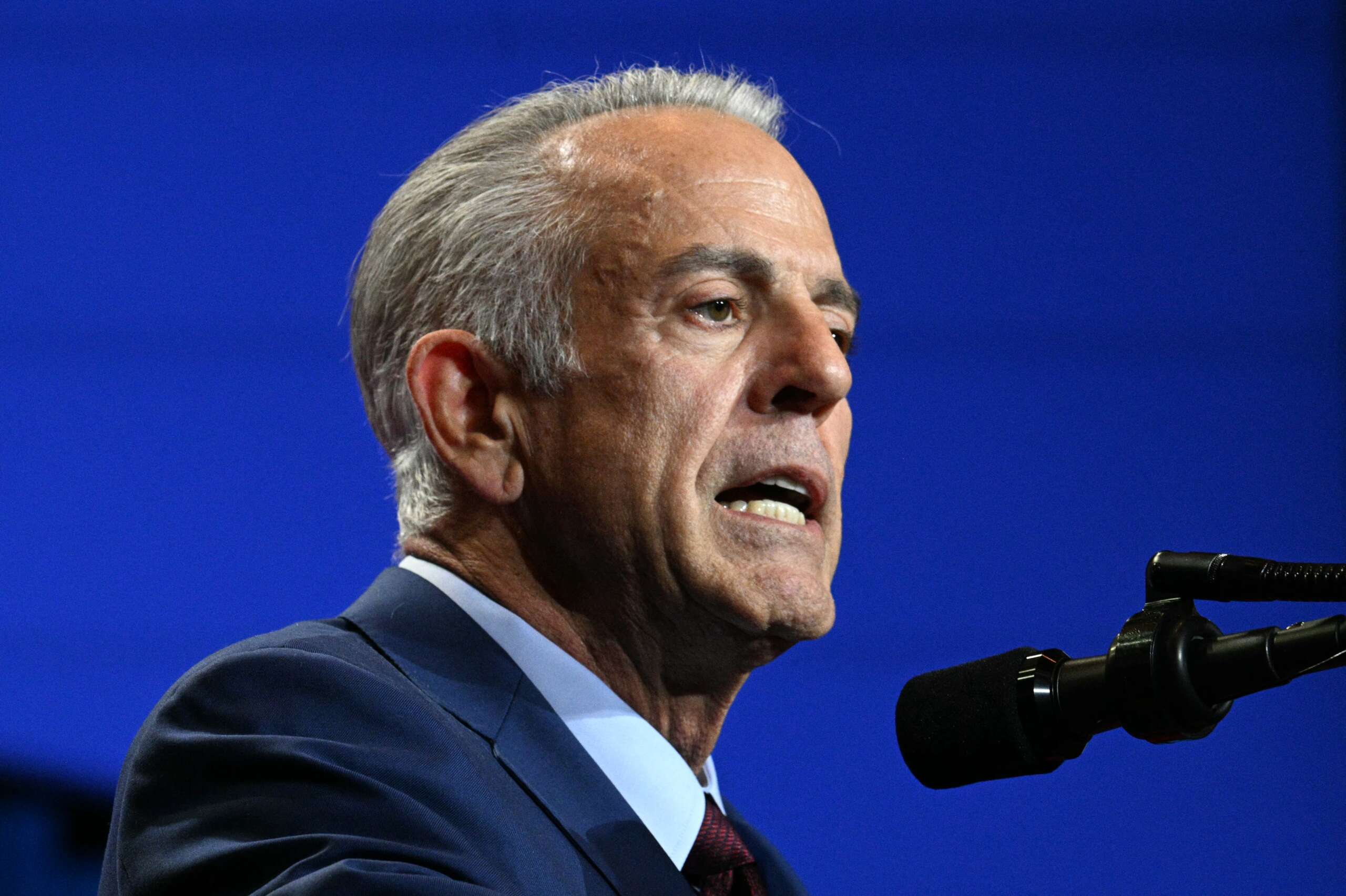
This report originates from The Lever, an investigative news outlet, highlighting the political dynamics surrounding Nevada's data center development. Recently, a notable AI investor and his wife contributed $1 million to a political action committee supporting the reelection of Republican Governor Joe Lombardo, only for Lombardo to subsequently endorse the rapid growth of data centers in the state. Shortly thereafter, the PAC received another $1 million from the spouse of a developer involved in the construction of these facilities, based on campaign finance disclosures examined by The Lever.
With this burgeoning industry relying on approximately $340 million in state tax incentives since 2021, Nevada currently hosts around 70 data centers in various stages of development. However, research indicates that the expansion of this sector may triple the state’s energy requirements and deplete as much water yearly as approximately 150,000 households. As a result, several local governments in Nevada are instituting moratoriums on new data center projects.
This issue is poised to become a significant topic in the upcoming election. Lombardo's adversary, Attorney General Aaron Ford, has openly criticized the governor’s alignment with data centers and filed a lawsuit against the federal government over reductions to Nevada’s already limited Colorado River water allocation—a lawsuit that Lombardo also backs.
“Now we understand why Joe Lombardo is unequivocally in favor of data centers: he’s financially backed by them,” Ford stated to The Lever regarding the contributions linked to the data centers. “Prioritizing his billionaire acquaintances at the expense of ordinary Nevadans is standard for Lombardo. I’m campaigning for governor to reassess data centers’ tax incentives and prevent them from hindering our cost of living, as I advocate for everyday Nevadans, not wealthy data center owners like Lombardo.”
Just a few days earlier, the Better Nevada PAC, which promotes Lombardo, received a combined $1 million donation from Ben and Felicia Horowitz. Ben is a cofounder of the venture capital firm Andreessen Horowitz, which has made numerous investments in AI and data center enterprises. The Horowitzes have been significant political contributors, with past donations to high-profile campaigns, including $2.5 million for Trump’s 2024 bid.
In the wake of these contributions, Lombardo released a video expressing his support for data centers, citing their potential to create employment, investment opportunities, and economic growth in Nevada.
Following this, the PAC secured another $1 million from Jessica Roy, related to the founder of Switch, a data center developer in Nevada that has benefited from significant tax abatements. Andreessen Horowitz also plays a key investment role in Switch.
Additionally, on June 25, Lombardo's campaign received $5 million from the Republican Governors Association, an organization that has garnered considerable backing from donors with vested interests in AI and data centers since January 2025—most notably $3 million from Ken Griffin of Citadel and $2.5 million from Paul Singer of Elliott Management.
Recently, Lombardo commented to the Latin Chamber of Commerce on the potential of data centers to signal a “new gold rush,” provided stringent regulations are established. While appearing alongside Trump at another event, he voiced support for “billionaire friends,” reasoning that these relationships lead to job creation.
Lombardo's team has yet to respond to requests for comments on this matter.
In a June op-ed published in the Reno Gazette Journal, Lombardo described data centers as an opportunity to diversify Nevada’s economy, promising enhanced jobs and investments, provided that the proper regulations safeguard local residents from elevated utility costs and protect water resources. He acknowledged that while data centers are notorious for high water consumption and by increasing electricity expenses for surrounding communities, he claimed that such issues do not currently affect Nevada.
A report issued in January by the Desert Research Institute projected that data centers would account for 22 percent of the state's electrical generation by 2024, a number expected to rise to 35 percent by 2030. Furthermore, it estimated that ongoing development could lead to an annual water consumption of 16 billion gallons by these facilities, a figure tantamount to the needs of around 150,000 households.
The report pointed out that even at peak efficiency, the annual water required for data center cooling could surpass the needs of numerous households, golf courses, and alfalfa farms combined.
In May, NV Energy, the main energy provider in the state, released findings indicating that future energy demands in Nevada could nearly triple, spurred by the growth of data centers. This month, NV Energy also initiated legal action against Tract, a data center developer, alleging attempts to transfer infrastructure and energy costs to consumers, while Tract is reportedly seeking to move the case to a private court to avoid public scrutiny.