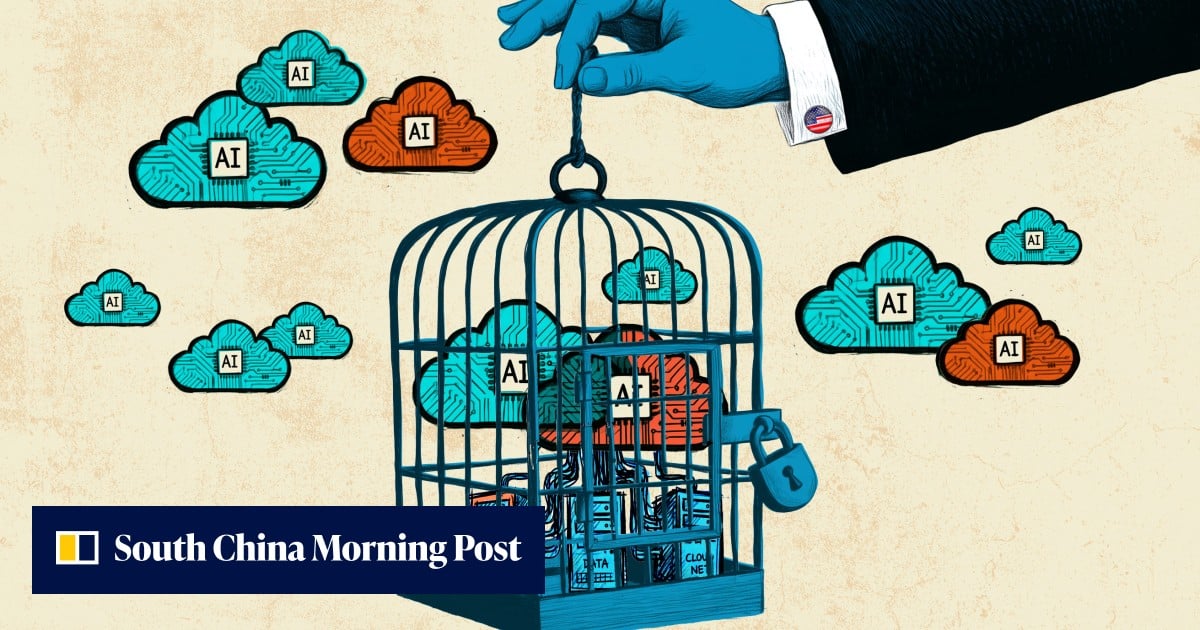
During a discussion with Chinese officials, U.S. Treasury Secretary Scott Bessent announced on Sunday that the United States is proposing a new “notification mechanism” aimed at artificial intelligence incidents that might have implications for national security. This initiative was part of the preparatory talks leading to a meeting this week between President Donald Trump and Chinese President Xi Jinping.
Bessent emphasized the importance of developing a mutual understanding of shared objectives and threats, stating, “We think that just like any cross-border activity, moving from opaque to more transparency between the No. 1 and No. 2 AI powers in the world is very important.” This statement came after Bessent's discussions with Chinese Vice Premier He Lifeng in New York.
Regarding the rapid advancement of AI, President Trump has been hesitant to slow down its development, believing that doing so would allow China to gain ground on U.S. companies in this crucial technology sector.
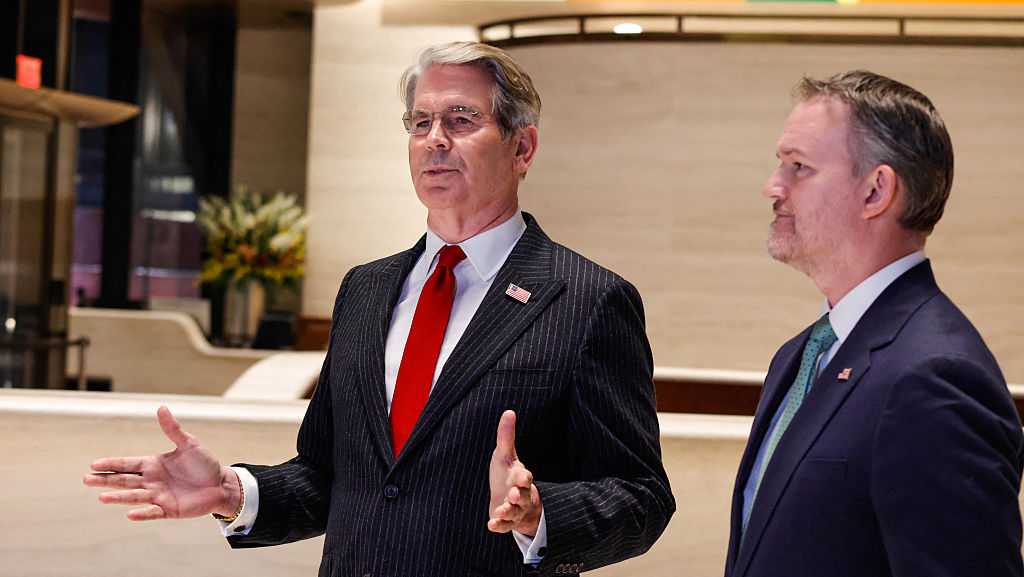
In a press conference at JPMorgan Chase's headquarters, Bessent and U.S. Trade Representative Jamieson Greer announced that significant progress had been made ahead of Thursday's discussions between Trump and Xi. They indicated that both nations had reached an agreement to implement a new “Board of Trade,” which had been previously discussed during the leaders' May meeting in Beijing.
Greer also mentioned ongoing negotiations about potential lower tariffs on “nonsensitive” items, suggesting that this list could include a range of consumer goods, agricultural products, energy resources, and medical devices.