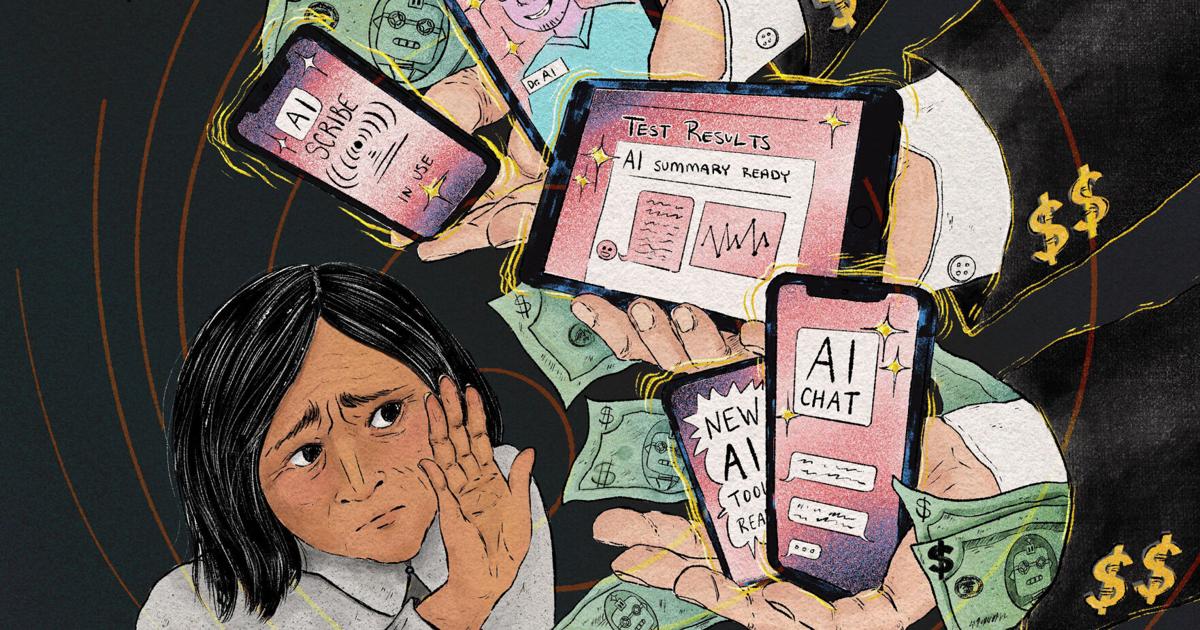
Billionaire entrepreneur Mark Cuban voiced his doubts regarding the role of artificial intelligence (AI) in the healthcare industry, particularly pointing out the obstacles created by major healthcare conglomerates.
On Sunday, Cuban shared his concerns on X, arguing that the rising integration of AI within healthcare may not be advantageous due to the complexities introduced by large healthcare organizations. He noted that physicians dedicate at least 25% of their worktime addressing issues related to these conglomerates, which ultimately complicates and elevates costs for both healthcare providers and patients.
Cuban highlighted, “For every AI development we implement to help doctors navigate these challenges and enhance patient care, these conglomerates will deploy adversarial measures intended to delay services and increase their profits.”
His comments followed a post by venture capitalist Marc Andreessen, who praised AI for its potential superiority to "99.99% of human doctors."
Cuban further argued that employers, including those at Andreessen Horowitz, often lack a clear picture of the actual healthcare costs faced by their employees. He contended that insurers and pharmacy benefit managers (PBMs), along with other health intermediaries, have incentives to resist the adoption of AI in medical practices because transparency about costs could jeopardize their existing business structures.
“Change will come when we stop collaborating with healthcare conglomerates. We need to create systems that allow for direct contracting with healthcare providers to eliminate unnecessary middlemen,” he emphasized.
The discussion around AI in healthcare gained traction over the weekend after Andreessen endorsed an OpenAI finding suggesting that doctors found fewer mistakes in the medical assessments generated by GPT-5.6 compared to those made by human practitioners. This aligns with comments made by OpenAI CEO Sam Altman, reflecting on the model's performance metrics.
In April, a West Health-Gallup survey indicated that 25% of adults in the U.S. have utilized AI tools or chatbots for health-related information, showcasing a growing trend of integrating technology into traditional healthcare practices rather than replacing them.
(Note: This content was developed in part with AI assistance and has undergone review and publication by Benzinga editors.)