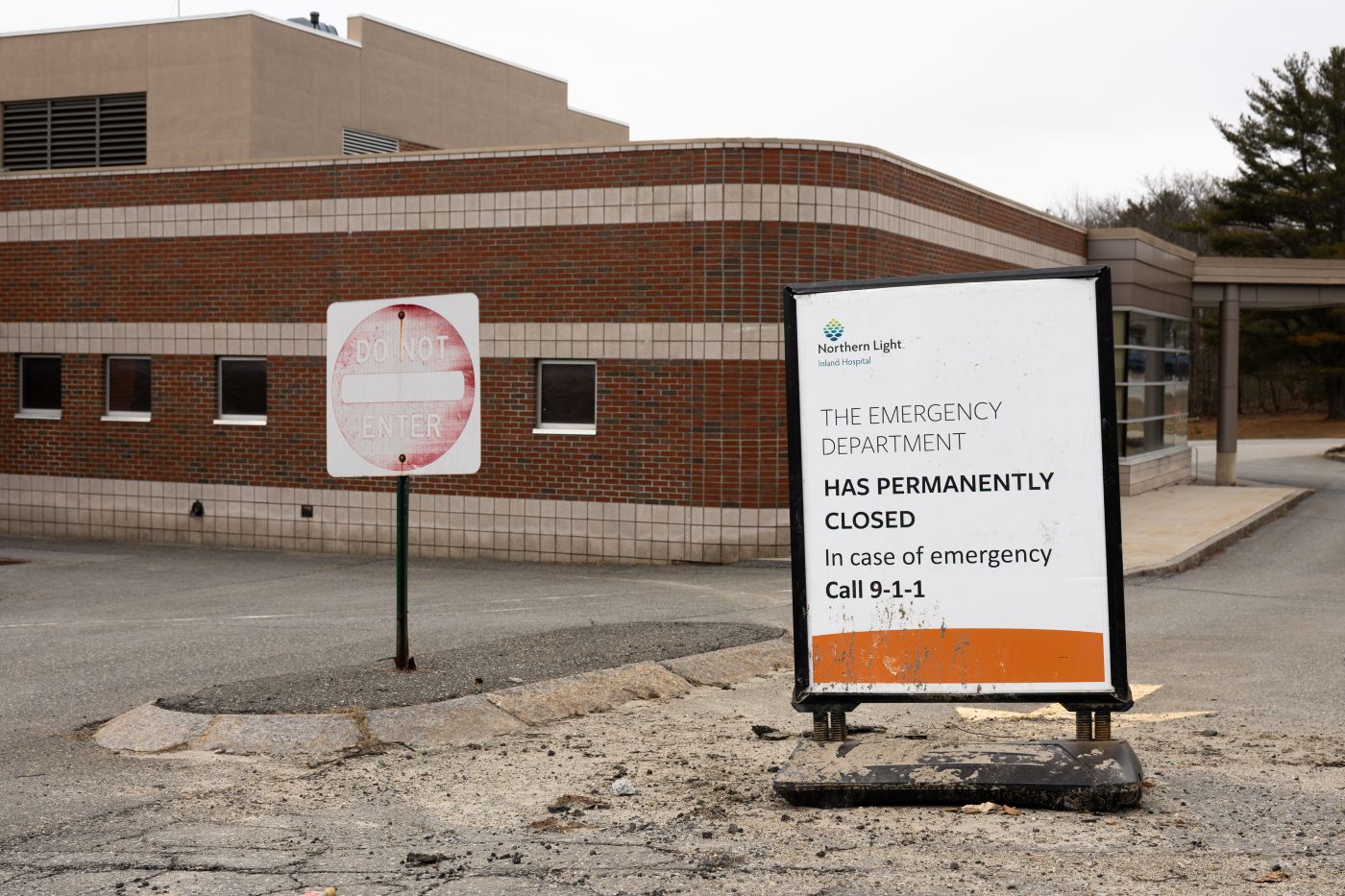
As Maine faces the challenges of an aging populace with complex health needs and rural hospitals grappling with workforce shortages, state officials are actively seeking innovative solutions to modernize healthcare delivery in the region. In a bid for funding from the federal Rural Health Transformation Program, they emphasized the need for “a new approach to delivering rural health care,” which may incorporate advancements in artificial intelligence, though specific applications are still under development.
This five-year, $50 billion initiative was included by congressional Republicans as a late addition to President Donald Trump's Big Beautiful Bill Act last summer, aimed at addressing concerns over proposed cuts to Medicaid spending, which could exceed $900 billion over a decade.
Maine is set to receive $190 million during the first year, with plans to allocate these funds towards recruiting healthcare professionals in rural areas, enhancing community-based care, mitigating transportation obstacles, fostering regional collaboration, and more. Originally, some of the funds were intended to assist hospitals and clinics in covering treatment costs for uninsured, low-income patients, but the Centers for Medicare and Medicaid Services (CMS) rejected this proposal, as reported by KFF Health News.
CMS, led by Dr. Mehmet Oz, is encouraging states to utilize these resources for innovative strategies, emphasizing the integration of new technologies. Health and Human Services Secretary Robert F. Kennedy Jr. articulated last year to a Senate committee the intent to curb the crisis facing rural hospitals through AI and telemedicine, also referencing the futuristic concept of an “AI nurse” indistinguishable from a human.
Maine's strategy involves a $200 million investment over five years aimed at enhancing technology for rural healthcare providers, which includes upgrading electronic medical record systems and expanding telehealth capabilities. The vision also proposes the creation of a Maine Rural AI Hub to facilitate the adoption of contemporary AI technologies and the establishment of a Rural Health AI Innovation Institute to encourage the development of AI tailored for rural communities. However, the specifics remain vague regarding what technologies will be prioritized.
A representative from the Maine Department of Health and Human Services, which is spearheading the initiative, declined to discuss the AI Hub’s detailed plans, indicating that they are still in the “very early phases” of development.
AI encompasses a wide array of technologies that harness algorithms and extensive data sets to identify trends and produce insights that typically require human intelligence, ranging from simple text summaries and audio transcriptions to complex data analyses. In healthcare, AI is already streamlining administrative tasks, including appointment scheduling and note-taking, and serves as a diagnostic tool in areas like X-ray interpretation.
Despite the potential benefits, the implementation of AI in healthcare brings forth significant challenges, as highlighted by a policy brief from The National Rural Health Association. Issues concerning data quality, limited training data, user privacy, accessibility, and ethical as well as legal ramifications must be addressed to achieve broad adoption.
Maine's proposal aims to develop the Maine Rural AI Hub in collaboration with Duke University, which would provide expertise and oversight to assist rural healthcare organizations in establishing efficient governance models for AI integration in both clinical and administrative functions. Additionally, the plan includes the establishment of the Rural Health AI Innovation Institute, with an initial budget of $500,250.
The exploration of AI in rural healthcare and the goal of positioning Maine as an “innovation hub” were among the key recommendations from the Maine Artificial Intelligence Task Force's report released last fall. The report noted that various health systems in the state have already begun to employ AI tools for tasks like ambient documentation and remote patient monitoring, with promising early results in enhancing clinician retention and improving diagnostic accuracy.
Maine has chosen MCD Global Health, based in Hallowell, as its technology and innovation partner for this initiative. The organization is currently seeking applications for around $30 million in funding aimed at helping healthcare providers upgrade their electronic medical record systems, with further details on proposals for digital health and AI solutions forthcoming.
Noah Nesin, a family medicine physician involved with the Maine Public Health Association, is aware of the plans for the Rural AI Hub through his association with an accountable care organization that provided input on the application. He recognized both the potential advantages and significant privacy concerns associated with the deployment of AI in healthcare, particularly regarding how patient data might be utilized to train these systems.
Nonetheless, for smaller rural practices that lack the resources of larger urban counterparts, AI could offer significant advantages. He cited AI applications like OpenEvidence, which pull from medical literature to assist providers in making informed decisions without excessive time spent on research. AI could also help identify at-risk populations requiring more proactive care, thus improving patient outreach and intervention.
Rebecca Boulos, the executive director of the Maine Public Health Association, echoed concerns about privacy, emphasizing the necessity for providers to secure patient consent before employing AI tools and to maintain transparency regarding data usage, access, and oversight. She also raised critical considerations about the infrastructure demands associated with increased AI utilization, such as the need for robust data centers and broadband connectivity.
“If discussions about AI in healthcare or public health are to be productive, they must address the infrastructure required to support such technologies,” Boulos asserted, highlighting the importance of evaluating resource needs, land use, and community engagement in the process.