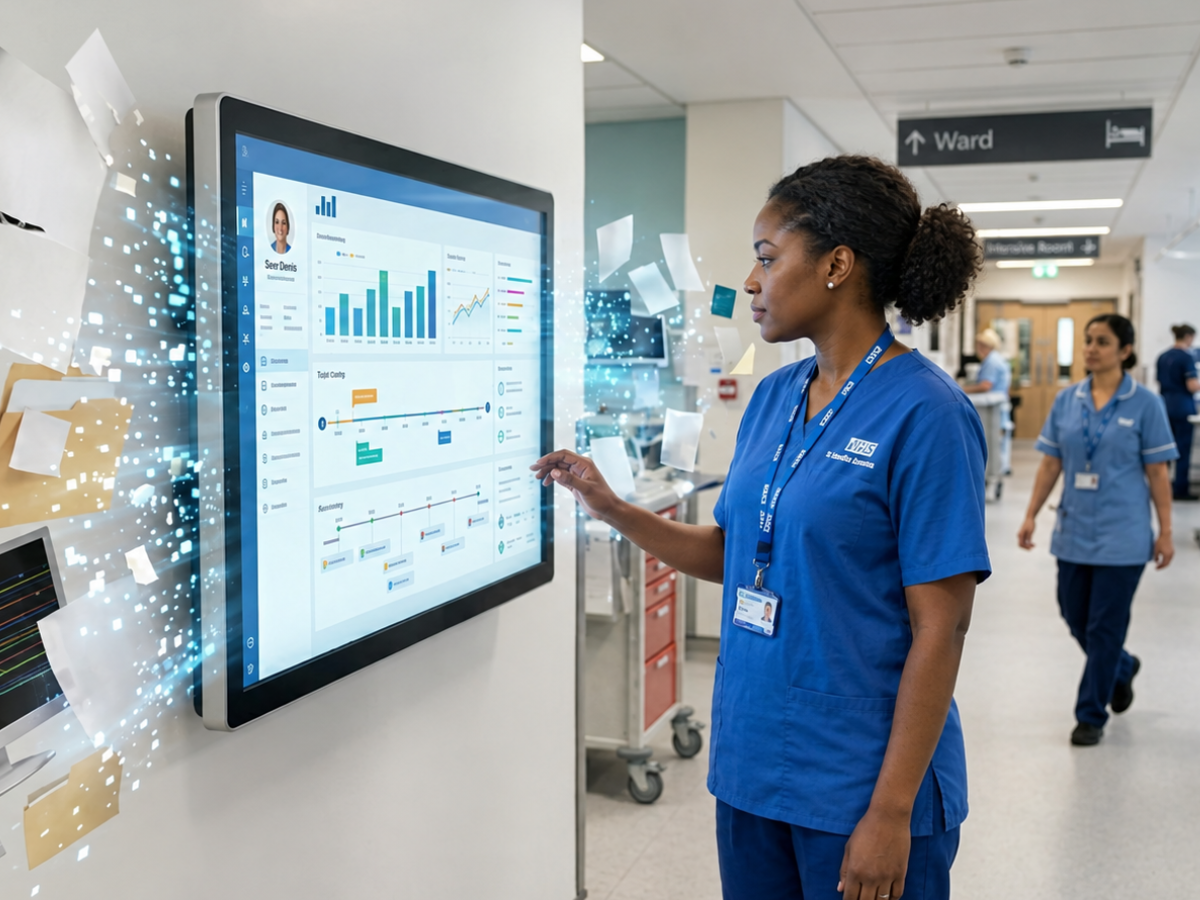
Texas A&M University is embracing a compassionate approach to artificial intelligence in healthcare, led by Dr. Mark Benden and his research team. They have developed a range of empathetic AI solutions designed to engage with patients and healthcare professionals, enhancing interactions at important moments in medical care.
The initial lineup of these AI assistants includes a medical receptionist that can communicate in over 100 languages, an assessment tool for identifying early symptoms of dementia, and a pediatric companion that provides comfort to children during stressful medical procedures. These innovative products have been licensed to a startup called Humanate, which continues to broaden the offerings.
Dr. Benden emphasizes that conversational AI has evolved significantly, capable of maintaining context, recalling relevant details, and providing timely responses. This human-like interaction is especially beneficial for individuals facing challenges such as language barriers or the anxiety that accompanies medical visits.
These pioneering applications highlight a future where AI can address persistent issues stemming from workforce shortages while ensuring patients have more meaningful interactions with their doctors, a breakthrough that contributed to Texas A&M receiving the Fast Company Innovation by Design 2026 award.
One standout development is "Oliver," a friendly, cartoon-style AI companion designed to support pediatric patients who often feel apprehensive. In many cases, parents cannot be present, so Oliver explains medical procedures in child-friendly language, demonstrates calming techniques, and remains with the child throughout their experience via tablet or display. The design focuses on warmth, clarity, and continuity, guiding children from the waiting room through recovery.
Benden notes that providing a consistent and friendly digital presence can alleviate anxiety, enhancing the child’s overall experience. Preliminary feedback suggests that maintaining a familiar and supportive voice helps keep procedures on track.
Another significant project involves a virtual interviewer developed for the early detection of dementia. This tool engages patients with structured questions while analyzing their facial expressions and other biometric data to create a nuanced "Digital Apathy Signature," helping to identify early signs of neurodegenerative conditions. This method aims to capture subtle behavioral changes that traditional checklists may overlook.
The team’s most sophisticated creation is an AI medical receptionist named "Cassie," also part of Humanate’s offerings. Cassie, displayed on a monitor or kiosk, assists patients with check-in, paperwork, and information requests. Unlike traditional kiosks, Cassie can interpret facial expressions and modify her tone and language accordingly, even integrating humor when appropriate.
Dr. Benden highlights that the goal is not to replace human staff but to create helpful partners that handle routine tasks, allowing healthcare professionals to concentrate on patient care. By improving the check-in process and offering multilingual support—including American Sign Language—Cassie aims to alleviate front desk congestion and enhance the patient experience.
Currently being piloted in Texas and Mississippi, the AI receptionist has already garnered positive feedback, particularly from older adults who have interacted with it, demonstrating a strong appeal across diverse age groups.
The development of these technologies comes at a time when healthcare systems are grappling with ongoing staffing shortages, making the need for efficient, supportive tools more pressing. Dr. Benden envisions these AI innovations as valuable support systems that streamline processes while ensuring secure and effective communication, escalating issues to human staff whenever necessary.
"The ultimate aim is to make these tools seamlessly integrate into healthcare settings," Benden states. "Patients should notice an improved experience, feeling heard and understood while spending more quality time with their clinicians." The design team is committed to refining these solutions based on real-world feedback, ensuring that technology truly enhances the human element of healthcare rather than detracting from it.