Lawmakers in Wisconsin are collaborating with specialists in artificial intelligence (AI) and healthcare to explore the technology's integration into the medical sector.
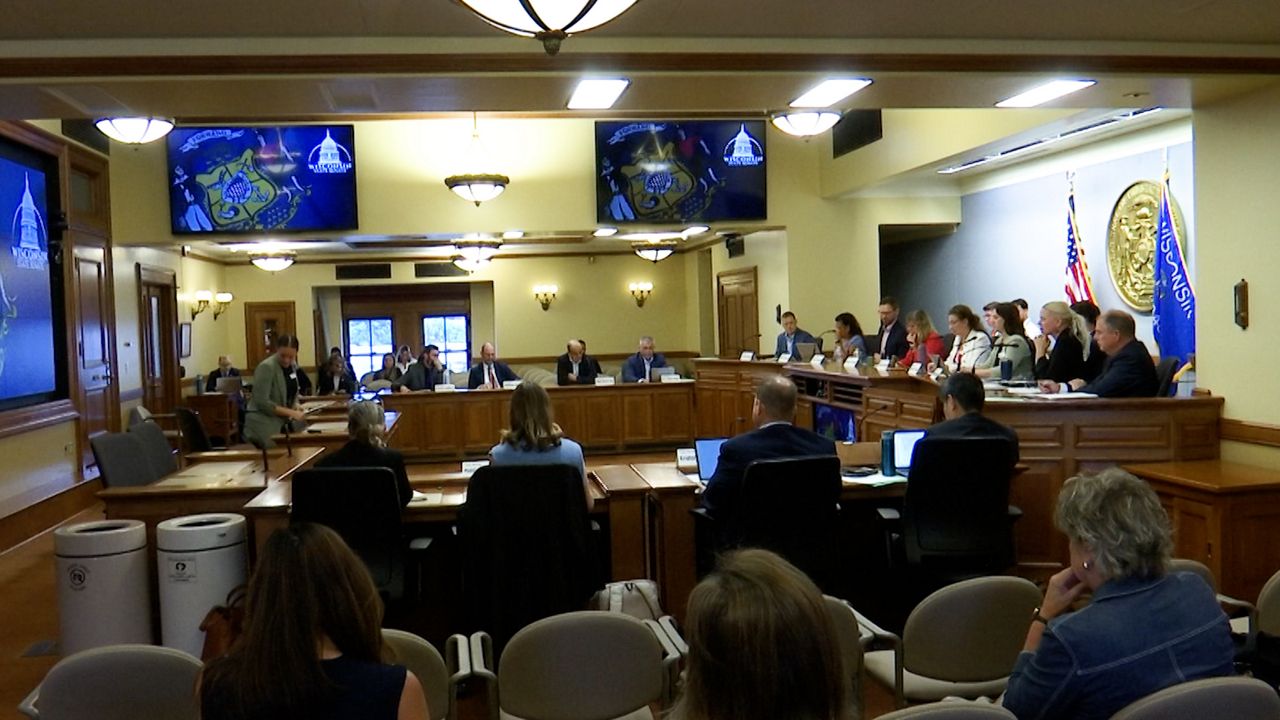
Recently, a legislative study committee held its first informational gathering at the State Capitol, focused on understanding how AI is utilized in relationships between patients and providers, as well as in interactions between patients and insurers.
The committee aims to gather insights that will inform future legislation aimed at setting standards for AI applications in healthcare and insurance services.
Samantha Scotti, representing the National Conference of State Legislatures, was the first expert to present her insights to the committee. She highlighted that her organization has been monitoring the increasing utilization of AI across various facets of healthcare, ranging from administrative roles such as appointment scheduling and claims processing to clinical functions like drafting post-visit notes and aiding in diagnoses.
With no federal regulations currently in place, Scotti emphasized the proactive role that state governments are taking to implement guidelines for this evolving technology. “Policymakers throughout the U.S. are focusing on safeguarding patient safety and privacy, ensuring transparency in AI applications, and determining the necessary level of oversight,” she noted. Impressively, this year alone has seen over 285 bills related to AI introduced across 44 states.
Wisconsin has yet to establish any legislation regarding AI in healthcare, prompting the formation of the study committee. State Representative Adam Neylon, a Republican from Pewaukee, expressed concerns about overly restrictive policies, stating, “I’ve seen a plethora of subpar proposals driven by fear. We need to consider how much bureaucracy we impose on healthcare providers and businesses.”
On the other hand, State Senator Sarah Keyeski, a Democrat from Lodi, pointed out the necessity for lawmakers to agree on a clear definition of AI before crafting any bills. “We need to address what AI really means, especially since the technology is continuously evolving,” she remarked.
Some citizen members of the committee echoed the sentiment that establishing a clear definition is crucial for formulating effective legislative measures. Phillip Blair, Vice President of Human Resources at Gamber-Johnson, noted the importance of a precise definition, stating, “AI is intricate and has existed longer than many recognize, making a solid definition vital for our initiatives."
David Hoffert, Director of AI Policy at Epic Systems Corporation, added, “It's essential to frame our discussions around the specific concerns that arise from AI so that our definition aligns with those worries.”
Chairing the committee, State Senator Rachael Cabral-Guevara from Fox Crossing announced that they plan to hold five additional meetings before introducing any legislative recommendations.