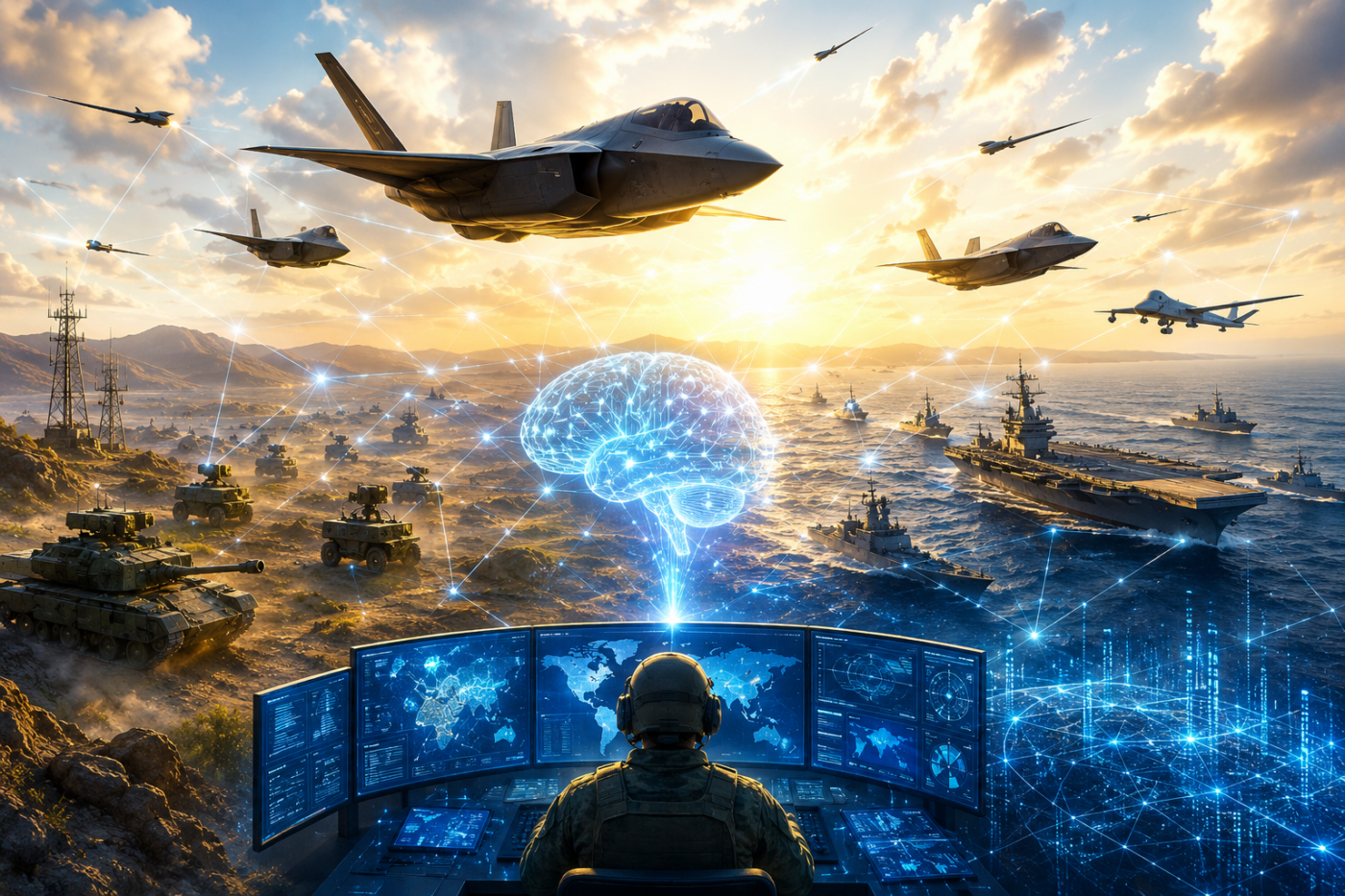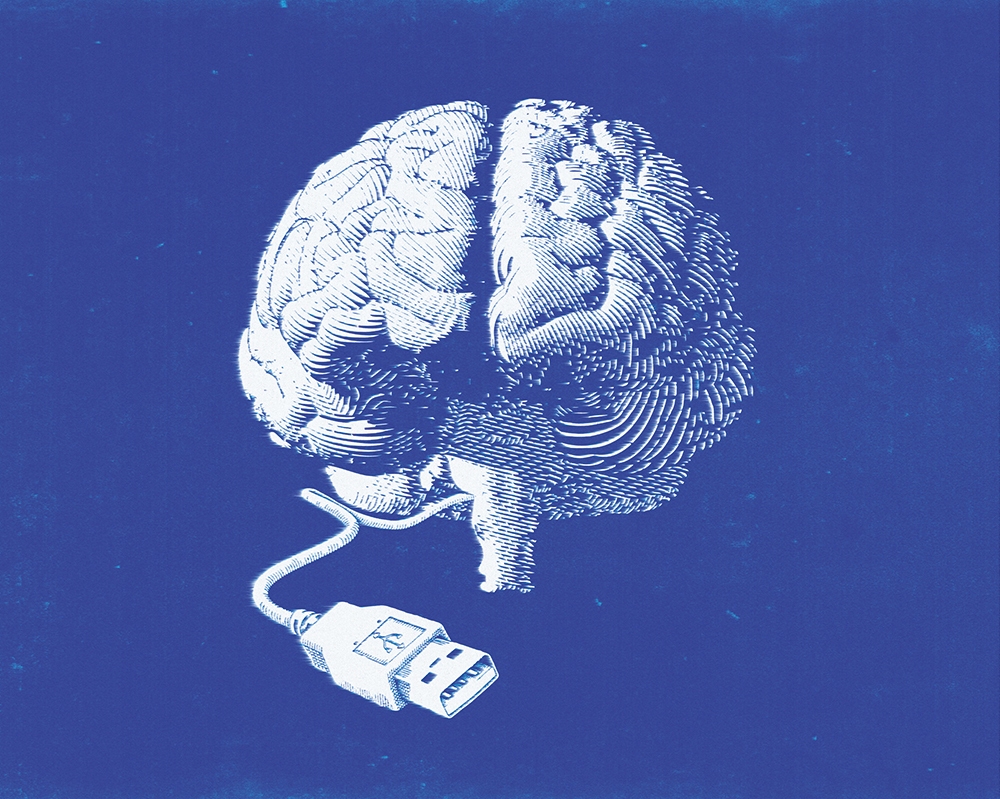
Conversations about the impending emergence of artificial general intelligence (AGI) are becoming ubiquitous, with the term often indicating the point when machines might replicate or outperform human cognitive abilities in all areas. Reactions to this potential development vary dramatically—some view it with anticipation, while others fear it. Regardless of perspective, there is a prevailing belief that technology will someday surpass human intellect in every measurable way. Personally, I believe this narrative can be summed up simply: AGI is overstated.
One significant issue is the absence of a universally accepted definition for AGI. The term has increasingly been used to imply that intelligence fits into a linear hierarchy, with existing AI systems beneath humans and future technologies destined to surpass them. However, intelligence is far more nuanced.
While we are entering an era characterized by remarkable advancements in machine intelligence capable of solving previously unsolvable problems, fostering scientific breakthroughs, revolutionizing industries, and offering insights into intricate systems, the notion that machines will eclipse human capabilities in every important facet stems from a limited understanding of what intelligence truly is and a narrow view of our own capacities.
The debate over the timeline for AGI often diverts our focus from the pressing challenges we currently face. Human intelligence is the culmination of nearly four billion years of evolution, shaped by the intricate interplay of our bodies, senses, environments, relationships, cultures, and experiences. Our cognitive repertoire allows us to perform a multitude of tasks—such as recognizing faces, sensing danger, creating art, and building relationships—often without the ability to articulate how we achieve these feats.
In contrast, our most advanced AI systems rely heavily on data derived from human-produced text, images, sounds, and other digital artifacts. While these datasets are incredibly rich, they fail to capture the full spectrum of human experience and complexity.
Nature provides humbling examples of varying intelligences across species. For instance, dogs perceive a scent-driven world while migratory birds possess navigation skills beyond human capability. Dolphins and octopuses inhabit sensory environments that are fundamentally different from ours, showcasing intelligence shaped by diverse biological and environmental contexts.
This multitude of intelligence forms explains the erratic progression of AI. While these systems excel at discrete tasks like math, coding, and pattern recognition, they often struggle with many tasks that humans find simple. As technology evolves, new challenges will emerge alongside improved capabilities, giving rise to unique human strengths that remain distinct from machine performance.
Future AI systems may integrate physical bodies, sensors, and long-term memory, leading to richer interactions with the environment. However, this does not mean they will replicate four billion years of biological evolution. Instead, machines may evolve to possess different combinations of abilities—some far beyond our own, but others significantly dissimilar. This evolving intelligence landscape should not lead to complacency; machines don’t need to surpass all human skills to wield considerable influence.
Reflection on evolutionary success reveals that humanity did not claim dominance because we excelled at every task. We cannot outrun animals like cheetahs, out-lift gorillas, or out-navigate migratory birds. Rather, our strength lies in a unique blend of attributes: language, social coordination, cumulative culture, innovation, and the ability to transfer knowledge across generations.
Predicting AI’s trajectory should mirror this evolutionary perspective. We might envision machines that remain notably inferior to us in various life experiences but become exceptionally skilled at analyzing vast datasets, writing software, optimizing processes, and advancing scientific discovery. Such machines need not possess consciousness, love, or human-like biological traits to significantly impact the world; they merely need to excel in critical areas to make a transformative difference.
This is why discussions about the specific timing of AGI are distracting from more immediate concerns. The focus should shift to understanding the implications of increasingly capable machines on our economies, societies, security, health, and governance.
Intelligence and capability are not synonymous. A system doesn’t require generalized intelligence equivalent to human cognition to exert substantial power. Factors such as speed, autonomy, connectivity, and capacity to act on a scale unimaginable for humans can convert specialized capabilities into transformative forces. For example, technology equipped to operate at machine speed can execute extensive tasks, such as conducting experiments or automating financial decisions, which may have broad repercussions even without achieving AGI.
Historically, societies have successfully navigated profound transitions, albeit slowly. Twelve millennia ago, humanity lived strictly as hunter-gatherers, but agriculture enabled specialization and the rise of civilizations. Similarly, industrialization diminished the need for human labor in farming while creating new categories of work. Our ancestors could not have anticipated today’s technology-driven realities, but those advancements are now integral to our society.
As we undergo this transformation, it is important to channel our efforts wisely. We must not attempt to preserve every existing job but seek to create conditions where machines take on tasks they perform well, allowing humans to engage in their unique skills. Just as prior generations adapted to changes in technology, we too must embrace new roles that emerge as machines evolve.
This shift will alter not only labor dynamics but also the distribution of power and wealth. Machines don’t need AGI to significantly disrupt the job market or impact the value of labor versus capital. A critical concern of the AI revolution might not be machines surpassing humans but the monopolization of advanced technology and its benefits by a select few. Thus, discussions about equity, access, and opportunity must be central as we manage this pivotal transition.
In order to enhance our chances for a positive outcome, we urgently need improved governance mechanisms that evolve alongside technology. This includes rigorous safety testing for powerful systems before they are deployed, definitive accountability for when AI causes harm, and enhanced transparency about emerging risks. The establishment of international standards is crucial to address challenges that transcend borders, such as AI-enabled biological threats and cyber threats.
Investing in education is also vital. Preparing individuals for an AI-driven future cannot solely involve equipping them for tasks that machines cannot do. Instead, we should foster skills such as empathy, creativity, critical thinking, and moral judgment. These capabilities will become even more essential as technology advances, focusing on enhancing our uniquely human traits while creating technologies that support our best qualities.
Ultimately, the trajectory of the future will not solely belong to machines nor to humans but to a collaboration of both, guided by the values we choose to instill in this relationship. Intelligence may aid us in achieving objectives, but true wisdom lies in discerning which objectives truly matter. As we navigate the powerful emergence of smarter machines, we must prioritize thoughtful choices that shape a future grounded in shared human and technological progress.