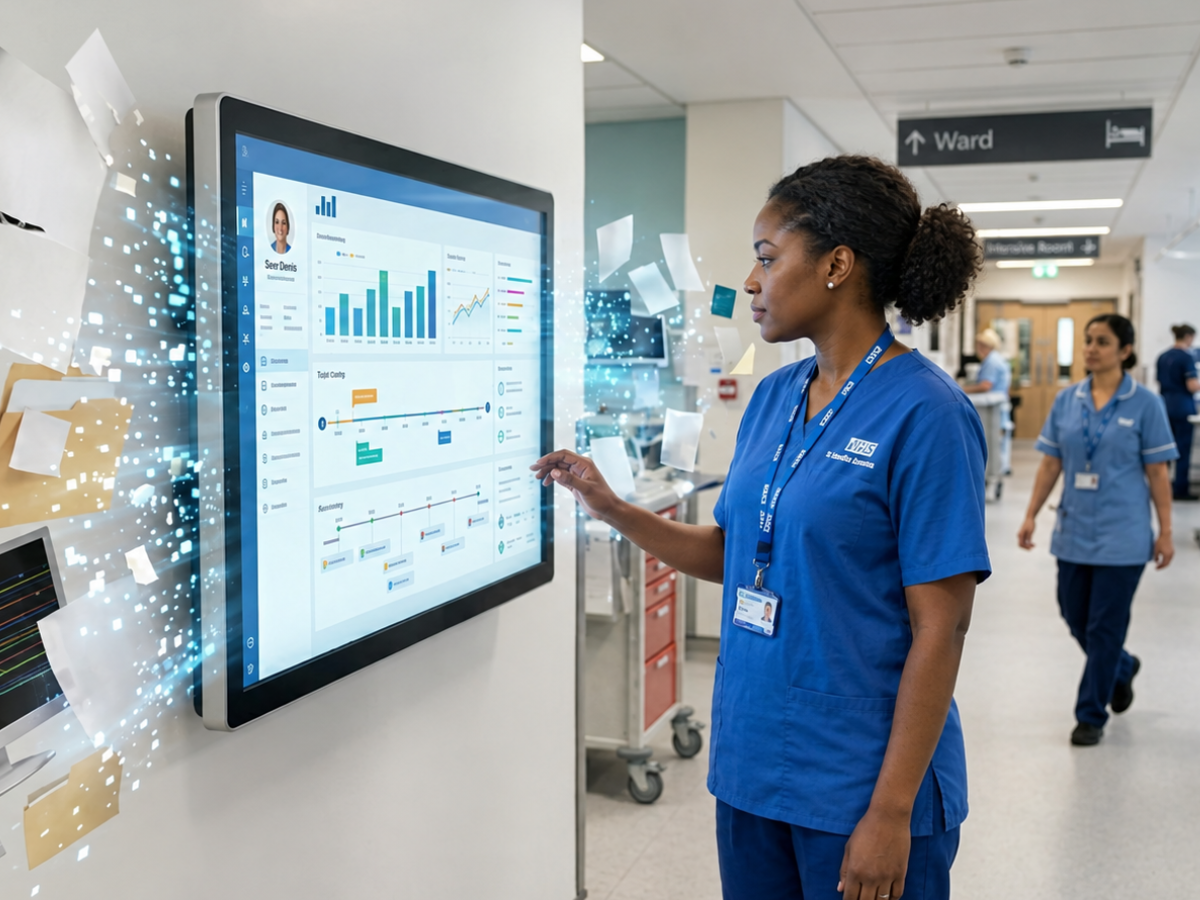
The excitement surrounding AI’s potential is undeniable, but establishing a robust digital health infrastructure is essential for success. Dr. Ed Hutchison, a Clinical Solutions Specialist at Altera Digital Health, elaborates on this important topic.
AI has become an omnipresent force in our lives, with advertisements touting its revolutionary capabilities in everything from kitchen appliances to travel planning. The notion of AI is now pervasive across various sectors; even brands like Allbirds have entirely revamped their business models to embrace AI technology.
Healthcare has not escaped this trend. Countless promotional messages claim that AI innovations can transform organizations into paragons of digital health. However, through my work in the field, I often witness that the actual situation is far more nuanced.
So, how do we navigate this evolving landscape?
A crucial step is to engage with healthcare providers themselves. By consulting those who are at the forefront of patient care, we uncover their challenges and identify the specific areas that need improvement. They offer insights into the critical steps in their workflows and highlight what is necessary for enhancing patient outcomes.
Despite the many skeptical voices, the enthusiasm for AI is justified, and we are beginning to see genuine advantages. Nonetheless, it’s important to step back and define clear objectives for AI implementation instead of hastily rushing into adoption without a vision.
Moreover, we cannot forget the foundational elements of digital health, such as user-friendly hardware and highly interoperable electronic patient record (EPR) systems. No AI solution will fix a malfunctioning mouse or eradicate paper records overnight. We must ensure we have the basics in place before layering on advanced technologies.
That said, the prospect of AI is exciting, and as we solidify the groundwork, it’s perfectly reasonable to begin exploring its potential advantages.
One compelling application of AI is Ambient Voice Technology (AVT). A striking statistic reveals that resident doctors dedicate approximately 80% of their time to administrative tasks and documentation, leaving scant time for patient interaction. The idea that clinicians’ notes could be generated automatically during conversations is undoubtedly appealing—provided that such solutions don’t introduce new obstacles. Questions about accuracy, sensitivity to conversational nuances, seamless integration with existing EPR systems, and automatic updates to patient records must be addressed to ensure viability.
There are also AI applications designed to generate patient summaries or remind users within the EPR about necessary actions that may have been overlooked. The chaos of a clinical shift can be overwhelming, and any assistance in managing the myriad of tasks is invaluable.
What I want from AI is a tool that integrates smoothly into current EPRs and workflows—summarizing essential details, suggesting pre-configured request forms, and automatically guiding care pathways. Rather than attempting to transform my professional experience, I’d prefer a solution that helps me navigate the complexities of my role more effectively, ultimately freeing up time for patient care. Engaging with users, observing their workflows, and then creating tailored solutions is the way forward.