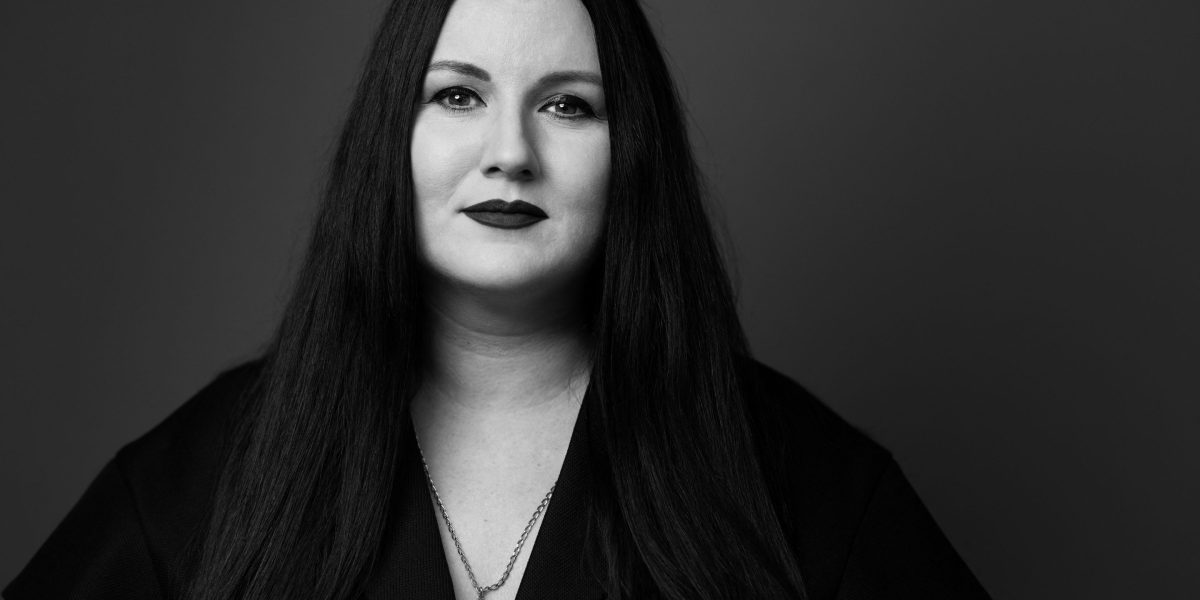
Fidji Simo's recent decision to step down from her prominent position within OpenAI’s leadership team, following a lengthy struggle with her chronic illness—Postural Orthostatic Tachycardia Syndrome (POTS)—struck a personal chord for many, including myself. Witnessing a family member deal with this debilitating condition has been heartbreaking, and Simo’s announcement, coupled with her commitment to harnessing AI in the search for cures, raises questions about the potential of technology in addressing health challenges.
I reached out to Simo to inquire about the real prospects for individuals like my cousin considering the promises of AI. I commended her bravery for sharing her health struggles as a figure in the public eye, a feat not easily undertaken. Simo, who previously spent a decade at Meta and led Instacart as CEO before joining OpenAI, shared her ambition. “Yes, I founded a company, ChronicleBio, aimed specifically at tackling this problem,” she replied.
In our first conversation since her departure from her role as CEO of AGI deployment at OpenAI, Simo discussed her focus on recovery and the array of medical appointments ahead. She’s simultaneously dedicated to expanding ChronicleBio and advising OpenAI’s leadership, maintaining communication with cofounders like Sam Altman and Greg Brockman, who have taken on her responsibilities at OpenAI.
Brockman's personal connection to POTS, through his wife, speaks to the motivation behind ChronicleBio, whose cofounders also share experiences with chronic illnesses. Simo candidly described her current physical condition as the worst she has ever faced. POTS, which results in symptoms such as dizziness, fatigue, and brain fog, stems from an imbalance within the autonomic nervous system.
Simo emphasized the rising prevalence of chronic illnesses, indicating serious economic implications tied to lost productivity and underscoring the urgency of developing targeted treatments for these conditions. In its inaugural year, ChronicleBio has conducted blood draws from nearly 710 patients across several states and countries, amassing over 3,500 blood samples for its biobank. The data extracted is substantial, totaling 153 terabytes—three times the data used to train OpenAI's GPT-3.5.
One of ChronicleBio’s promising initiatives is launching home blood draws. On August 11, they will introduce mobile phlebotomy services for patients with certain chronic conditions. The first 250 participants will receive comprehensive reports on their health at no charge in exchange for providing their biological data to the company.
The aim is to deepen the understanding of chronic diseases and enhance the effectiveness of drug trials—something Simo claims would be challenging without AI technology.
During our conversation, she explained how ChronicleBio intends to address a significant issue in clinical trials: the failure to identify specific patient subgroups for effective drug treatment. By categorizing patients based on differing biological responses rather than just symptoms, ChronicleBio seeks to ensure that clinical trials are more successful.
Currently, Simo’s team has identified five distinct sub-diseases within POTS. By understanding the biological differences, they hope to map these sub-diseases to existing drugs, with plans to commence testing before the end of the year. Their ambition is to collaborate with biotech firms to create tailored therapeutics for various patient segments.
Simo elaborated on how current medical nomenclature often fails to describe the underlying biological differences that drive conditions like POTS. This gap hampers the development of effective treatments.
Reflecting on her medical journey gives Simo a sense of purpose, as she highlighted the stark disparity between the severe impact of chronic diseases like chronic fatigue syndrome and the inadequate funding dedicated to research. Notably, the condition affects a demographic often overlooked in funding allocations, particularly because it predominantly impacts women and can be debilitating yet non-fatal.
As our discussion progressed, Simo related the experience of severe chronic illness to her own challenges during pregnancy, noting that it can be a relentless struggle to maintain quality of life. She lamented the current state of disdain for the suffering of patients, advocating for a shift in perspective as society makes strides in other technological fields.
When discussing the potential of AI in dealing with complex and multifaceted diseases, Simo spoke about how AI tools enable researchers to analyze massive datasets, which were previously difficult to navigate. The advancements in cost-effective genetic analysis further enhance the ability to unlock solutions for these conditions.
ChronicleBio utilizes AI models from both OpenAI and Anthropic, maximizing available resources to advance their research efforts. Simo emphasized the critical need for authentic biological data, stating that current medical records often lack the depth required to understand biological complexities comprehensively.
ChronicleBio aims to broaden its testing initiative across the U.S. with mobile phlebotomy services, ensuring that even those unable to easily access care—the most severely affected patients—can contribute valuable biological data. Participants will receive findings to inform their potential treatment paths, fostering engagement in their healthcare journey.
The service launches shortly, allowing patients to sign up for mobile blood collection, with data analysis followed by comprehensive reporting. This initiative distinguishes itself from existing mail-in blood tests by focusing on advanced research specifically tailored for chronic conditions.
Initially, the first 250 participants will receive this service at no charge, with subsequent participants being billed at cost. The overarching mission remains centered on data collection, with an unwavering commitment to find solutions rather than generate profit.
Simo's excitement for her new path and unchanged dedication to leveraging AI for health transformation exemplifies her vision. She expressed, “I believe that achieving everything AI can offer without addressing diseases would be a missed opportunity.” The hope is that these innovations will lead to timely, lifesaving treatments, fulfilling the true promise of AI technology.