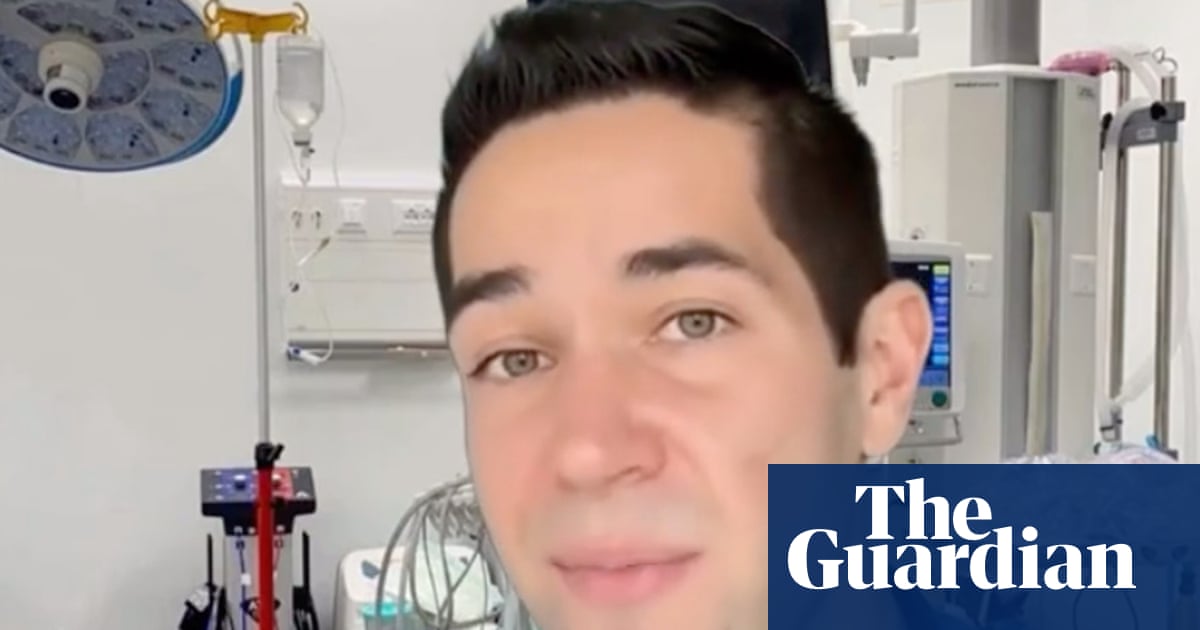
Experts are sounding the alarm regarding misleading health information spreading online, highlighting the significant risks it poses to public safety. Recent studies indicate that AI-generated medical personas are amassing millions of views on TikTok while disseminating questionable health advice.
Dr. Emma Runswick, deputy chair of the British Medical Association council, emphasized the dangers associated with AI accounts that circulate medical misinformation and promote dubious "miracle cures." She urged TikTok and similar platforms to take stronger action against the proliferation of harmful medical advice, warning that the consequences could endanger public health and even lives.
Research reveals that these AI-generated accounts have propagated unfounded cancer myths, such as claims that microwaving food in plastic, using deodorants, and sleeping next to a phone could lead to cancer—assertions that organizations like Cancer Research UK have thoroughly debunked.
This month, Hallam, a digital marketing firm, released findings that show AI-generated content constitutes about 40% of the most popular health-related videos on TikTok. A worrying trend is the increase in deepfake influencer accounts designed to mimic real medical professionals, with a staggering 84% of videos classified as AI-generated or assisted for popular search terms like “health tips.”
Hallam's study revealed that leading AI-generated health videos garnered an average of 2.5 million views. Following complaints from the Guardian, TikTok removed some of these questionable videos from its platform. Additionally, these accounts promoted outlandish health remedies, such as a mixture of Coca-Cola and onion to relieve pain and a fictitious product called "Hyalethinap Plus Pro Max" touted as an anti-aging solution.
One of these AI-generated avatars claimed to have recommended "Hyalethinap Plus Pro Max" to countless patients, stating it could alleviate "hair loss, skin weakening, brittle nails, and joint pain" by enhancing the body's production of “anti-aging molecules.” However, the Guardian found no evidence supporting the existence of the "Hyalethinap Plus Pro Max" product online.
In light of these findings, Prof. Frankie Swords, NHS England's national medical director, expressed concern over the rise of online misinformation. She noted that numerous healthcare professionals report seeing increasing instances of patients feeling anxious and confused due to misleading advice crafted purely for clicks.
Prof. Victoria Tzortziou Brown, president of the Royal College of GPs, echoed these sentiments, stating that misleading AI content poses a “real risk” of harm.
Hallam reviewed a total of 1,198 videos by selecting the top 50 across various health-related search terms, also assessing the impact of advice on broader issues like personal finance and education.
Alex Ruani, a health misinformation researcher at UCL, remarked on the "frightening amount of exposure to fake medical content" represented by the surge of AI-generated doctor videos, warning of the "industrialized exploitation of trust."
A survey from Savanta, conducted on behalf of Healthwatch England, revealed that approximately one in five individuals are seeking health information via social media. William Pett, interim director at Healthwatch England, voiced concerns about the public's ability to differentiate trustworthy information from hype or misinformation, which can severely impact their health.
In response to the study, a TikTok representative stated that the marketing agency's findings do not accurately portray their platform. The spokesperson asserted that TikTok actively removes harmful health misinformation, including AI-generated content, and collaborates with organizations like the World Health Organization and NHS to provide reliable health information within the app. They also highlighted ongoing investments in AI literacy initiatives and labeling technologies.


