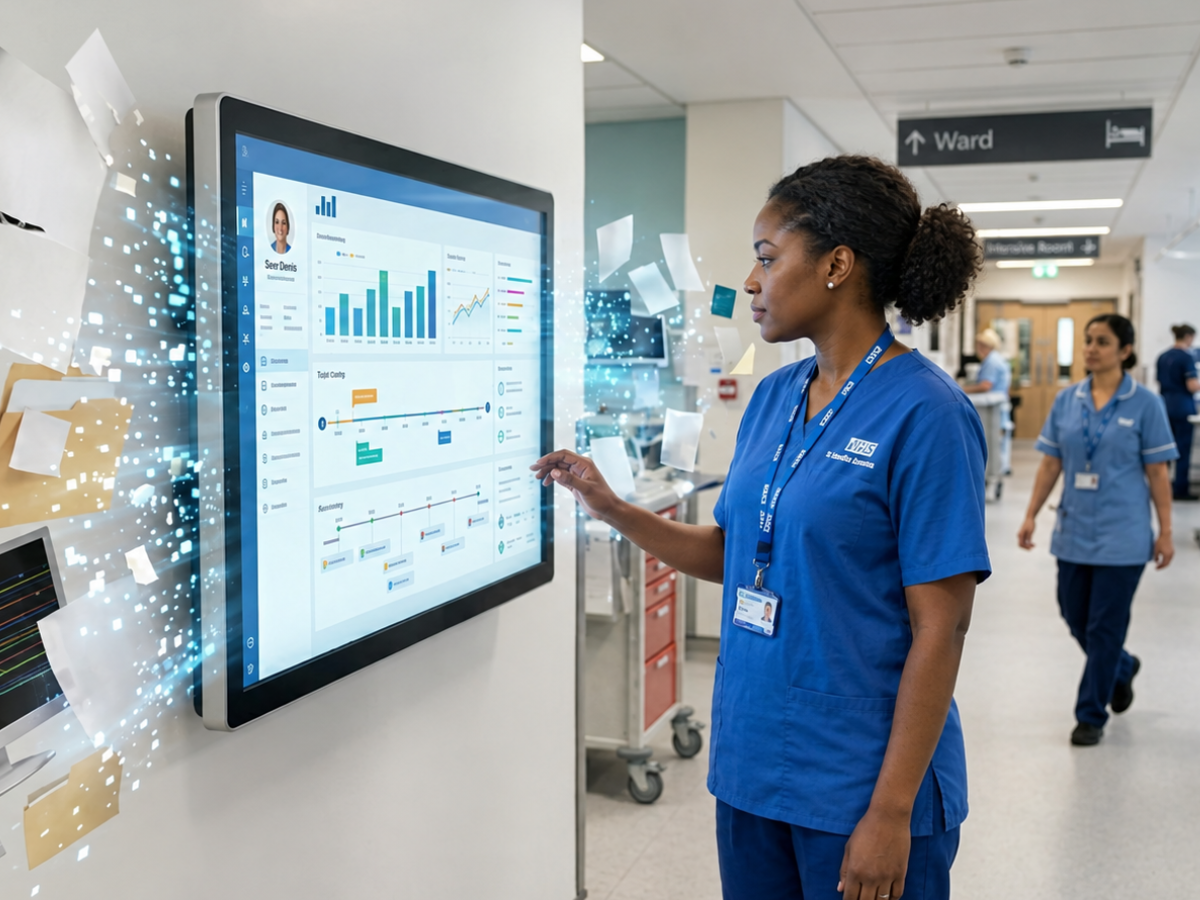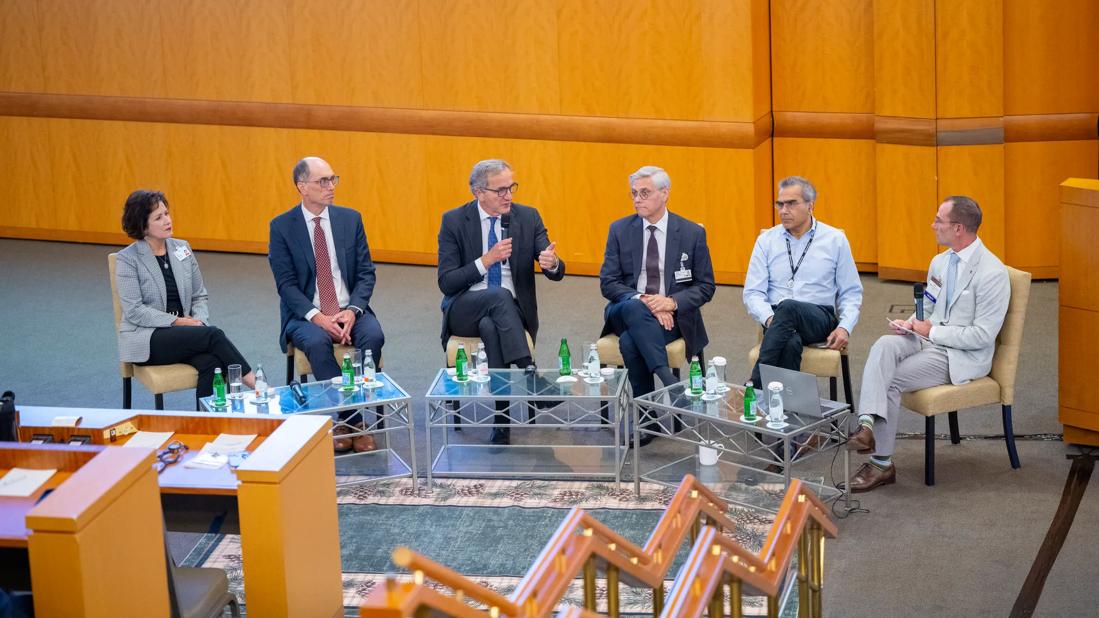
Cleveland Clinic hosted an AI Summit today, uniting healthcare experts from both local and national arenas to delve into the growing impact of artificial intelligence in various aspects of healthcare, including clinical practice, patient care, education, and research.
Collaborating with the College of Healthcare Information Management Executives (CHIME), the summit featured prominent leaders from Cleveland Clinic alongside distinguished specialists who discussed how AI is revolutionizing healthcare in numerous settings such as inpatient care, outpatient services, critical care, surgical procedures, nursing, pharmacy, and medical training. The event attracted over 900 participants, both in-person and online, at the InterContinental Hotel.
The keynote address was delivered by Dr. Peter Clardy, the director of the Clinical Enterprise Team at Google Health, who engaged in a conversation with Dr. Jame Abraham, the chairman of the Department of Hematology & Medical Oncology at Cleveland Clinic and a key organizer of the summit.
During the summit, speakers highlighted the potential of AI technologies in enhancing diagnostics, predictive analytics, and tailored treatment plans, while also elevating patient-centric care through advancements like virtual health assistants, chatbots, and AI-enhanced monitoring systems. Discussions also covered the ethical and regulatory dimensions of AI integration, emphasizing the importance of mitigating bias and promoting responsible usage.
“Artificial intelligence holds the capacity to transform patient care, shape the education of future healthcare providers, and propel research initiatives forward,” stated Dr. Abraham. “This summit provided a valuable platform for healthcare professionals to exchange knowledge, reflect on both the opportunities and hurdles presented by AI, and consider how these innovations can be applied thoughtfully to enhance patient outcomes and experiences.”
The summit catered to a diverse audience of clinicians, physicians, advanced practice providers, nurses, administrators, trainees, and other healthcare professionals looking to gain actionable insights into the evolving role of AI in medicine.