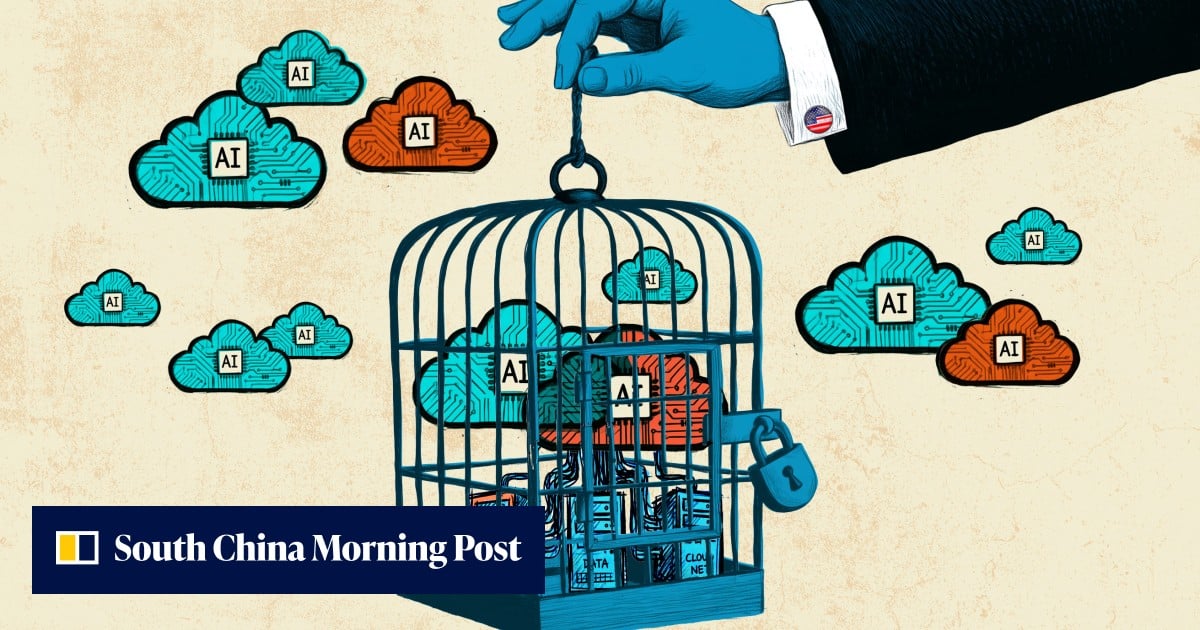
Entering the job market has become increasingly challenging for young individuals. Historically, obtaining a university degree was associated with securing a reliable career. However, the rise of artificial intelligence (AI) is now reshaping entry-level positions across numerous industries, leading to the displacement of aspiring accountants, software developers, and junior lawyers due to affordable automation solutions.
Creative professions are also feeling the impact of AI, which can generate artwork, write extensive texts, or create intricate design plans almost instantaneously. In response to these disruptions, many young people are opting for careers in traditional craftsmanship—those age-old, hands-on trades such as boatbuilding, metalworking, and bookbinding. These roles demand specialized skills rooted in creativity and manual dexterity—qualities that AI has yet to master.
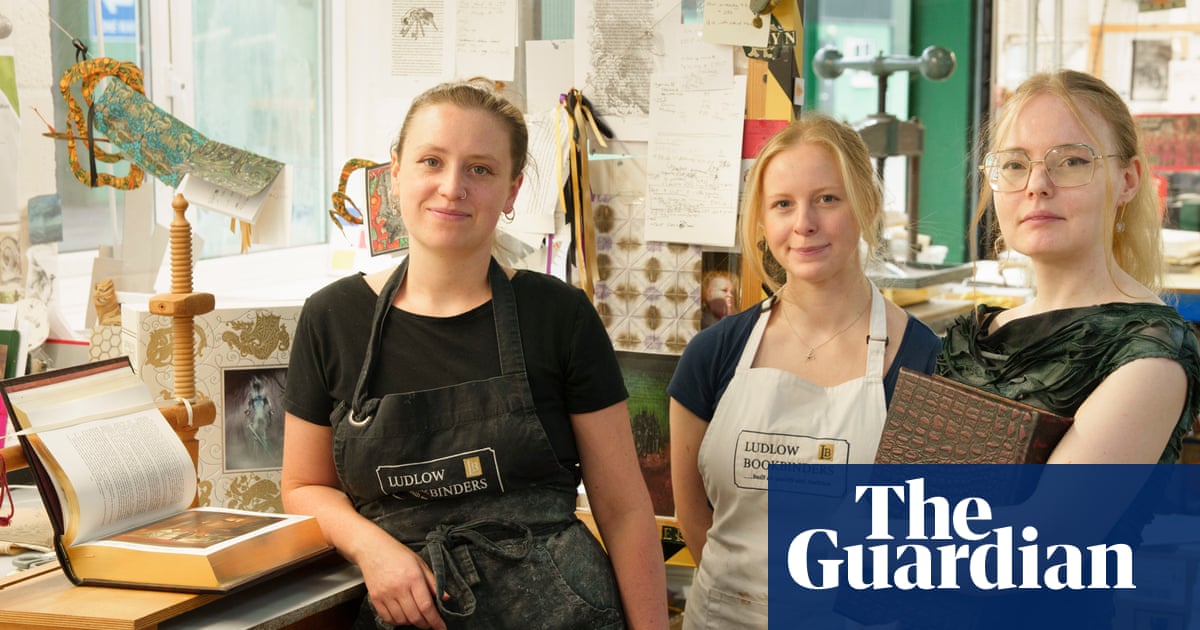
Eryn Lawley, a 27-year-old graduate with a degree in politics, decided that securing her career meant stepping away from the digital realm. Currently, she is in her second year of an apprenticeship in bookbinding at Ludlow Bookbinders in Shropshire, learning techniques that have remained unchanged for generations. "Staring at a screen too long affected me negatively," she reflected. "I always wanted to engage in something tangible, and there's undeniable value in items crafted by a person."
The atmosphere at Ludlow is deliberate and detail-oriented. The bookbinding is predominantly done by hand, employing vintage presses, foil-blocking apparatus, and glue brushes. “People are realizing that when everything is sorted out by computers or algorithms, having the ability to create something physical is rewarding," Lawley observed. "Achieving perfection through repetition is fulfilling and meditative, leading to reduced stress levels."
Paul Kidson, the CEO of Ludlow and a fourth-generation bookbinder, noted that the growing interest from the younger generation could potentially rejuvenate a dwindling industry. He estimates there are currently fewer than 50 craftsmen in the UK still practicing traditional bookbinding. "British bookbinding is renowned globally, but the training programs began to fade in the mid-20th century,” Kidson explained. "With the collapse of formal apprenticeship schemes in the early 1980s, we began losing a generation of craftsmen."
There’s an increasing demand in the marketplace. Luxury publishers are betting that consumers value items crafted by human artisans. Joanna Reynolds, CEO of the Folio Society, which collaborated with Ludlow on a limited edition "Game of Thrones" book, emphasized their rejection of generative AI in their creative processes, stating, "We believe in supporting the creative community, which is under immense pressure right now."
The pool of young talent eager to take on these creative roles is expanding rapidly. Cox London, a design firm focused on artistic metalwork, launched its apprenticeship program last year and received over 160 applications for just two available positions this year. Co-founder Nicola Cox remarked, "There’s a desire to create and engage intimately with materials. Art that is physically crafted by hand exudes a distinct authenticity that resonates with people."
For Lucky Emerson, a Cox London apprentice, the rise of AI in the creative sector raises concerns. "The experience of making things by hand is unmatched, especially when originality is so highly sought after. Despite advancements in technology, handcrafted artistry retains greater value and will continue to do so."
Similarly, Nazifa Tabassum, another apprentice at Cox London, expressed that while AI may alter her work, it cannot replace the essence of craftsmanship. "Developing my skills while using technology to enhance my work is important. I see AI as a tool that contributes but doesn’t substitute the fulfillment derived from skilled manual work."
At the National Theatre in London, technical apprenticeships encompass areas from IT to traditional crafts like wig-making, costume design, prop-making, and metalworking. Kath Geraghty, who oversees technical qualifications, notes that their programs aim to foster a more diverse workforce and address a growing skills deficit in these traditional crafts, many of which are at risk of vanishing.
Sarah Ray-Dobson, a 27-year-old apprentice prop-maker at the National Theatre, shared her viewpoint that her hands-on work has remained largely unaffected by AI developments. "Everything I do is practical, and to date, AI hasn’t disrupted my level of work."
However, Geraghty highlighted a challenge common among employers: an overwhelming number of AI-generated applications for apprenticeship programs. "We thought receiving 100 applications indicated popularity, but most recently we had 728 applicants for a single role. Managing this influx is tricky, as it’s impractical for our staff to thoroughly review so many applications. The current job market is tough, prompting young people to apply for any opportunity they can find."