A London-based journalist at The Verge, who specializes in AI coverage and is also a Senior Tarbell Fellow, has previously reported on health, science, and technology for Forbes.
Posts from this author will be incorporated into your daily email updates and appear in your homepage feed.
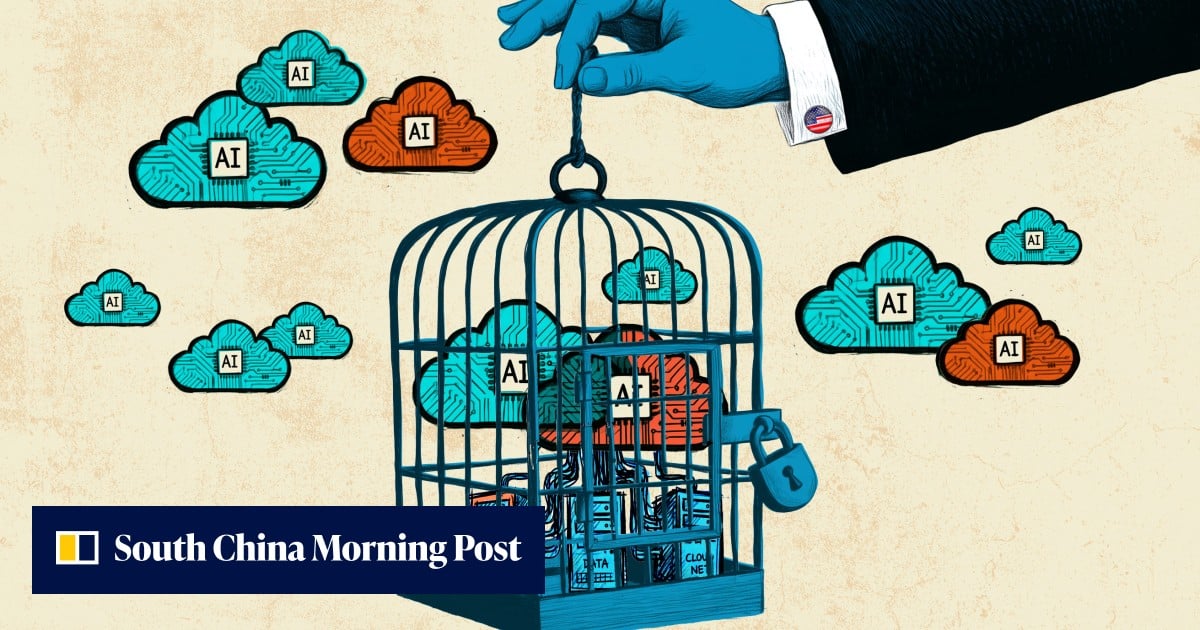
According to recent reports, Apple has collaborated with the Chinese tech behemoth Alibaba to create a tailored AI model specifically for the Chinese market. This unique partnership comes amidst rising tensions between the United States and China.
The development of this large language model, focusing on the Chinese audience, involved support from Alibaba and was confirmed by three anonymous sources familiar with the project's details, as reported by Reuters.
Creating its own custom AI model represents a significant shift for Apple, allowing the company greater control over its offerings in the highly competitive Chinese smartphone sector. Typically, Apple has relied on local Chinese AI solutions for its generative AI features in devices sold within the country, since US-developed models, such as OpenAI’s ChatGPT, are not available there.
This initiative comes as Apple prepares to launch Apple Intelligence in China, with sources indicating that the release is expected in the near future, following an update to its iOS operating system. Just last month, Apple registered this on-device generative AI service with China’s cyberspace regulatory authority, successfully navigating a crucial regulatory barrier for its rollout.
The new AI model gives Apple a strategic advantage in China, enabling it to comply with the country's intricate regulatory environment, especially given the rising concerns over AI development. In China, AI models must receive government approval before they can be made public, making this development particularly notable. If successful, Apple would become the first US firm to introduce a proprietary AI model in the Chinese market, according to Reuters.
Apple has yet to respond to requests for comments from The Verge.