A federal appeals court has highlighted the challenges of adapting legal definitions to the swift advancements in technology, particularly regarding the possession of AI-generated child sexual abuse material (CSAM). In its ruling, the Seventh Circuit was compelled to follow a precedent set by the Supreme Court nearly 25 years ago, which deemed restrictions on the possession of sexually explicit fictional material permissible only when it did not involve actual children. This ruling underscores a growing disconnect between existing legal frameworks and the evolving capabilities of artificial intelligence.
The court's decision came during the case of Steven Anderegg, who faced charges related to the creation and distribution of AI-generated explicit images of minors—a case that involves hundreds of such images found on devices taken from his home in Wisconsin. While three charges against Anderegg remain, including producing and distributing this material, the court dismissed the possession charge based on First Amendment protections.
The Justice Department sought to overturn the lower court's ruling, arguing for the right to regulate even virtual CSAM devoid of real child involvement. Nevertheless, the Seventh Circuit rejected this appeal, upholding the lower court's decision. While it is generally illegal to possess obscene material in private, the distinction regarding CSAM emphasizes the exploitation of children, an issue the Supreme Court addressed in its 2002 ruling. The justices evaluated the government’s interest in protecting children, concluding that this concern did not apply to materials created without the involvement of real minors.
Hans von Spakovsky, a senior fellow with Advancing American Freedom, commented that the court was constrained by previous Supreme Court rulings but agreed with the judges' warning that the rapid evolution of AI technology may necessitate a reconsideration of established legal principles. He pointed out that AI-generated images could be nearly identical to real ones and might even be created using actual CSAM as a basis, raising ethical and legal dilemmas.
The Supreme Court previously ruled that modifications of real children's images into explicit poses violated regulations on CSAM, reinforcing the need to protect real children from exploitation. However, with AI-generated materials becoming increasingly realistic, law enforcement's ability to distinguish between artificial and real images becomes more complicated.
Judges Lee and Kolar also expressed concern over the inclusion of actual CSAM in datasets used for training image-generating AI, suggesting a potential link between this technology and the exploitation of children. They noted that this specific issue had not been addressed in the current case and that the court lacked sufficient evidence to delve into it.
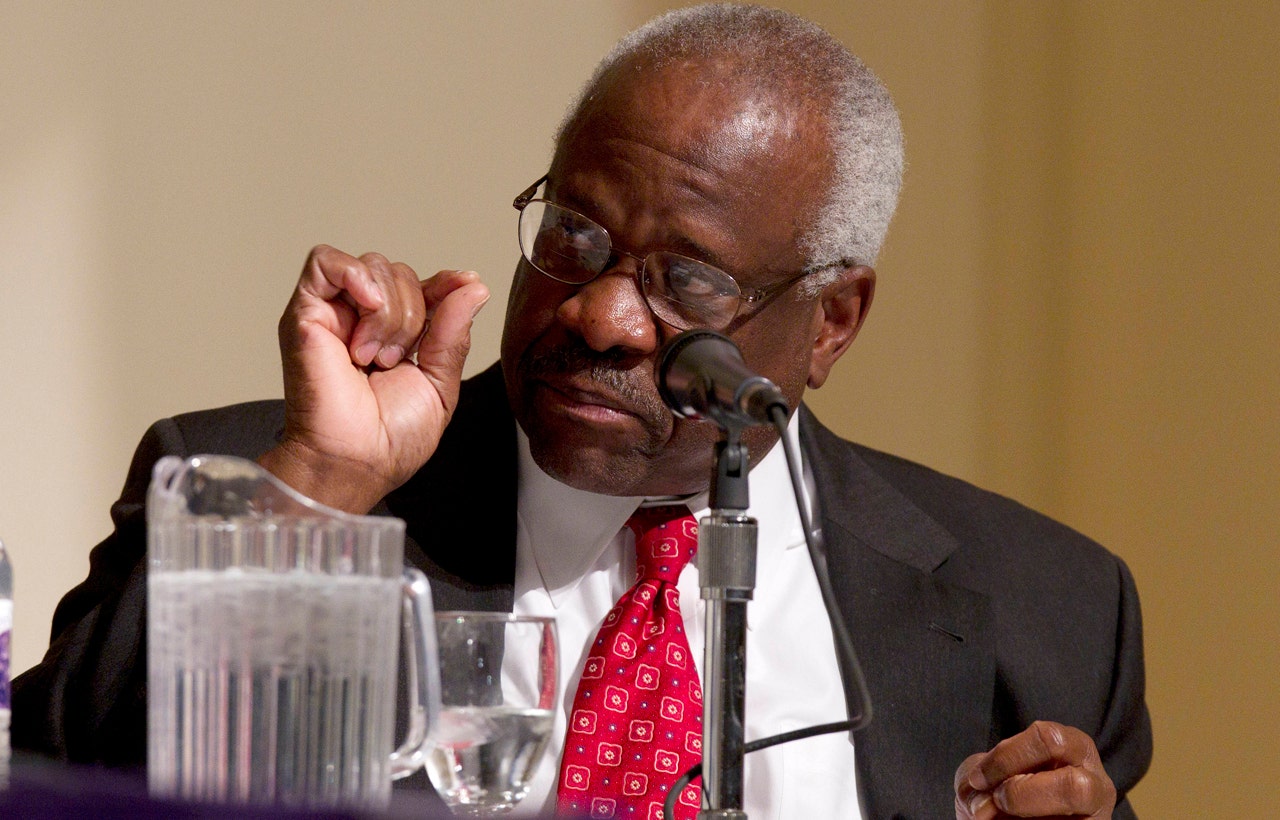
Justice Clarence Thomas had foreseen such complications, warning that advancements in technology could blur the lines between lawful and unlawful speech related to child sexual abuse representations. In a 2002 ruling, he indicated that if technological developments hinder the prosecution of unlawful representations, the government might have a significant interest in regulating a narrow subset of lawful speech to uphold laws protecting real victims.