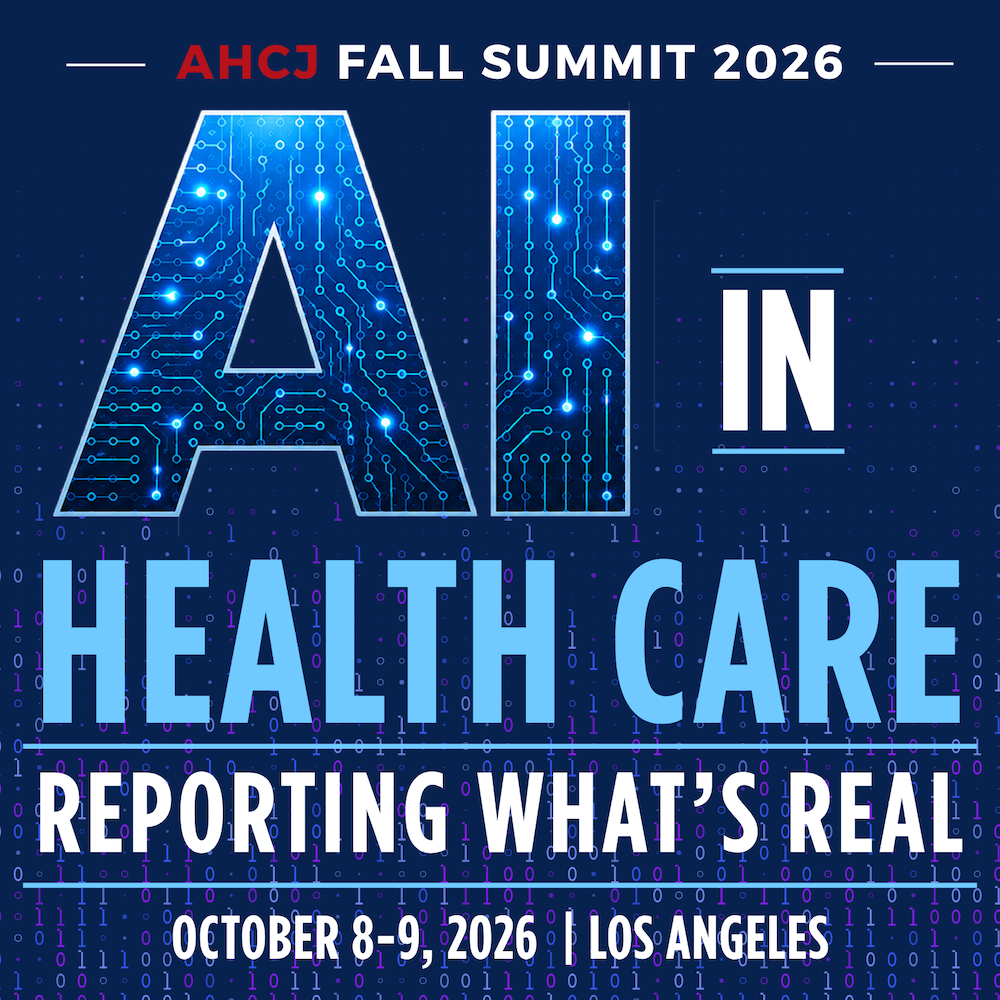
On October 8, journalists will gather to gain crucial insights and a robust framework needed to navigate the complexities of artificial intelligence in healthcare. The day’s agenda includes sessions that will examine how AI is transforming diagnostic processes, preventive care, the dynamics of patient-provider interactions, medical training, drug development, and emergency forecasting. Participants will address important considerations around evidence, ethical implications, regulations, and other pressing issues vital to this rapidly advancing field. The discussions are designed to stimulate participants to apply their newfound knowledge to real-life situations and analyze the trade-offs involved.
The morning kicks off with a breakfast buffet in the Laguna Beach Room from 7 to 8 a.m. Participants will then convene in the Regency Ballroom for a welcome session, which will include introductions and acknowledgments.
From 8:30 to 9:25 a.m., attendees will delve into "AI 101," presented by Katie Palmer. This foundational session aims to clarify key concepts, trace the journey leading to the current state of AI in healthcare, outline paths to regulation, and provide an understanding of the broader implications for the industry.
At 9:30 a.m., Rebecca Ruiz will lead a session titled "Hello, doc; meet my chatbot," discussing the profound changes that AI introduces to the provider-patient relationship, for better or worse.
After a brief 10-minute intermission, Karen Blum will explore "AI, diagnostics, and prevention: Case studies," focusing on how electronic health records can be utilized by AI to enhance patient care and decrease hospital readmission rates.
From 11:30 a.m. to 12:15 p.m., Katherine Reed will facilitate an interactive exercise where participants must make decisions based on a realistic healthcare scenario involving AI. This engaging activity will challenge attendees to navigate incomplete information and competing priorities, highlighting the critical questions journalists should be investigating regarding evidence, accountability, bias, and patient impact.
Following lunch from 12:15 p.m., served in the Regency Ballroom, the discussion will resume with Tiffani Bright, Ph.D., and Usha Lee McFarling leading a session on "AI in the healthcare Gold Rush." This insightful discussion will analyze the promises and perils associated with the swift adoption of AI and the resultant questions around inequity and accountability.
Eli Cahan will then discuss how medical education is adapting to incorporate the rapid advancements in AI from 1:15 to 2:10 p.m.
Katie Burke will take the stage from 2:15 p.m., presenting on the use of AI in disaster response, specifically highlighting its role in wildfire detection and the potential for machine learning to improve responses in other crisis situations.
Following a 15-minute break, Jonathan Rockoff will address the potential and limitations of AI in drug research and development from 3:25 to 4:20 p.m. This session will scrutinize whether AI can deliver on its promise to revolutionize drug discovery, given that no AI-generated drugs have made it to market yet.
To conclude the day’s sessions, Katherine Reed will lead a reflection at 4:20 p.m., where participants will revisit their earlier decisions and discuss the influences shaping those choices, thereby uncovering underlying ethical considerations as AI becomes further integrated into healthcare.
The evening will close with a reception from 5 to 7 p.m. on the Jetway Patio, providing an opportunity for networking and further discussion.