Last Monday, I arrived in Slough, where temperatures hit 28°C amid alarming news about droughts in the UK and wildfires across Europe. My focus was on the Slough Trading Estate, a location that previously might have drawn comedic comparisons to the TV show The Office—an awkward homage to a suburban landscape located about 20 miles west of London.
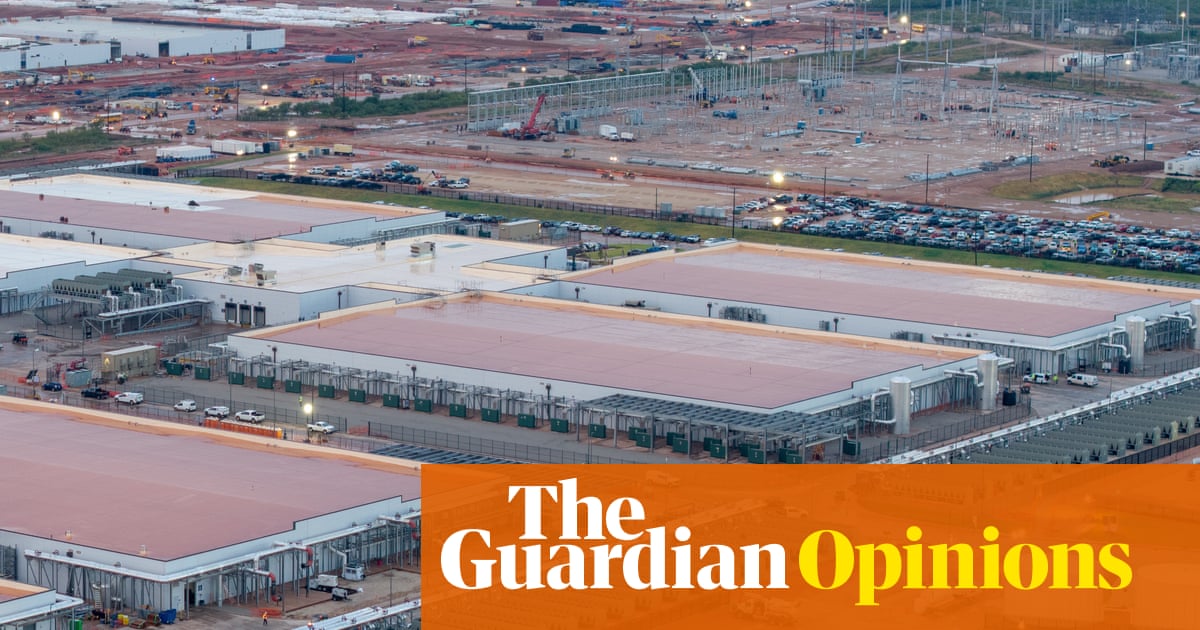
Today, this area presents an eclectic landscape of traditional businesses, like Mr Clutch and Angling Direct, alongside massive datacentres, which resemble structures ripped straight from a J.G. Ballard novel. These datacentres symbolize the relentless demand for computing power from major tech firms, especially in light of the increasing complexities surrounding artificial intelligence.
Datacentres also epitomize the pressing environmental concerns of our time: temperature and water scarcity. Their staggering energy consumption, primarily sourced from fossil fuels, ties them directly to the climate crisis. Moreover, the cooling systems needed to regulate the heat from densely packed servers consume vast amounts of water, raising questions about sustainability in our digital age.
My first stop was an Equinix datacentre, a California-based company, where I noticed around 100 cars parked in designated visitor and staff areas, though there was no obvious branding. The persistent hum of industrial activity filled the air. Just across the street, I spotted an office building occupied by Thames Water. I asked a group of employees if they were aware of what was housed in the datacentre.
“There’s loads of AI stuff in there,” one young woman named Louise remarked. “I saw something about it on Instagram regarding their water usage.” She expressed her frustration, noting that the cooling requirements during heatwaves lead to excessive water consumption. One Instagram post highlighted, “Slough is quietly managing Britain’s AI boom, but a problem arises: the machines demand more water during a heatwave.”
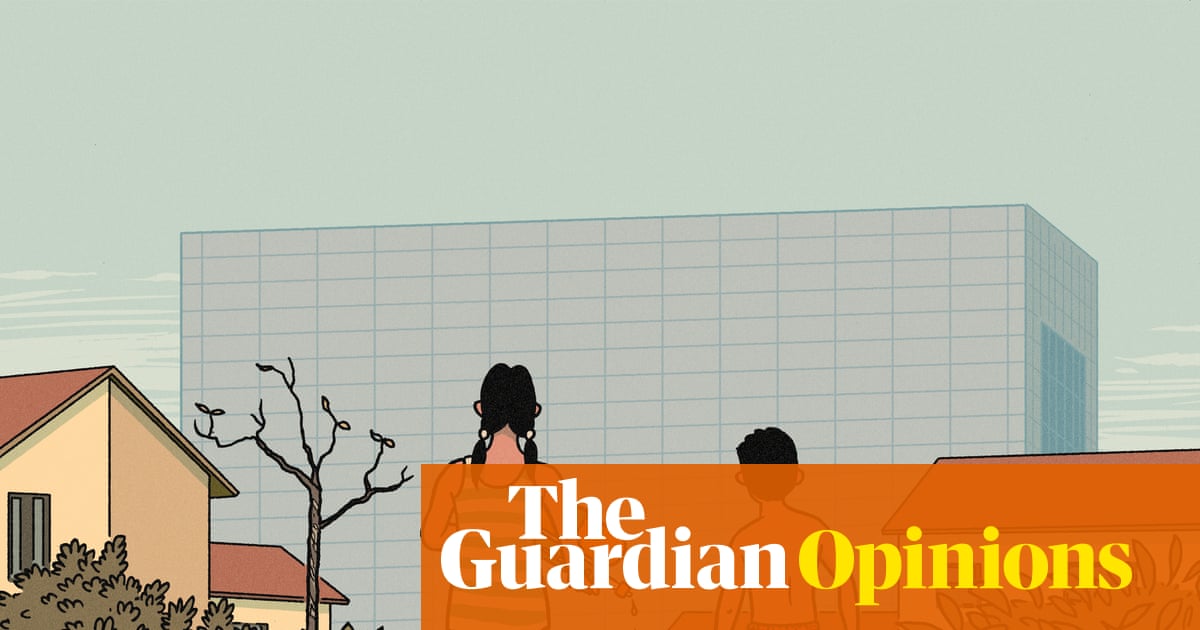
On the suggestion of a local, I ventured to the nearby Britwell housing estate, constructed for Londoners displaced in World War II. The first person I spoke with was a resident named Sheryl, who mentioned the persistent noise from nearby datacentres. “You notice the whirring sounds at night. Since the new ones opened, it feels even warmer around here.”
Emerging studies, including a recent preprint from Cambridge University, indicate that datacentres can create a “heat island” effect, raising local temperatures by an average of 2°C, potentially reaching 9°C in some areas. Last month, the owners of the trading estate claimed they had found no definitive evidence linking the operations of these datacentres to local temperature increases.
Slough boasts the highest concentration of datacentres in Western Europe, with around 40 facilities and more in the pipeline. The area’s unique status as a “simplified planning zone” combined with its proximity to London’s digital economy and the physical infrastructure connecting the UK to the US and Ireland have made it an attractive locale for data operations. While the companies managing these datacentres may not be household names—such as Equinix, Digital Realty, and Iron Mountain—they serve behemoths like Amazon, Google, and Microsoft.
Debates surrounding datacentres are heating up in the context of the forthcoming US midterm elections, with Donald Trump supporting their development. However, opposition is rising in political circles; New York recently became the first state to put a one-year moratorium on new “hyperscale” datacentres. Alongside this growing resistance, even some conservative politicians are calling for stricter regulations on new projects, particularly those affecting rural areas.
Many US facilities are incorporating their own gas turbines, a trend echoed in the UK as energy regulator Ofgem reports that 100 planned datacentres will seek similar setups. In the US, existing power grids already burdened by coal and oil face additional pressure from these new facilities, which commonly utilize diesel-powered backup generators. While there’s a rising interest in green datacentres, some industry insiders argue that renewables cannot yet meet their nonstop energy needs.
Public trust in private water companies is low. Recently, Water UK warned that government water usage projections do not account for datacentres, which can consume daily amounts equivalent to the needs of 50,000 people. As we face inevitable drought scenarios, the question arises about whether the public will be asked to limit their water usage while datacentres continue their hefty consumption.
Tensions surrounding these issues could soon escalate. Despite local leaders advocating for community autonomy, the government’s goal remains to triple the number of datacentres in the UK by 2030. Reports suggest that the energy demands from these facilities have impeded housing development in London. In a recent decision, the housing secretary approved a project on the former Truman Brewery site, which will include a datacentre along with new office space and housing, despite local council plans advocating for many more homes.
As I was leaving Britwell, I spoke with Jodie, a woman returning from shopping. “My brother heard on TikTok that if there were ever a war, Slough would be a target because of the datacentres,” she said. I shared a grim chuckle, recalling the infamous line about Slough from poet John Betjeman. As I made my way back, I pondered his evocative words about the land transforming under industrial growth, leading to a future where nature takes a backseat to technology.