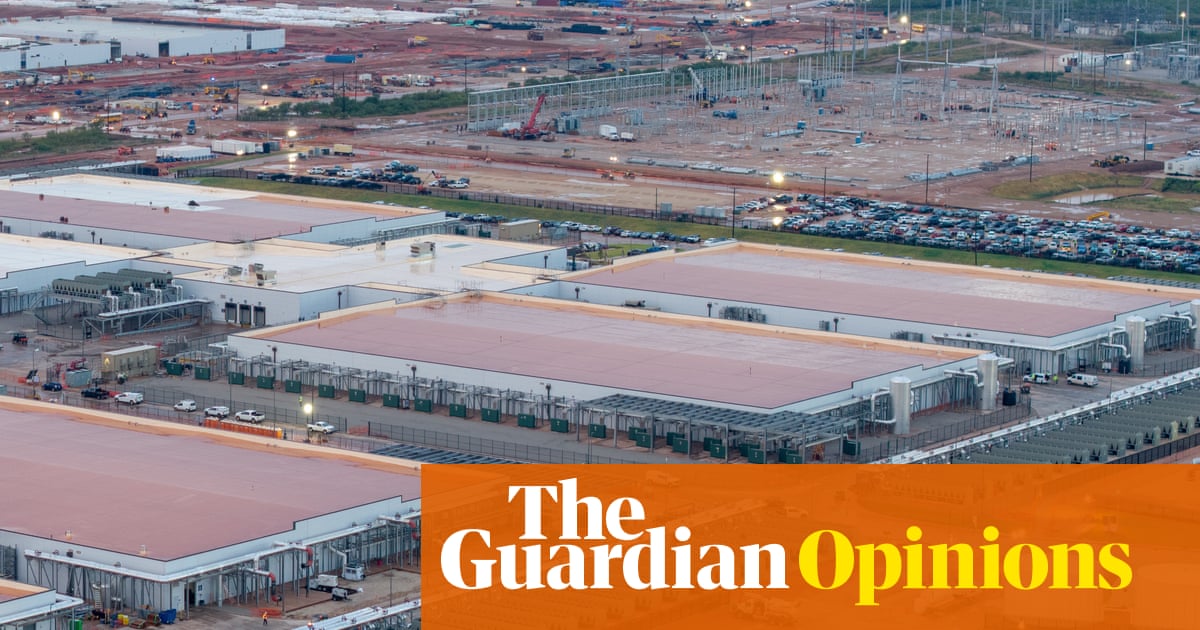
Experts are currently sounding alarms about a potential "debt bomb" crisis, specifically highlighting concerns around major data center developers like Meta, Oracle, xAI, and CoreWeave. These companies are raising vast sums of capital to build expansive facilities, yet they're not reflecting these long-term debt obligations in their balance sheets.
Is this a cause for alarm? I would argue it isn’t, based on past experiences.
Here's how the process typically unfolds: Meta, for instance, aims to establish a data center to support its escalating demands in AI and cloud services. To achieve this, it creates a separate entity that is not included in its financial reports, which will manage the construction of the data center. This entity secures funds from various sources, including investors and financial institutions, with significant backing from Meta itself. Once the data center is completed, Meta is granted exclusive access to it. This arrangement allows Meta to benefit from the data center without directly showing most of the incurred debt as a liability on its financial statements.
Concerns have arisen due to the staggering amounts of money flowing into these entities. A report by the Financial Times in December 2025 indicated that tech companies had successfully funneled over $120 billion in AI data center expenses off their balance sheets through special-purpose vehicles and related financing methods. Goldman Sachs projects that hyperscale companies will invest $5.3 trillion into AI and data centers by 2030, anticipating a growing reliance on private markets for funding this expansion.
Skeptics argue that these tech firms might be obfuscating the long-term ramifications of this debt, drawing comparisons to Enron, the energy company that famously collapsed in 2001, leading to massive losses for investors and triggering a market crisis.
Critics should indeed analyze these companies' finances closely. Examine the details, debate issues around financial consolidation, and scrutinize the methodologies used. However, it’s misleading to liken them to Enron. While Enron's downfall was catastrophic, it's improbable that any similar large-scale fraud is occurring within these tech firms today.
Reflecting on my career's early days in accounting during the mid-1980s, my primary client was Centocor, a publicly traded biotechnology company pioneering monoclonal antibody treatments for various conditions. To finance its operations, Centocor utilized off-balance-sheet financing by establishing limited partnerships in which it held minority stakes. These entities raised funds through debt and investments from limited partners, which Centocor then used for exclusive drug development rights.
At that time, substantial investments were made into these partnerships, a common practice within the biotech sector. While some drug candidates did not succeed in clinical trials, this did not spark a stock market turmoil. Just like with today’s data centers, the risks associated with those biotech ventures were diversified. During the period before the internet and rigorous SEC regulation, these financing vehicles were not widely understood by the public. Fortunately, accounting practices have improved, though the fundamental concept remains unchanged—Centocor’s balance sheet did not reflect any debt from these partnerships. Ultimately, this funding mechanism became less favorable as traditional methods of raising capital became more accessible.
The off-balance-sheet financing techniques used by contemporary tech giants involve distinct risks compared to those faced by biotech firms in my early career. Today’s companies are subject to stringent disclosure requirements, and the level of public scrutiny has intensified. Investors have become more educated, and the risks they face today are notably different and potentially less severe.
In the 90s, companies like Centocor, Genentech, Amgen, and Biogen were amassing millions through partnerships aimed at developing products that often faced high failure rates during clinical trials. In contrast, today’s investors are financing tangible assets—land, buildings, electrical systems, and advanced computing equipment. While a data center might not achieve its financial forecasts, it can still retain value as a physical asset, unlike a drug that fails clinical testing. As Jeff Bezos described AI assets, they could be seen as part of an “industrial bubble,” which leaves behind infrastructures like railways, fiber-optic networks, and factories—along with data centers.
Interestingly, even amidst concerns of oversupply, the landscape remains robust; North American data center capacity grew by 36% last year, yet vacancy rates dropped to an unprecedented 1.4%. Recent findings from CBRE's North America Data Center Trends H2 2025 report reveal that demand is currently outstripping supply in nearly every key market. The need for data centers is legitimate and pressing; AI technologies are not vanishing. In fact, Microsoft suggests that only 17.8% of the global working-age population is currently utilizing generative AI—indicating that we may be at the early stages of widespread adoption.
Certain investments will inevitably falter. Some lenders might incur losses, and certain data centers may not hold their initial value. However, these financing models exist precisely to mitigate substantial capital requirements and distribute risk among investors. The financial obligations are disclosed, the underlying assets are tangible, and the demand for computing power remains robust. Consequently, I remain unconcerned about the off-balance-sheet debts of major tech companies. What I observe is a sophisticated approach to financial engineering rather than an impending debt catastrophe.


