The University of Chicago is implementing a significant new policy to regulate the use of artificial intelligence in academic settings. This initiative outlines the institution's observations regarding AI's growing influence in higher education and its effects on the legal profession.
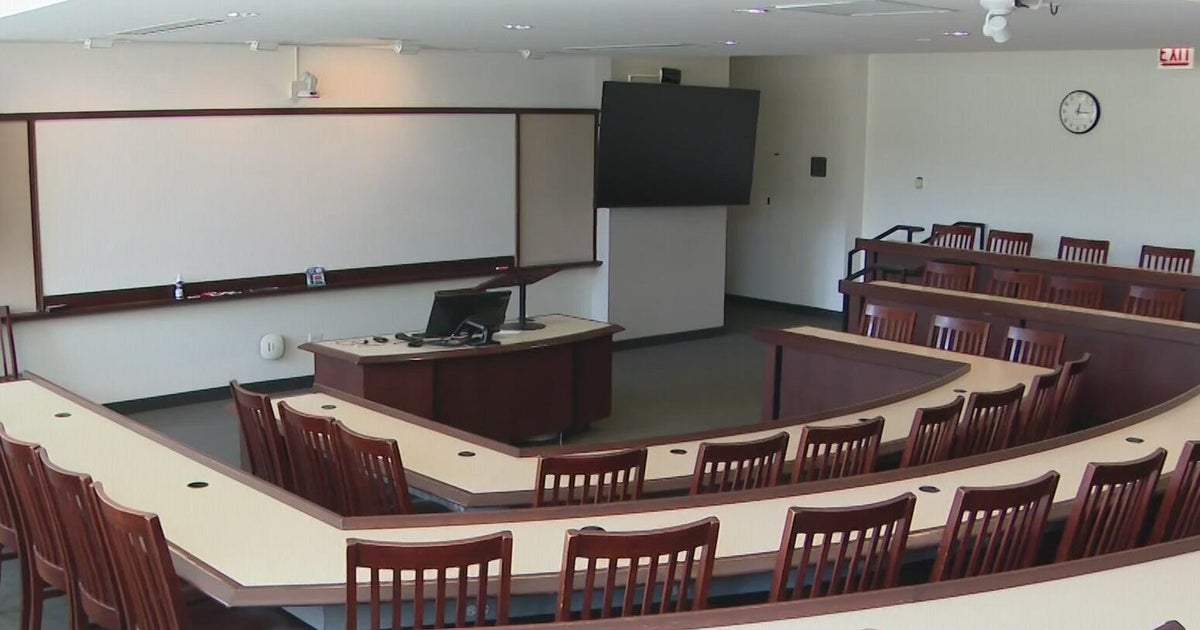
A prominent aspect of these changes is a strict ban on technology use in classrooms, particularly for first-year law students, who will be required to rely solely on traditional methods like note-taking with pen and paper. Adam Chilton, the Dean of UChicago Law, emphasized the rationale behind this approach.
According to Chilton, the policy aims to foster independent, critical thinking without the temptation to depend on AI for quick fixes that could hinder deeper understanding. "We want our students to engage in rigorous thought processes rather than rely on shortcuts that AI might offer," he stated.
Nonetheless, Chilton believes that students must also be equipped to navigate AI effectively in their future careers. "It’s essential that we prepare graduates who can use technology efficiently in today’s world," he said.
While this policy currently applies only to the law school, it raises broader questions about how educational institutions—from universities to kindergartens—are managing AI in the classroom. "We need to have a candid dialogue about how to enable students at every educational level to think independently of machines while also learning to think alongside them," Chilton remarked.
Other educational bodies are also taking action. A representative from Chicago Public Schools mentioned that specific AI tools have been blocked from their network, alongside the establishment of an acceptable use policy and a guidebook for teachers and students, encouraging responsible AI use. Students are mandated to properly cite any AI assistance utilized in their assignments, with non-compliance considered a breach of the conduct code.
Dr. Diane Castro, Financial Secretary of the Chicago Teachers' Union, commented on AI's role in schools, highlighting the union's resolution to prohibit student-facing AI in elementary classrooms and tools that mimic interpersonal relationships for students under 16. The resolution aims to protect student data under federal privacy laws and to ensure that educators are not compelled to adopt AI tools.
At the University of Illinois at Chicago, students are required to acknowledge compliance with a code of conduct before using AI tools.
This announcement from UChicago coincides with new guidelines from the Illinois State Board of Education, which aims to outline a thoughtful framework for integrating artificial intelligence into educational practices while ensuring that the role of teachers remains paramount and student development is prioritized.