AI systems developed using data from the Ukrainian battlefield are set to play a crucial role in safeguarding UK defense facilities, rail networks, and energy infrastructure from potential threats posed by protesters and foreign adversaries. This initiative comes from an agreement between the UK and Ukraine.
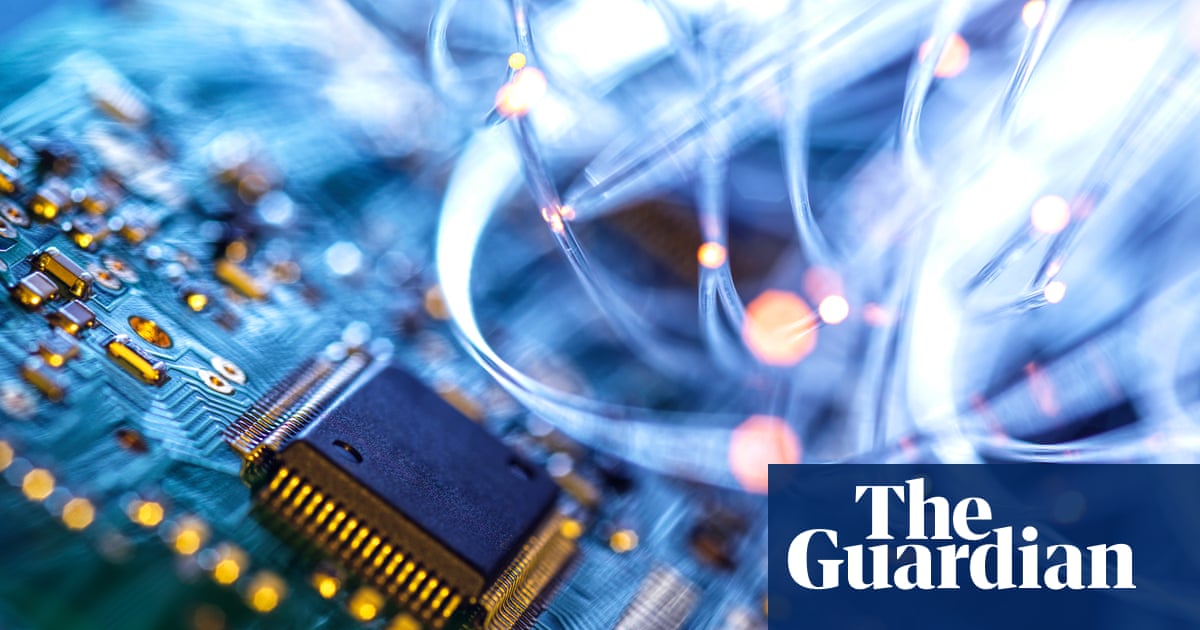
The scheme allows private firms to tap into the extensive data sourced from Ukraine’s Avengers AI lab, marking a pioneering collaboration in the UK's approach to defense technology. A trial will commence at a UK defense location, focusing on creating a model capable of identifying both protests and attacks from hostile entities. This involves utilizing AI-enhanced sensors embedded in fiber-optic cables to monitor various movements.
If the technology proves effective, the government anticipates its future application in airports, prisons, railways, and energy sectors.
The recent decision to proscribe the activist collective Palestine Action came in light of their July 2022 breach at RAF Brize Norton, which was a worrying lapse in security. The group managed to vandalize two military aircraft and leave without apprehension. Palestine Action has defended its actions by claiming it aimed to disrupt Britain’s involvement in actions they view as genocidal and criminal in the Middle East.
Private companies looking to engage with this data will need approval from the Ministry of Defence (MoD) and will utilize a secure platform for access, which has raised concerns among privacy advocates. Initial pilot programs have received backing from three British AI firms: Sintela, Mind Foundry, and Skyral. Sintela, based in Bristol, has previously entered a $35 million contract with the Trump administration focusing on surveillance at the US-Mexico border.
This collaboration not only allows for the incorporation of operational drone datasets and mission footage into British security frameworks but also includes insights into Russian sabotage tactics against vital Ukrainian systems. The comprehensive military data accumulated over the past four years offers a more nuanced view than previous models, which largely relied on publicly available information.
The UK government envisions employing AI models to swiftly assess threats to critical infrastructure, including railways and military bases, by using advanced fiber-optic cable systems capable of detecting distinct patterns of movement around sensitive areas. Sources from the MoD clarified that this monitoring includes identifying potential protests, not solely actions from foreign states.
Prime Minister Andy Burnham emphasized the opportunity for British firms to meld their AI innovations with battlefield insights from Ukraine, thereby enhancing national security while ensuring the protection of vital infrastructures across the nation.
Future initiatives could explore developing new AI chips for drones, robotics, and automated weapon systems aimed at bolstering defense capabilities.
Steven Murdoch, a professor of computer science at University College London, noted that while the underlying technology for movement detection via fiber-optic sensors is established, it's uncertain how the Ukrainian data will enhance its effectiveness. He acknowledged, however, the potential for discovering valuable insights related to emerging threats that may soon challenge Western Europe.
"What's valuable now could be significant for what other nations will confront down the line," he remarked, citing drones as a relevant example.
Defense Secretary Wes Streeting highlighted Ukraine's role in advancing defense innovation in its fight against Russian aggression. He asserted that leveraging the UK's scientific and technological prowess alongside Ukraine’s battlefield experience would bolster defense and security for both countries.