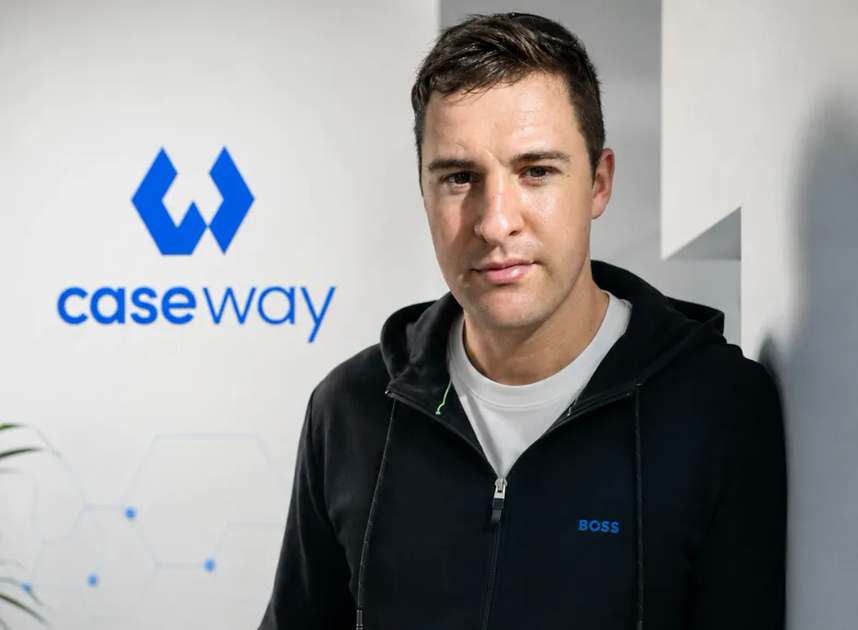
Al Vigier, the founder and CEO of Caseway, a Vancouver-based AI software firm, recently announced that his company is stepping away from pursuing defense contracts with the U.S. government. This decision comes despite the flourishing partnership opportunities between AI startups and the Department of Defense. Instead, Caseway plans to concentrate its efforts on markets in Canada, the EU, and Taiwan.
This week, Vigier opted out of participating in the AI Conference in San Francisco, an event that he believed could have opened doors to substantial investments and networking with potential collaborators in the legal and defense sectors. The conference, taking place at Pier 48 and running from Tuesday to Thursday, was initially supported by the Canadian Technology Accelerator—a program aimed at enhancing the competitiveness of Canadian AI firms in the U.S. market.
While originally scheduled to attend the conference, Vigier found himself in Ottawa instead. “We’re pulling out for the next few years until there’s some clarity or stability,” he explained over the phone while en route to a Cyber and Digital Outlooks 2026 event. Meanwhile, the other companies from the accelerator were gearing up for their presentations and promotional activities in San Francisco, all organized with the help of the Canadian consulate in Palo Alto.
For Vigier, this choice is both ethical and political. A veteran of the Canadian Army who faced serious injuries leading to his medical discharge, he believes that startups have the ability to make bold statements that larger companies often cannot. “I can say, ‘Hey, I don’t find this is ethical,’” he stated.
Caseway collaborates with larger firms to develop AI solutions that handle data and optimize workflows, which are then marketed to the clients of these partners. One particular collaboration involves a significant California-based company that intends to deliver products to the state courts system, representing a major contract that could expand Caseway’s workforce from 15 to 40 employees. While the firm intends to fulfill its existing commitments, it remains uncertain about pursuing additional legal contracts in the U.S.
The company’s foray into defense was catalyzed by a $75,000 grant from the Canadian government. Vigier has previously remarked on the challenges faced by early-stage startups in Canada compared to those in Silicon Valley, which he considers the pinnacle of the tech industry.
However, the changing political landscape in the U.S. poses new risks. Although Caseway has largely avoided the impacts of trade disputes due to the nature of its software being "essentially tariff-proof," Vigier acknowledges that the current volatility adds an unwelcome element of uncertainty for his startup.
Potential investors often find promise in the risks associated with startups, but Vigier has noted that some are seeking assurances about the future—assurances he cannot provide when navigating the complexities of defense contracts intertwined with AI technology during such tumultuous times. “I just don’t know what’s going to happen,” he conveyed, reflecting his approach to discussing the matter with investors. “All I know is that we’re going to respond to things as they happen, and we’ll stay on top of it, and we’ll try and stay on the right side of things.”