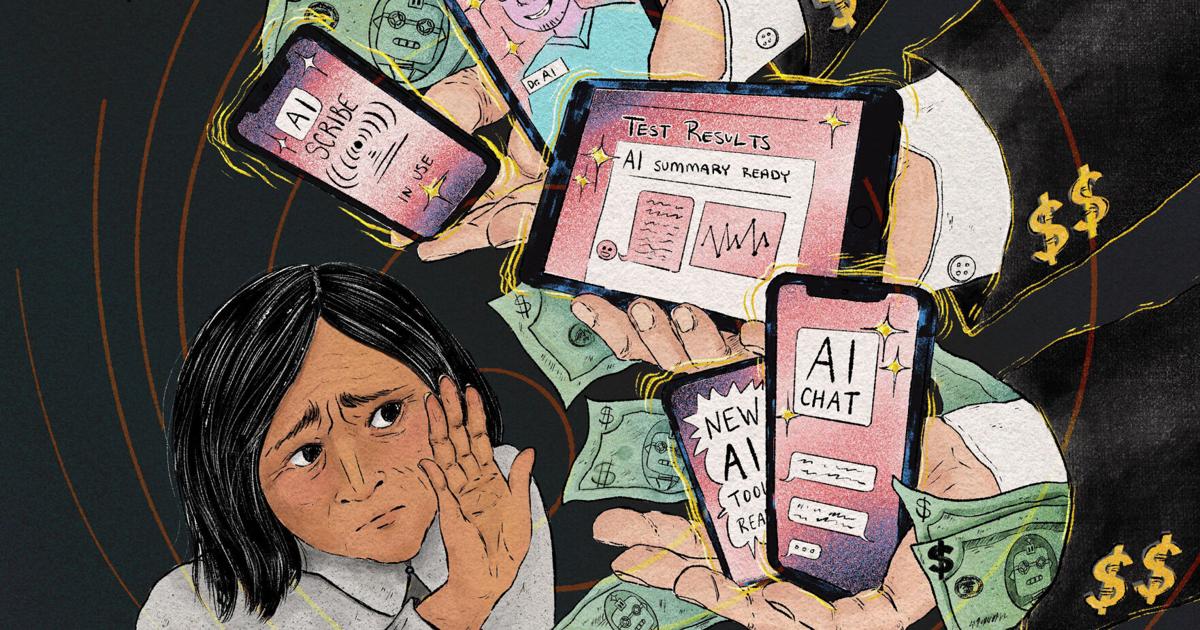
A recent study reveals that overall trust in artificial intelligence within the healthcare sector has decreased significantly, dropping to 44% from 52% just a year earlier. Interestingly, among the small percentage of Americans—14%—who actively engage with AI for health and wellness purposes, trust levels soar to 88%. This stark 50-point disparity underscores a critical reality: many individuals are being asked to place their faith in a technology that feels distant, inscrutable, and potentially misused.
Identifying Reasons for Skepticism
When exploring the roots of this hesitance, three primary concerns emerged. First, there is a widespread fear regarding accuracy and possible harm, particularly related to “hallucinations” produced by AI and the risk of misdiagnosis. As one Gen X participant succinctly expressed, "AI is often wrong. I wouldn’t trust it with my health." Second, worries about data privacy loom large, with people questioning how their sensitive health information is managed and shared. Lastly, many express anxiety that AI may depersonalize healthcare, replacing the necessary human empathy with robotic interactions. A Gen Z respondent conveyed this sentiment powerfully, stating she prefers care from someone who possesses “human thoughts and feelings” rather than depending on a machine.
Recurring Themes in Healthcare Technology
In the past, tools like electronic health records aimed to enhance care efficiency but often resulted in cumbersome documentation. Patient portals intended to empower users instead delivered complex, context-lacking lab results. Telehealth, while proving its utility during the pandemic, has faced the challenge of reaffirming its worth since then.
The trend is clear: successful healthcare technologies invariably minimize friction while avoiding the creation of new uncertainties. AI has the potential to simplify complex medical language, streamline care coordination across disparate systems, and address gaps when accessibility is limited or costly. Nonetheless, patients are more inclined to adopt tools they trust to function reliably, rather than those boasting the latest advancements.
Insights into Trust-Building
To understand this decline in trust, a more nuanced approach to feedback is necessary. This study utilized a conversational research methodology that merged quantitative data with qualitative responses and real-time video input from mobile devices. Through this comprehensive lens, we uncovered the emotional nuances behind statistical trends: the AI responses that felt sterile rather than supportive and the confusion surrounding contact points when issues arose. These insights, often lost in conventional survey formats, pinpoint the precise instances where trust falters.
The data illustrates several key patterns that differentiate trusted experiences from those that are rejected.
Starting with low-risk scenarios tends to foster greater adoption. Current AI users frequently utilize chatbots for medical inquiries or symptom assessments (55%), seek personalized health or fitness advice (35%), or request help with interpreting lab results (27%). Among those who are open to AI, the most compelling applications include assistance with appointment scheduling (50%), simplifying complex medical information (49%), and clarifying insurance coverage (48%). These are areas where individuals actively seek support without feeling their safety is on the line.
Establishing clear boundaries is essential for fostering trust. Participants expressed a desire for transparency, wanting to understand when AI is unsure, delineations between AI and human actions during urgent situations, and clear definitions of what AI can and cannot accomplish. As one millennial put it: “I would need to know that there are limitations and that it would be very clear when I need to see an actual doctor.” Research indicates that AI which recognizes its limitations generates more trust than systems that always provide an answer.
Transparency regarding data privacy is critical. People shared specific concerns about the handling of their data, such as what information is being collected, if they can use the service without sharing extensive personal details, whether anything will appear in their medical records, and if their data might be sold. Respondents want straightforward answers in clear language, reflecting meaningful choices.
Accountability is also a vital component of trust. A recurrent concern was that no one would be held accountable in the event of AI error. Users are generally more receptive to AI when there’s a clear transition to human oversight during critical moments and a reliable point of contact if something seems amiss.
Ultimately, tracking trust dynamics over time is paramount. A single study at launch will miss how initial excitement can gradually transform into disillusionment or how minor friction points can escalate into significant trust issues. Ongoing research methods, like insight communities, can provide invaluable insights as people’s experiences with AI evolve, features change, and new concerns arise. By maintaining this continuous feedback loop, organizations can identify early warning signals and address them proactively.
The Bigger Picture
In a potential scenario, the healthcare industry could rapidly advance its AI applications, achieve utilization targets, and mark off innovation milestones, only to witness a decline in trust as users feel monitored or marginalized. We've seen this narrative before: it typically ends in backlash, regulatory scrutiny, and prolonged efforts to rebuild lost credibility.
It is far more strategic to consider trust as fundamental infrastructure, fully integrating it into operational workflows, user interfaces, data management practices, and ongoing research initiatives. Building trust requires continuous evaluation—not merely a one-time assessment. Organizations must remain attuned to how consumers' confidence ebbs and flows as they interact with AI, pinpoint friction areas, and identify what instills reassurance throughout the adoption process, be it through chatbots, care protocols, or AI-powered home medical devices. Particularly in the medical device domain, users are eager to welcome AI that demonstrably enhances convenience or monitoring, yet they exhibit impatience when setups feel complex, alerts are overly alarming, or technology becomes a source of stress.
Consumers are not merely waiting to be persuaded of AI's intellectual prowess; they are looking for evidence of its safety, human-centricity, transparency, and accountability when issues arise. Organizations that commit to ongoing dialogue with their audiences in real time—not just during the initial rollout—will ultimately shape the future landscape of responsible AI in healthcare.
About the Author
Dara St. Louis serves as Executive Vice President at Reach3 Insights, a comprehensive consultancy focused on conversational insights. With two decades of expertise in market research, she leads innovations across consumer goods, technology, retail, healthcare, and experiential insights, recognized for empowering teams through inventive, technology-driven research solutions that encompass qualitative, quantitative, and community-based methodologies.