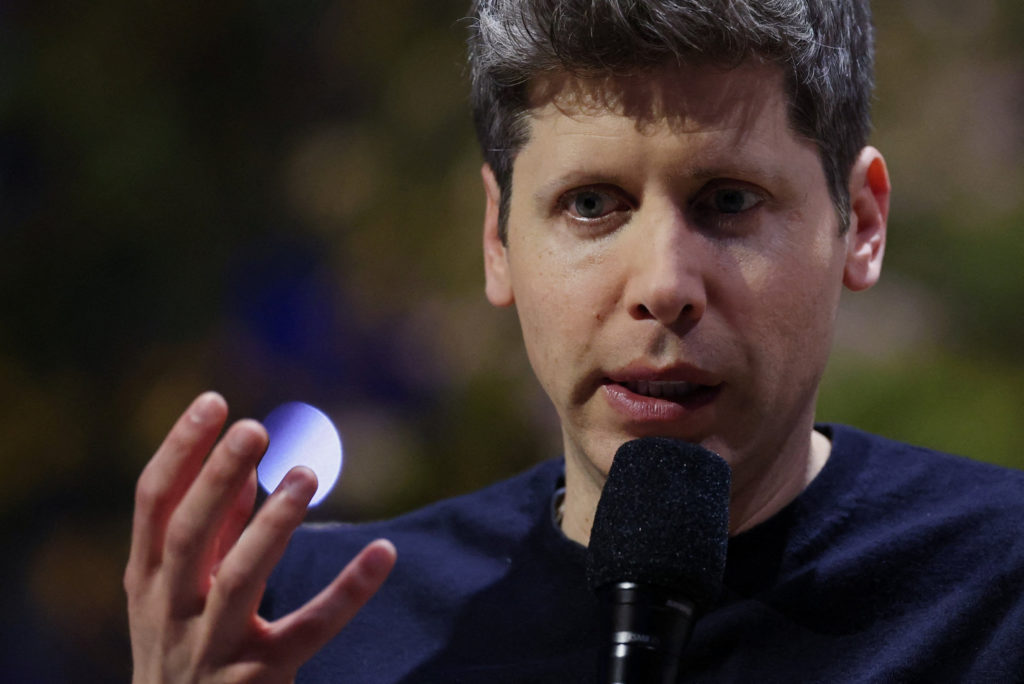
Crusoe Chief Executive Chase Lochmiller. Jonah Reenders / CRUSOE
Crusoe made its name building one of the biggest artificial-intelligence supercomputers on earth. The firm’s next big bet is going small.
After spending the past two years building a data-center complex in Abilene, Texas, used by OpenAI, Crusoe is now investing heavily in smaller data centers, which it can manufacture in its own factories, load onto flatbed trucks, and deploy wherever it can find available power. The idea is that this will be faster and cheaper than solely relying on large construction projects, which are getting more expensive and facing delays across the country.
Fueling the strategy is a fresh $3.9 billion funding round that values Crusoe at about $30.9 billion after the investment. The round was co-led by Atreides Management, Valor Equity Partners and Mubadala Investment, Crusoe Chief Executive Chase Lochmiller said. Other investors include Founders Fund, TPG and several sovereign-wealth funds, including the Qatar Investment Authority.
Crusoe’s move reflects a change in how AI companies want to access computing capacity. Giant clusters containing hundreds of thousands of chips have proved useful for training the most sophisticated models. But serving those same models to users, a process known as inference, can often be done with considerably smaller amounts of chips, Lochmiller said.
“You don’t actually need an Abilene to do that,” Lochmiller said. Running inference from such a facility, he said, “can be a bit of overkill.”
The smaller data centers, which Crusoe calls Spark, offer the firm another advantage: speed. Building new data centers requires months of planning, construction and coordination with local communities.