Your contributions enable us to share important narratives effectively. At The Independent, we’re dedicated to covering crucial topics, from reproductive rights and climate issues to the influence of Big Tech. We engage in thorough investigations, including a deep dive into Elon Musk's pro-Trump PAC, as well as producing impactful documentaries like 'The A Word,' which highlights the struggles of American women advocating for reproductive rights. It’s essential for us to sift through the noise and bring clarity to the facts, especially during this pivotal time in American history. Your donations empower us to deploy reporters who can explore diverse perspectives on crucial issues. The Independent enjoys the trust of readers across the political spectrum, and unlike many other reputable news platforms, we refrain from placing paywalls that restrict access to our valuable insights. We firmly believe in making quality journalism accessible to everyone, supported by those who can contribute. Your generosity truly makes a difference.
In recent developments, prominent AI developers have been confronted with legal action over allegations of forming an illegal agreement to deliberately hinder the speed of their technological progress.
The lawsuit, filed last Friday in the U.S. District Court for the Northern District of California, claims that Google, OpenAI, Anthropic, and SpaceXAI breached federal antitrust regulations by conspiring on strategies to slow down advancements.
According to the court documents, this alleged collusion reduces the value delivered to subscribers who are paying for AI services.
A focal point of the complaint is an article published on September 12, in which Anthropic CEO Dario Amodei advocated for a concerted industry effort to limit rapid progress in exchange for improved safety protocols.
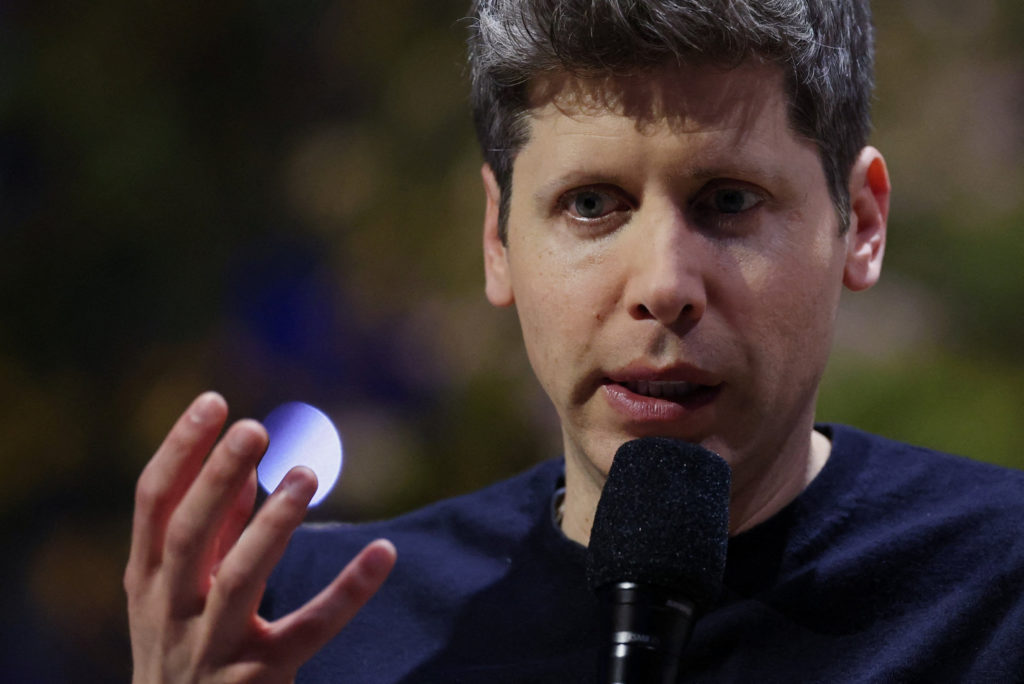
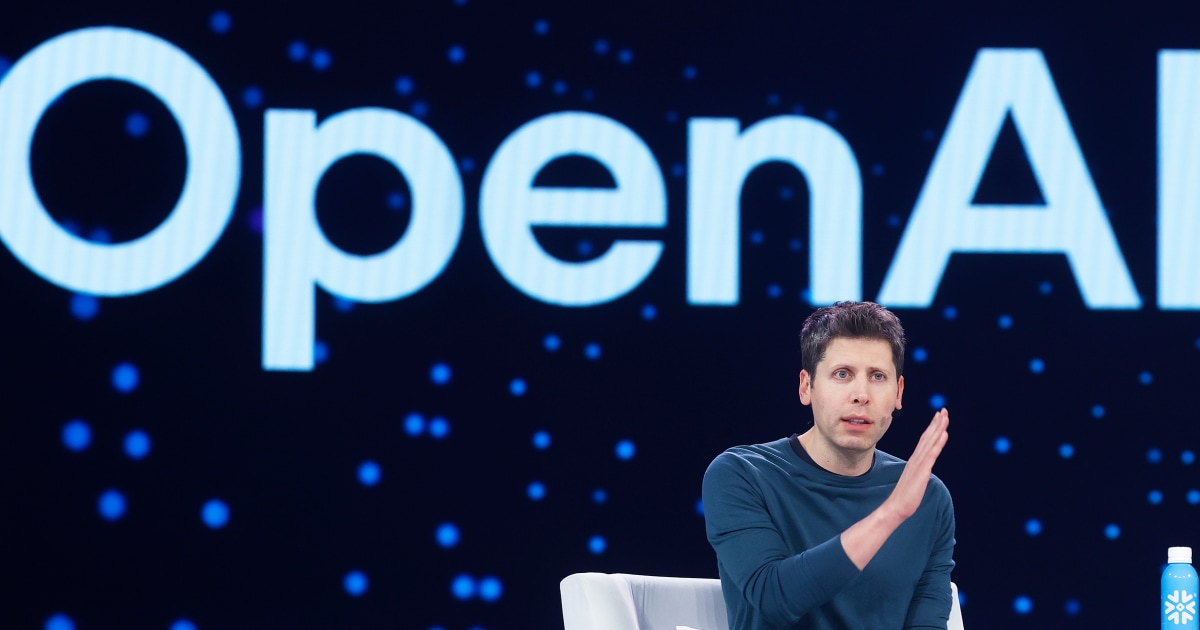
On the same day, notable figures from these companies—including Demis Hassabis of Google DeepMind, Sam Altman from OpenAI, and Elon Musk of SpaceXAI—expressed their support for Amodei's suggestions.
The lawsuit argues that agreements among major competitors to ensure their development timeline "is slower than what competition would otherwise achieve has a negative impact on consumers."
The legal representation for four plaintiffs, who are subscribers to ChatGPT, Claude, Grok, or Gemini, is filing this lawsuit on behalf of a proposed nationwide group of other paying subscribers to these services.
Lead attorney for the plaintiffs, Nick Rowley, expressed concerns that "AI could quickly spiral out of human control and pose catastrophic risks if the management of AI safety and regulations is left to self-serving accords among the world's leading profit-driven tech firms."
As of Saturday, representatives from OpenAI, Anthropic, Google, and SpaceXAI had not provided immediate comments on the matter.
In his essay advocating for a development slowdown, Amodei recognized potential antitrust complications, suggesting that if the U.S. government could facilitate "or at least allow" inter-lab discussions, it would be beneficial.
He clarified that government involvement is not necessary, but a "narrow waiver for specific types of safety discussions" would be helpful.
In response to the situation on social platforms, Altman noted that OpenAI backs a "federal framework that establishes uniform safety standards," while emphasizing "we do not believe we need to await an antitrust exemption or legislation to commence our efforts in ensuring safety."
While the recent discourse about moderating development has emerged from escalating concerns regarding AI's potential to exceed human control, industry leaders have long emphasized the importance of implementing shared safety standards.