Two weeks ago, two concerned residents discovered what they believed to be the disfigured body of a woman concealed within a suitcase in a small town approximately three hours south of Sydney. The locals promptly alerted the police, who confirmed the unsettling find in an official statement. Many anticipated yet another tragic addition to Australia’s tally of female homicide victims.
However, just a day later, forensic investigations revealed that the figure was not human but a sex doll, adorned with artificial bruises and left to decay along a remote dirt road. In Australia, as is also the case in the UK and parts of Europe, owning a sex doll is legal, provided it does not resemble a child. Given the adult appearance of the doll, the police ended their inquiries.
The sex doll industry is thriving, with a market analysis in 2026 estimating that its value reached $6.6 billion in 2025 and is projected to soar to $13.4 billion by 2033. As the demand for increasingly realistic dolls rises, the treatment of these figures raises ethical questions.
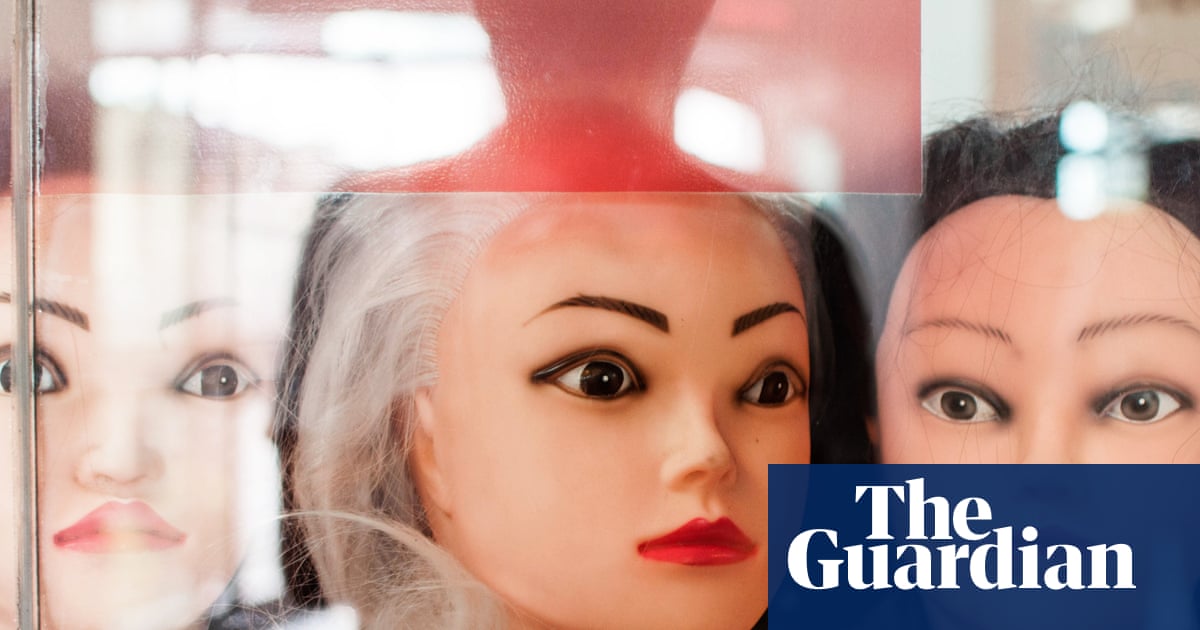
The image of a weathered sex doll with bruises nestled in a suitcase prompts reflection on our cultural attitudes toward women. Johannes Fuss, an expert in forensic psychiatry and sexual research at the University of Duisburg-Essen, argues to the Guardian that this kind of desecration reflects broader societal hostilities toward women. Collaborating with researcher Jeanne C. Desbuleux, Fuss's published work explores the association between the personification of sex dolls and instances of gender-based violence.
Although research is still developing, Fuss notes the absence of substantial longitudinal data to clearly determine whether using these dolls serves as a protective measure or if it could lead to an increased risk of real-world offenses. He emphasizes the need for urgent research into this issue, especially as new technologies continue to emerge that simulate human interactions.
He remains skeptical about the appeal of sex dolls, suggesting that their allure lies in their easy availability, youthful aesthetics, and the complete absence of emotional engagement.
A quick search on platforms like The Doll Forum reveals a community where members frequently compare real women to their silicone counterparts, with some claiming that relationships with dolls are preferable to those with real partners. One user noted, “Girlfriends are for guys who haven’t found the right doll yet.”
Tammie Paine, who runs Naughty by Nature Adult Store in Adelaide, interacts regularly with doll enthusiasts and challenges the stereotype surrounding doll ownership. She remarks, “Many people wrongly assume that all doll owners fit a specific mold or that having a doll signals a negative personality trait. From our experience, the perception doesn’t align with reality, especially considering the recent incident in Goulburn, which, while shocking, shouldn't define the entire demographic.”
While the audience for sex dolls is diverse, questions linger about the implications of forming connections with these lifelike figures. Professor Kelly Richards from the Queensland University of Technology mentions that many men view their companion dolls as entities akin to women. Yet, she questions whether these men regard real women as fully realized humans.
Richards warns that in the current global climate, where gender equality appears to be regressing, the existence of sex dolls embodies the extreme consequences of these attitudes.
The rise of advanced technology plays a crucial role in the growing sex doll market. These dolls are now highly customizable, allowing buyers to design their ideal companions using 3D printing technology. In 2017, the company RealDoll introduced "Harmony," a model equipped with the capability for buyers to assign specific personality traits via an app. This advanced version is expected to launch this year, facilitating an immersive interactive experience where the doll can respond to physical stimuli and engage in conversations.
At the 2026 Consumer Electronics Show, the sex technology company Lovense showcased a new AI companion doll capable of personality modifications and responsive interactions based on touch. The website promises that this product can also foster relationship-building and provide a non-judgmental space for exploring fantasies.
Coeros, a brand based in Los Angeles, specializes in custom sex doll heads, offering models that closely resemble either real people or fictional characters based on submitted images. They claim to achieve around a 90% likeness, albeit without clear protocols for ensuring that such likenesses are made with consent.
Concerns about the ethics of this industry are raised by authors like Caitlin Roper, who critiques the implications of customizing dolls, calling such creations "replica female sex slaves." Roper advocates for a ban on both adult and childlike sex dolls, emphasizing that the potential harm associated with dolls mimicking real women is often overlooked, despite their objectification akin to that of children in abusive contexts.
Speculation swirled around the story of the abandoned sex doll on that quiet road. Was it discarded carelessly, part of a cruel joke, or indicative of a deeper, more troubling issue regarding the treatment of these life-like forms?
The question of how to dispose of a sex doll can be a complex matter. One man in Adelaide advertised his doll for adoption, noting it was prevented from simple disposal due to its size and condition. Online forums feature numerous listings of dolls in varying states of disrepair, with users sharing their experiences of finding homes for unwanted dolls, highlighting the bizarre community dynamics around these objects.
Jerry Siew, the owner of SxDolled, acknowledges the pressing need for responsible disposal options within the community. His business offers discreet services for those seeking to part with their dolls, noting that improper disposal can lead to public concern and unnecessary distress for local authorities.
As technology advances and the sex doll market continues to grow, the dialogue surrounding their existence and societal effects remains as urgent and complex as ever. While these dolls do not express thoughts or feelings, the conversations surrounding them evoke significant societal reflections on femininity, relationships, and the complexity of human interactions.