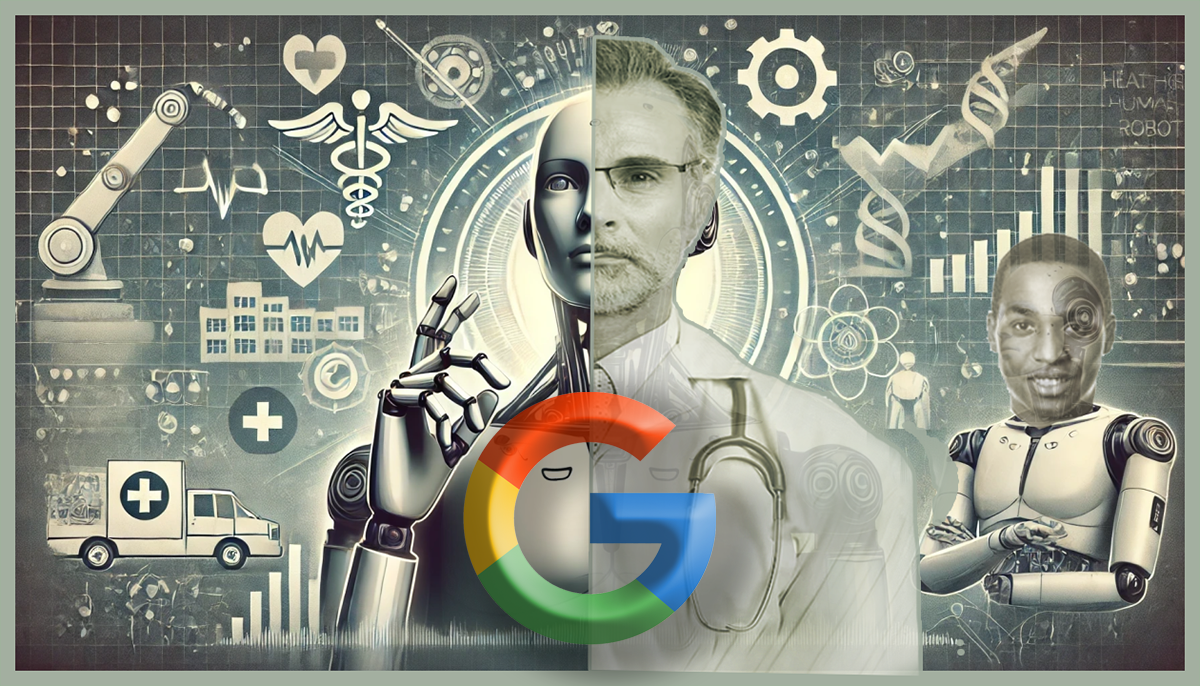
As the field of artificial intelligence rapidly reshapes healthcare, leaders globally are grappling with critical questions: What are the responsible ways to integrate AI? How can we maintain patient trust? In what ways can technology enhance, rather than detract from, the human aspects of medicine?
Interestingly, some insightful responses might be found not within the tech hubs of Silicon Valley but among the enduring principles laid down decades ago at Bascom Palmer Eye Institute by the distinguished Dr. Edward W.D. Norton, a prominent figure in academic medicine.
I was fortunate enough to train at Bascom Palmer during what many regard as its peak era, when all five esteemed founders were still actively contributing: Dr. Edward Norton, Dr. Donald Gass, Dr. John Flynn, Dr. J. Lawton Smith, and Dr. Victor Curtin. These leaders were not only exceptional clinicians and surgeons; they were pioneers who established a culture centered on integrity, discipline, humility, intellectual pursuit, and service.
One moment remains vividly in my memory. About a month before Dr. Norton’s passing, I spent an afternoon with him in the rare book room at Bascom Palmer, where he shared his vision for the institution. Back then, I interpreted his words primarily through the lens of academic ophthalmology. However, I’ve come to understand that he was proposing a broader framework for responsible leadership during times of significant change.
As the healthcare sector embraces the AI age, the principles of Norton may be more crucial than ever.
The foremost principle was integrity. Dr. Norton viewed integrity as non-negotiable. Regardless of one’s achievements or talents, a lack of integrity meant they did not have a place in the healthcare field. This principle is particularly relevant in the context of AI. As AI systems increasingly play pivotal roles in diagnosis, treatment decisions, workflows, and patient interactions, their deployment must prioritize patient welfare over profit-driven or efficiency-based motives. If not, we risk eroding the trust that is central to medicine.
Maintaining integrity in the AI landscape involves being transparent about the limitations and biases of algorithms, and recognizing uncertainties. It’s essential to resist the urge to automate tasks simply for the sake of automation itself.
Another principle emphasized by Dr. Norton was making decisions based on empirical evidence. He advocated for a disciplined approach to decision-making, firmly rooted in preparation and data—not arbitrary choices. This lesson is incredibly pertinent as we consider the current buzz surrounding AI in healthcare.
Many discussions on AI are propelled by hype, investor excitement, and a fear of falling behind. However, healthcare's standards must remain higher than those of other industries because it directly impacts human lives. While AI can produce impressive statistics, true credibility rests on rigorous validation, peer review, and ongoing clinical oversight. Physicians must not relinquish accountability to AI systems that lack transparency and comprehension.
Dr. Norton also championed the idea of nurturing talent rather than overshadowing it. He counseled leaders to allow their top faculty to shine instead of trying to claim the spotlight themselves. This principle counters the anxiety that AI may replace healthcare professionals.
The most promising future for AI in medicine likely lies in its ability to enhance rather than replace human roles. AI should help reduce administrative burdens, support diagnostics, broaden access to care, and grant physicians more time for the humane aspects of their work—empathy, nuanced judgment, ethical considerations, and compassion.
Furthermore, Dr. Norton recognized the value of flexibility in working with diverse personalities and unconventional thinkers. Bascom Palmer prospered because it nurtured innovation while adhering to shared values. This insight is particularly relevant as AI development necessitates collaboration among clinicians, engineers, ethicists, and data scientists who often approach problems from differing angles.
Perhaps the most critical lesson from Dr. Norton is the importance of stewardship. He likened effective leadership to caretaking, describing it as selecting, nurturing, and fostering growth. This notion serves as an invaluable framework for governing AI within healthcare.
AI is not just a product to be purchased and utilized; it is a dynamic ecosystem requiring ongoing attention. Leaders must regularly assess the outcomes, address biases, ensure safety, identify unintended consequences, and preserve patient trust. Just as a gardener tends to their plants continuously, leaders in healthcare cannot afford to overlook the management required once AI tools are in place.
Dr. Norton also placed significant emphasis on loyalty to the institution itself. He understood that although individuals may come and go, the institution remains constant, thus decisions should always serve the long-term integrity of the organization rather than mere personal interests.
This perspective is urgently needed in today’s rush to adopt AI technologies. Many organizations are hastily implementing AI solutions for competitive advantages without fully evaluating the long-term repercussions on patient privacy, physician independence, or community trust. Institutions must resist the allure of short-term efficiency with regard to the fundamental trust that must be maintained in healthcare.
Reflecting on the changing tides of life, I have grown to value these principles even more. Life continually tests our convictions, and the rapid pull of ambition and distractions can subtly lead us away from foundational beliefs. However, core principles endure as anchors we can always return to.
In pondering the swift evolution of AI, I often recall that poignant afternoon with Dr. Norton. He flourished in an era devoid of machine learning and generative AI, yet his principles may offer profound guidance as we navigate this technological revolution responsibly.
Technology evolves swiftly, but human nature remains constant. Factors like ambition, ego, profit motives, and competitive urges can easily divert individuals and organizations from their fundamental values. The true challenge lies not just in developing sophisticated AI systems but in ensuring our ethical frameworks grow in tandem with our technological advancements.
The integration of AI into healthcare is undeniable. However, the extent to which AI enhances or detracts from the practice of medicine will depend significantly on the principles guiding its use.
That is why the Norton Principles continue to resonate so powerfully. They remind us that excellence in medicine is not merely about technological prowess; it revolves around character, stewardship, humility, integrity, and a commitment to serving a greater purpose.
These principles laid the foundation for an exceptional ophthalmic institution and may also serve as a compass as we embark on this new chapter in the age of artificial intelligence.