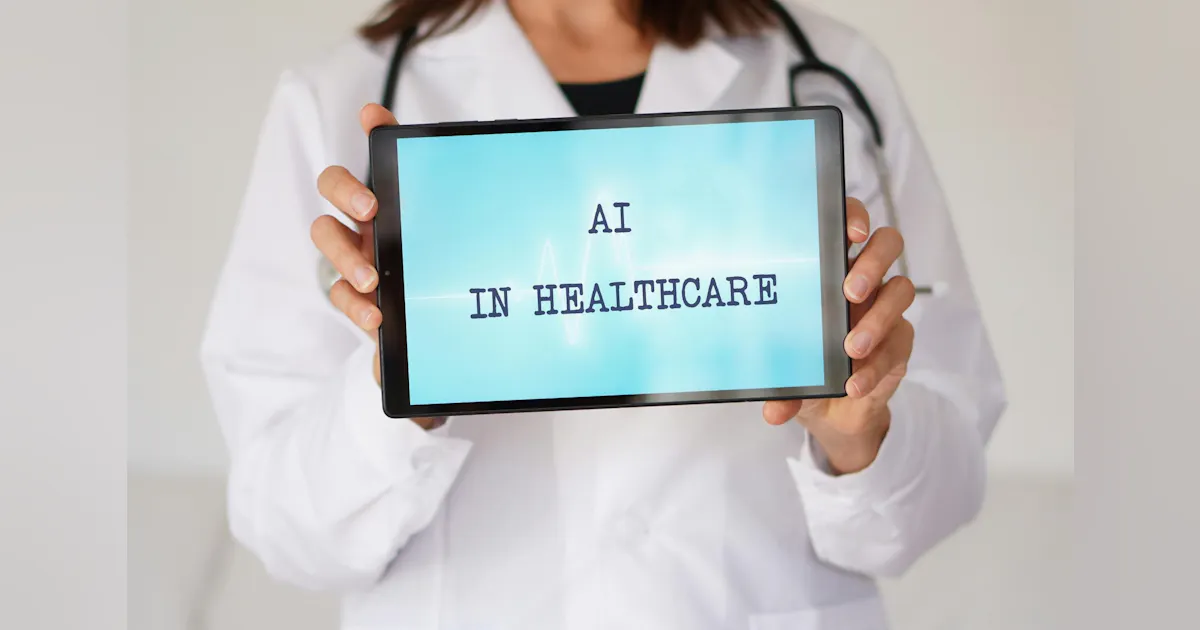
The integration of artificial intelligence (AI) in healthcare encompasses the use of advanced technologies, such as machine learning, deep learning, and generative AI, within various workflows across hospitals and clinics. AI systems leverage extensive data sets, including patient information, electronic health records (EHRs), medical imaging, and clinical documentation, to enhance diagnostic processes, optimize treatment strategies, and improve operational workflows. This guide serves healthcare professionals, IT leaders, and clinical informatics teams as they explore AI solutions, placing emphasis on practical clinical applications, data management practices, and adherence to regulatory standards over mere vendor comparisons.
The adoption of AI in healthcare has a historical background that dates back further than many clinical professionals might anticipate. It began in the 1970s with early expert systems designed to mimic physician decision-making for specific diagnostic purposes. Today's sophisticated AI models differ markedly from their predecessors; however, their fundamental aim remains consistent: to utilize data patterns to assist, rather than usurp, clinical expertise. We will explore the current applications of AI tools, data management practices, and regulatory considerations surrounding their clinical use.
Artificial intelligence is a vast area within computer science that seeks to create systems capable of performing tasks typically associated with human intelligence, such as recognizing patterns, understanding language, and making predictions. Within the realm of healthcare AI, three key terms are often used interchangeably yet represent unique aspects of the technology stack.
AI models are the outputs generated from trained data, correlating inputs like patient information or medical images with specific results, such as risk assessments or categorizations. AI algorithms, on the other hand, refer to the mathematical methods—including deep learning and machine learning techniques—employed to train these models. Generative AI, a unique subset, focuses on the creation of new content, such as drafting clinical notes or summarizing patient histories, as opposed to merely classifying existing data.
Healthcare organizations typically implement various model types concurrently: supervised classification models for diagnostic aid, time-series models for continuous patient observation, natural language processing models for documentation, and computer vision models for medical imaging analysis. Familiarity with the specific model type behind a given AI tool is critical for clinical teams to accurately interpret its outputs, as generative models present different reliability implications compared to validated diagnostic classifiers.
AI technologies are making an impact at nearly every stage of patient care, from initial intake through to post-discharge follow-ups. In healthcare and life sciences, the most developed applications can be grouped into four primary areas: diagnostic assistance, administrative tasks automation, drug discovery, and engagement with patients.
Clinical decision support systems play a vital role by flagging high-risk patients, presenting relevant treatment options, and summarizing medical histories in real time during consultations. For instance, AI algorithms can identify high-risk patients in emergency departments, providing triage teams quicker insight into potential deterioration risks compared to traditional chart evaluations. Imaging AI tools aid radiologists and pathologists by pre-examining scans and highlighting areas requiring attention. Additionally, administrative AI solutions streamline tasks such as medical coding, claims processing, and prior authorizations, alleviating the manual workload for healthcare providers.
The use of virtual health assistants and wearable technologies further extends AI's benefits beyond traditional healthcare settings, ensuring ongoing monitoring for chronic conditions. Telehealth platforms increasingly integrate AI models into consultation workflows, employing natural language processing to produce real-time visit summaries. Throughout these implementations, the overarching goal remains to enhance clinical practice, delivering prompt and precise insights while allowing healthcare professionals to retain control over diagnostic and treatment decisions.
A major source of data for healthcare AI systems is electronic health records (EHRs), which comprise both structured entries, like lab results and medication lists, and unstructured clinical notes. This combination provides a rich yet diverse data set suitable for training AI models. By analyzing EHRs, AI systems can anticipate disease risks, detect care gaps, and identify patients in need of early intervention.
To effectively train AI models using EHR data, healthcare systems must establish disciplined data collection methods. Standardized data models, consistent coding practices, and interoperable formats are essential for AI algorithms to derive accurate insights from historical records. Organizations that centralize EHRs along with clinical and imaging data into a single data architecture can overcome challenges posed by isolated data sets, which have historically hampered AI applications within specific departments.
Interoperability also plays a key role. By employing modern APIs and adhering to FHIR standards, health systems can improve the training of AI models using broader and more representative patient datasets, enhancing the generalability of predictive outcomes. When trained on sufficiently diverse data, AI can achieve a patient outcome prediction accuracy of 70-72%. However, this accuracy can vary based on numerous factors, such as the specific condition being examined and the quality of data used for training.
Generative AI is rapidly becoming pivotal for clinical documentation—one of its fastest-growing applications in healthcare. Tools using ambient listening technology can capture patient interactions and automatically draft structured clinical notes, significantly reducing the time clinicians typically spend on paperwork. By streamlining administrative tasks, AI allows healthcare professionals to dedicate more time to direct patient care.
The clinical documentation process typically starts with the audio transcription of patient encounters, followed by the application of a generative AI model that formats the transcript using established templates. A majority of modern transcription and summarization tools are powered by large language models, and many also utilize techniques like Retrieval-Augmented Generation (RAG), which grounds the AI's outputs in verified knowledge bases to avoid inaccuracies in clinical records.
Nevertheless, clinical validation is crucial. Each AI-generated note must undergo clinician review before it is added to the permanent medical record. This oversight is a standard component of responsible clinical documentation with AI, as generative models can sometimes produce coherent yet factually incorrect information, raising safety concerns.
Medical imaging is one clinical area that has seen a robust implementation of AI tools, particularly those that have received regulatory approval. By 2025, it is anticipated that 77% of AI devices cleared by the FDA will be utilized in radiology. This is attributed to the vast amounts of imaging data available for AI training, as well as the precise nature of image classification tasks which are less ambiguous than broader clinical reasoning challenges.
AI systems now analyze medical images across various modalities. Deep learning models developed with CT scans can detect early indicators of lung cancer, often picking up on smaller or subtler nodules than manual examinations can achieve. Similar convolutional network architectures support conditions such as diabetic retinopathy examination from retinal images and mammography studies for breast cancer detection, representing some of the most rigorously validated AI applications in clinical practice.
When assessing imaging AI tools, healthcare organizations should verify that the solutions in question have received FDA clearance or CE marking. Additionally, they should request published data on sensitivity and specificity across patient populations that closely match their demographic profiles, and establish workflows where AI outputs are treated as supplementary insights rather than definitive conclusions. This approach maintains the early detection advantages while ensuring accountability remains with the treating radiologist or pathologist.
In the realm of pharmaceutical research, the application of AI represents a tremendous opportunity to enhance drug discovery. Given the significant financial investment and lengthy timelines typical of traditional drug development processes, AI accelerates the discovery phase by refining the selection of viable candidates before costly laboratory trials commence.
AI technologies, including groundbreaking protein-structure prediction models like AlphaFold, have transformed how researchers perform target identification. Instead of relying solely on experimental methods like crystallography, scientists can leverage computational models to generate high-confidence structural predictions, subsequently prioritizing these for lab validation. This transition in drug discovery methodology means that target identification increasingly begins with computational insights before moving on to biological confirmation. AI can drastically reduce the time needed for drug trials, especially during the initial screening stages where it can filter thousands of potential compounds down to a manageable shortlist for further investigation.
Additionally, AI tools can aid in detecting drug interactions by analyzing published clinical literature, adverse event reports, and pharmacovigilance databases for previously unrecognized interactions. These algorithms analyze vast amounts of unstructured medical research text—far exceeding the capacity of traditional literature review teams. By integrating drug interaction detection systems with adverse event monitoring, healthcare organizations can preemptively highlight emerging safety signals, contributing to both individual patient safety and wider public health management.
Finally, operational AI solutions are designed to alleviate administrative workloads, a significant contributing factor to clinician burnout. By automating tasks such as medical coding, insurance eligibility verification, prior authorization documentation, and claims processing, AI can help reduce the administrative burden on healthcare providers.
A typical deployment of operational AI begins by mapping out administrative tasks according to volume and complexity, subsequently automating the most frequent and rules-based tasks, such as coding for standard visits, before tackling more complex claims scenarios. Analyzing workflow trajectories that trace claims from submission through approval assists operational teams in identifying where AI can effectively decrease denial rates and minimize reprocessing.
Beyond managing claims, AI-driven resource allocation tools allow healthcare systems to optimize staffing, bed utilization, and equipment distribution based on anticipated patient volumes. Evaluating the operational return on investment for these AI systems typically involves a comparative analysis of processing times and error rates pre- and post-automation, establishing a solid rationale for expanding successful pilot initiatives.
Clinical decision support systems utilize AI algorithms to synthesize patient data, clinical guidelines, and treatment protocols, generating actionable recommendations at the point of care. Algorithm types range from straightforward rule-based systems, which employ explicit clinical logic, to machine learning models trained on historical patient outcomes, and more complex deep learning architectures that can identify subtle patterns within high-dimensional data, such as continuous vital sign monitoring.
Understanding the reasoning behind specific algorithmic outputs is crucial in clinical decision support. Healthcare providers need clarity not only on the recommendations made by these systems but also the factors that influenced those suggestions. Metrics on algorithm explainability, such as identifying which variables had the most impact on a recommendation, foster clinician trust and align with evolving regulatory standards for high-stakes AI applications.
A comprehensive validation process before deploying AI solutions should include retrospective testing against historical patient outcomes, prospective assessments where the AI operates alongside traditional care without influencing decisions, and ongoing performance tracking after implementation. This multi-layered validation framework ensures that any performance issues or biases are caught before they can adversely affect patient care.