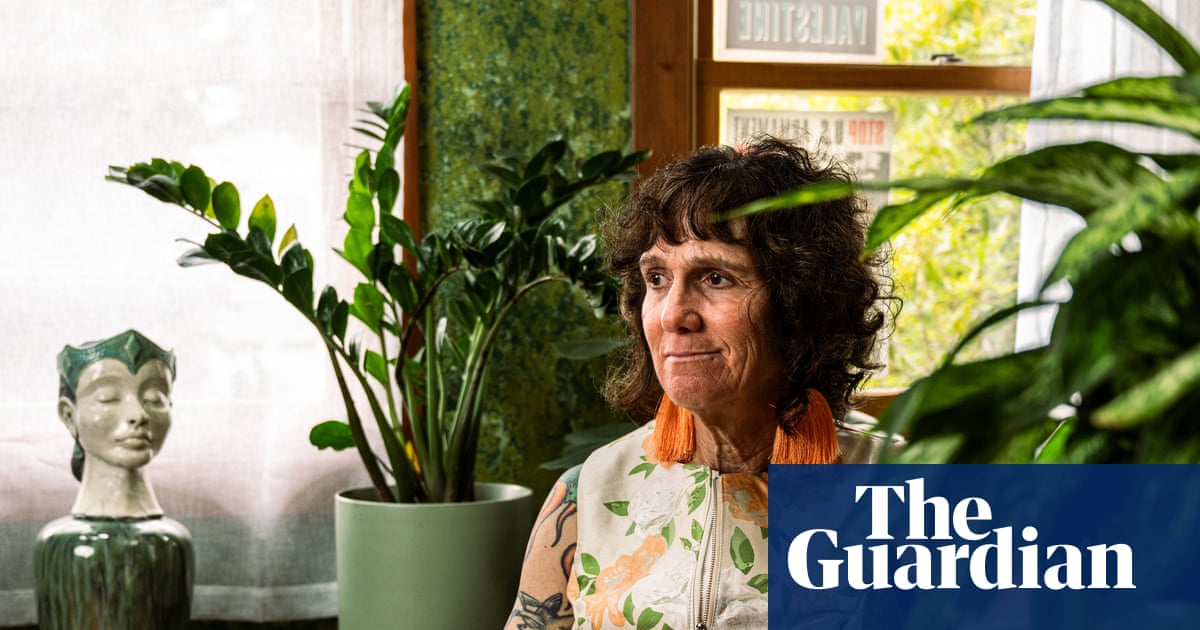
An activist has reportedly become the first individual sentenced to jail for protesting against artificial intelligence, drawing comparisons to civil rights icon Rosa Parks among her supporters. Wynd Kaufman, age 69, turned herself in to authorities in San Francisco on Friday following a jury's conviction linked to a protest conducted by the group StopAI. Last year, this group blocked access to OpenAI's headquarters to voice concerns regarding the advancement of artificial superintelligence.
Kaufman, a retired teacher from Berkeley, California, participated in a sit-in protest in February 2025, during which she refused to leave the premises. Despite pleading not guilty to several misdemeanor charges, including interference with a business and unlawful assembly, she was found guilty in June. As she was escorted from the courtroom, sheriff’s officers placed her in handcuffs while supporters chanted anti-AI slogans and songs about resisting technological advances perceived as harmful.
Prior to her sentencing, Kaufman expressed her deep concern about tech executives and researchers pursuing AI developments despite their understanding of the associated dangers. “It’s unconscionable and reprehensible,” she stated, emphasizing her willingness to serve time not for martyrdom but to raise awareness and draw attention to pressing issues.
San Francisco's district attorney, Brooke Jenkins, remarked that the conviction serves as a warning against protesters who may threaten public safety in their advocacy efforts. As Kaufman departed from court, her supporters made their stance clear, chanting for her release as court officials attempted to restore order.
Among those supporting Kaufman was Dwight Ost, 73, a fellow activist, who hailed her as a courageous individual confronting an existential threat related to AI. He voiced concerns over the inability of even experts to manage the potential risks associated with rapid AI advancements. Kaufman and her allies maintain that their protest was essential to prevent more significant harm, especially as reports emerged of leading AI labs, including OpenAI, experiencing security breaches.
Recent comments from U.S. Senator Bernie Sanders demanded that tech leaders halt AI development developments due to fears of misuse leading to catastrophic outcomes, including bioweapons. A letter signed by over a thousand researchers from leading AI institutions also warned of the dangers of advancements outpacing society's ability to regulate them.
As the competition intensifies among frontier AI labs for greater capabilities—and looming IPO valuations—calls for stricter regulations face challenges, particularly given the race for technological dominance between the U.S. and China. Researcher David Kreuger from the University of Montreal noted Kaufman’s symbolic importance and drew parallels to historic civil rights figures, asserting that her case signifies a serious issue regarding AI risk.
In the days leading up to her imprisonment, Kaufman reflected on her feelings post-verdict. Despite her disappointment that her jury did not recognize the perceived urgency of the situation, she found some solace in the growing voices of concern from notable figures like Sanders. Preparing for her impending incarceration, she shared her apprehensions about prison life.
Her message to leaders at OpenAI, Anthropic, and Meta was clear: to "regain your humanity" and prioritize safety over unchecked technological progression. She reiterated her belief that society should call for a global ban on the relentless quest for superintelligence.
Professor Stuart Russell, a prominent figure in AI ethics and safety at the University of California, testified in Kaufman’s defense, claiming that OpenAI’s operations present unacceptable risks without sufficient safety measures. He argued for the necessity of stringent regulations on AI development to safeguard against potential disasters.
Despite the activism troubles faced by StopAI, including the disappearance of its co-founder over disputes regarding tactics, the group remains committed to non-violent protest methods in its mission to address these critical issues. OpenAI was contacted for a response regarding these developments.