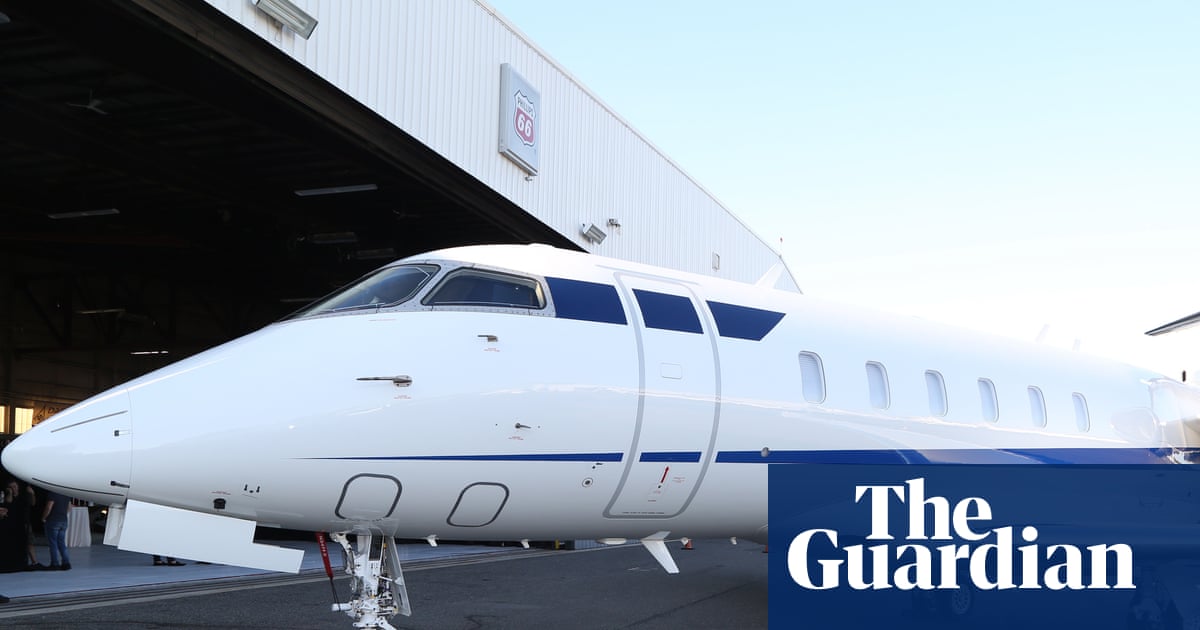
Aviation attorney Amanda Applegate chose to forego her usual vacation last month due to an influx of wealth from AI startups and SpaceX, which has led to an explosion of tech investors seeking private jets. This surge has resulted in a substantial increase in paperwork related to aircraft purchase agreements.
Based in Cleveland, Ohio, Applegate noted that this wave of activity is tied to several significant "liquidity events" in the tech sector. The IPO of Elon Musk's SpaceX, which includes the AI company xAI in its portfolio, generated a staggering $85.7 billion, marking a historic increase in wealth for both founders and employees.
Next on the horizon are expected public offerings for AI firms like Anthropic and OpenAI in San Francisco. Venture capitalists, board members, and early team members from SpaceX, alongside bankers involved in the anticipated IPOs, are investing their newfound wealth into private aviation. This trend signifies that the private jet market is becoming a key beneficiary of the ongoing AI boom, with luxury travel operators increasingly catering to tech entrepreneurs, anticipating a rise in billionaires from this sector.
“There’s a growing number of individuals who can afford private travel, and that number is expanding daily,” Applegate remarked. Her law firm, Soar Aviation Law, has seen a 25% increase in business this year.
The cost of chartering private jets varies widely, from approximately $1,500 to $18,500 per hour, while the purchase price of a jet ranges from $6 million to $70 million, depending on the model.
For many, the journey into private aviation begins with membership or shared-ownership options before evolving into full aircraft ownership. According to aviation intelligence firm Jetnet, the number of flights via shared-ownership programs surged by 11.8% globally in early 2026 compared to the same timeframe in 2025.
Furthermore, flights conducted by private jet owners rose by 13.4%, highlighting a strong demand as frustrations with commercial air travel increase. In North America, which constitutes the largest market, this growth can be attributed to both current owners flying more often and newly affluent individuals entering the world of private jet ownership.
Historically, periods of significant wealth creation—such as stock market rallies, IPOs, and mergers—have resulted in heightened demand for private aviation. For instance, during the dot-com boom, business jet deliveries soared by 24%, as noted by Jetnet.
The current frenzy aligns with the excitement surrounding SpaceX, which boasts a market valuation of about $2 trillion, alongside expectations that OpenAI and Anthropic may soon follow with substantial stock market debuts.
Private aviation provider Flexjet, which specializes in fractional jet ownership, leasing, and membership programs for on-demand flights, is noticing a shift in its customer demographics. “The rise in self-made wealth, particularly from tech IPOs, is bringing in a younger clientele for Flexjet,” said DJ Hanlon, the company’s executive vice-president of sales.
Prior to the IPOs, soaring valuations in private markets have led many investors to treat future gains as highly likely, encouraging some to make significant purchases in advance of these liquidity events. “In the past six to ten months, I’ve encountered several individuals involved with SpaceX who are eager to invest,” shared a California-based aircraft broker who wished to remain anonymous.
Notably, a decade ago, tech clients comprised about 20% of his business. Today, they account for around 75%, rapidly purchasing the limited inventory of new luxury aircraft. “I sold planes last year that could fetch 10% to 15% more today,” the broker noted.
According to Jetnet, the number of ultra-high-net-worth individuals is expected to increase dramatically through 2028, reflecting the immediate effects of windfalls generated by AI advancements. Among major U.S. cities, San Francisco has experienced the largest growth in business jet flights, with an 11% year-over-year rise as of mid-June, based on data from WingX, a Jetnet affiliate.
In Brownsville, Texas, close to SpaceX's launch site, business jet traffic surged by 177% during the company’s IPO window, amounting to 97 flights, as reported by WingX.
Jet Linx, a firm specializing in aircraft management and jet-card memberships, indicated its business rose by 60% year-to-date through May, particularly thriving in Texas, where jet-card membership sales—which require a one-time fee of $17,500 or an upfront deposit of $250,000—have significantly increased in cities like San Antonio, Dallas, and Austin. “We anticipated better year-over-year performance, but these results exceed even our optimistic expectations for 2026,” said Jet Linx CEO Jamie Walker.
Mercury Jets, a charter service, has also observed double-digit growth in demand from executives in the tech sector since the start of the year. After SpaceX’s IPO, the company began receiving inquiries from individuals who had never experienced private flying before. “People are starting to spend their money because they anticipate it’s coming,” the California broker noted. “I’ve had around three clients linked to SpaceX expressing interest in finding something.”