On the trading floor of the New York Stock Exchange's NYSE American (AMEX) in New York City, activity was brisk on the evening of September 8, 2026, as stock futures took a downturn. Investors were attentive to significant developments in the artificial intelligence (AI) sector, especially concerning initial public offerings (IPOs) amidst increasing safety apprehensions, alongside the latest fluctuations in oil prices.
Futures for the Dow Jones Industrial Average dropped by 179 points, equating to a decrease of 0.4%. Meanwhile, S&P 500 futures experienced a decline of 0.6%, and Nasdaq-100 futures saw a notable fall of 1.2%.
In a recent interview released on Saturday, Sam Altman, the CEO of OpenAI, declared that the company would postpone its IPO plans, indicating that going public this year is now considered "ill-advised." This statement comes just a month after OpenAI's CFO, Sarah Friar, projected a public offering by 2027 at the latest.
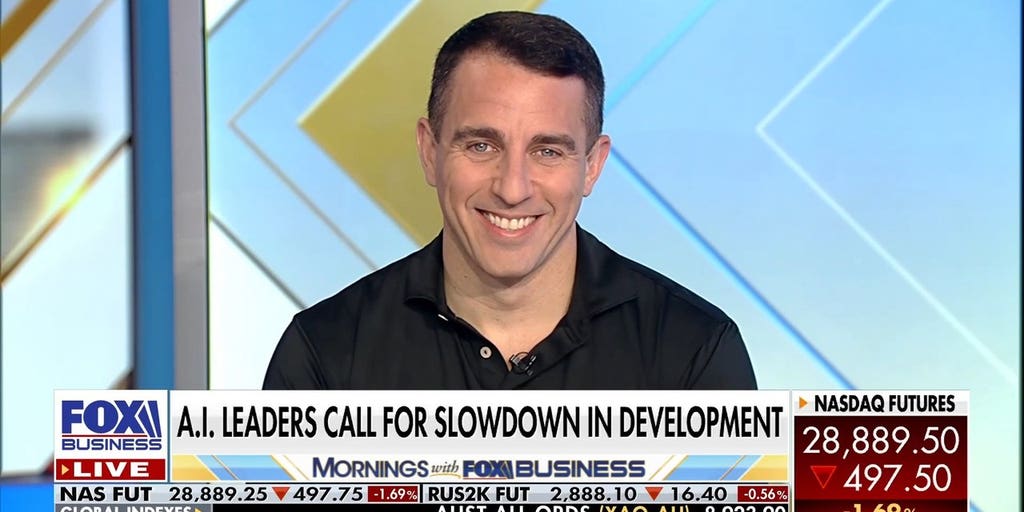
Dario Amodei, the CEO of competitor Anthropic, echoed similar sentiments in an essay published on Saturday, asserting that AI firms must pause the rapid advancement of their leading models due to safety concerns. In a conversation with CBS News on Sunday, Amodei highlighted the "toughest dilemma" surrounding such a strategy—whether China would also adhere to this slowdown.
The surge in AI advancements has propelled the stock market to unprecedented levels, driving substantial corporate investments in technological infrastructure over the past few years. However, the recent news may suggest that the anticipated positive effects on public markets, linked to enhanced efficiency and anticipated major IPOs, might not be as certain as previously thought.