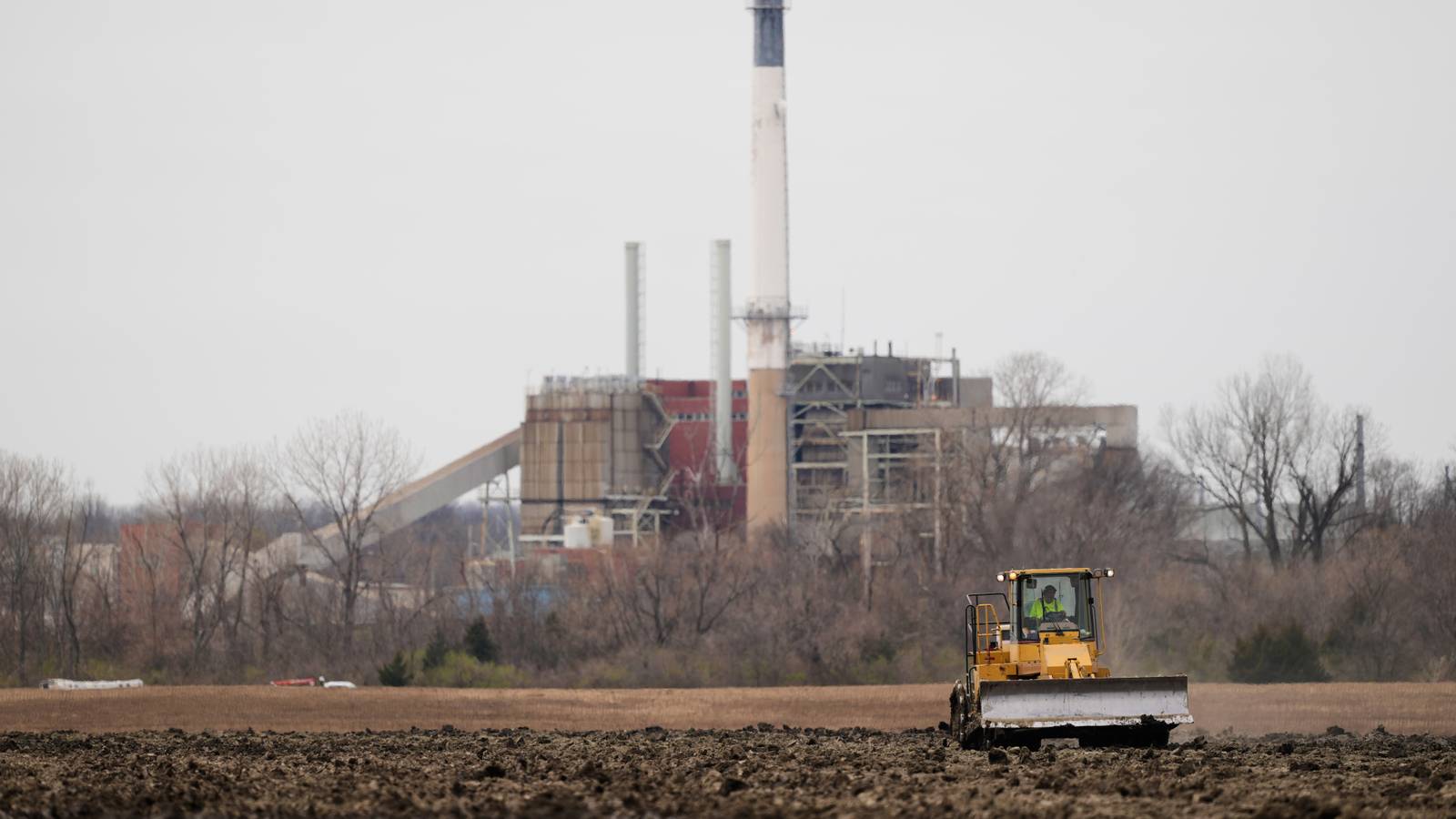
At Dugway Proving Ground in Utah, a location historically noted for grazing, a major investment firm is gearing up to establish a data center. This site, situated approximately an hour from the nearest town, is part of a military facility where the U.S. conducts key chemical and biological weapons testing. The area comprises three parcels that collectively span about 3,466 acres, with one of them—approximately 1,201 acres—already allocated for development.
This project is among at least a dozen military sites the Army and the Department of the Air Force have made available to commercial data center developers over the last 18 months. While two deals are confirmed, the others remain proposals.
In March, the Army initiated exclusive negotiations with two firms to set up and manage large-scale data centers on military land. Carlyle was selected for around 1,384 acres at Fort Bliss, Texas, while CyrusOne, jointly owned by KKR and BlackRock, has been chosen for the site at Dugway. The Financial Times estimates that these projects will each cost about $2 billion.
Under this arrangement, the firms are responsible for financing, constructing, maintaining, and eventually dismantling the facilities, with no initial cost to the taxpayers involved. In return, the Army gains access to computing resources. This initiative is part of the Army's Enhanced Use Lease program, which follows a Trump-era executive order to utilize non-excess federal land for data center development. The U.S. Army Corps of Engineers is managing the leasing and environmental review processes.
"AI is a strategic asset for the Army," stated Army Secretary Dan Driscoll during the announcement in March. He emphasized that such technology serves as a force multiplier, assisting in future transformations and ensuring the Army stays ahead of its adversaries. Driscoll remarked to the Wall Street Journal that the facility at Fort Bliss will be the first hyper-scale data center to be developed by the Pentagon.
Currently, only Fort Bliss and Dugway have been formally selected, with their deals still subject to negotiation. The Army is also exploring potential data center sites at Fort Hood, Texas, and Fort Bragg, North Carolina. In 2025, the Department of the Air Force issued calls for private AI data center projects on unused land at various bases, including Arnold Air Force Base in Tennessee, Edwards Air Force Base in California, and others.
While Dugway is intentionally isolated, the proximity of other proposed sites to residential areas raises concerns. For instance, documents indicate that one potential site at Fort Hood is less than a mile from residential and commercial properties, while several locations at Fort Bragg are similarly close to civilian spaces.
The presence of data centers has sparked controversy in the civilian sector, with nearly $156 billion in projects across the country being delayed or canceled due to local opposition. In Virginia, home to the highest concentration of data facilities in the world, a state-funded study projected that residents' monthly energy costs could rise significantly by 2040.
Mitigating these concerns, Army officials express their commitment to engaging local communities effectively. Col. John Oliver, an executive officer in the Army, emphasized the importance of collaboration with surrounding communities to develop mutually beneficial solutions. “Unlike companies like Meta or Google, we are part of these communities and will regularly engage with them,” he stated.
The Army's data center projects are subject to two unique requirements not typically found in standard commercial developments. Proposals must incorporate net-zero water usage and devise a power plan independent of the local electricity grid. Bidders are also tasked with outlining their local engagement strategies and assessing potential risks or opposition to the projects.
Data from the Defense Department indicates that the El Paso area faces "Extremely High" water risk, given that data centers utilize substantial amounts of water for cooling. Fort Bliss has emerged as a primary focus for the Army's initiative, with plans to make it a net-positive contributor to local resources. Recent discussions have included innovative ideas like drilling a new well to aid the city’s desalination plant, thereby offsetting the water consumption of the data center.
Experts in the field, such as Darrell M. West from the Brookings Institution, commend this proactive approach. Communities that have welcomed data centers are typically those who were fully informed about project details ahead of time.
On the legislative side, Rep. Cory Mills, a Republican from Florida, has proposed an amendment within the House's fiscal 2027 defense authorization bill that would prohibit the Defense Department from leasing land for data centers unless developers ensure that no components from nations like China, Russia, Iran, or North Korea are involved. This includes essential electronics that the department considers to pose security risks.
Conversely, the Army has raised concerns that such conditions could hinder development by imposing regulations on projects that would not apply to similar developments elsewhere. They advocate for fostering incentives that attract firms to build on secure federal land, rather than creating barriers that deter potential developers.
Meanwhile, Rep. John Garamendi, a Democrat from California, has advocated for thorough assessments of energy, water usage, air and light pollution, and security implications before data center contracts are finalized. His proposals were not met with support among Republican members, who questioned their feasibility.
While the dialogue continues, only two projects have made significant progress thus far, with both still conditional. Fort Bliss is projected to achieve initial operational capabilities by fiscal 2027, with Dugway following in fiscal 2029. Plans involve creating a campus featuring both commercial and classified military data operations, along with independent power generation.
The environmental reviews for both awarded sites are being conducted by the Army Corps of Engineers. Developers are required to implement self-sufficient power solutions that avoid reliance on local grids, while adhering to the strict net-zero water standards. Any power generated beyond on-site needs might be sold back to local power grids.
Further discussions on military data center development are anticipated during the Installation Innovation Forum scheduled for October 2026, providing a platform for stakeholders to address ongoing challenges in this evolving sector.