OpenAI is currently navigating a turbulent relationship with the mathematical community, following its decision to withdraw sponsorship from Caltech’s "math hackathon." This event invited participants to leverage large language models to tackle unresolved research challenges.
The announcement came shortly after a letter was released by a group of mathematicians from Caltech — both current and former — expressing their concerns that the event, backed by various AI firms, could have detrimental effects on the mathematical field.
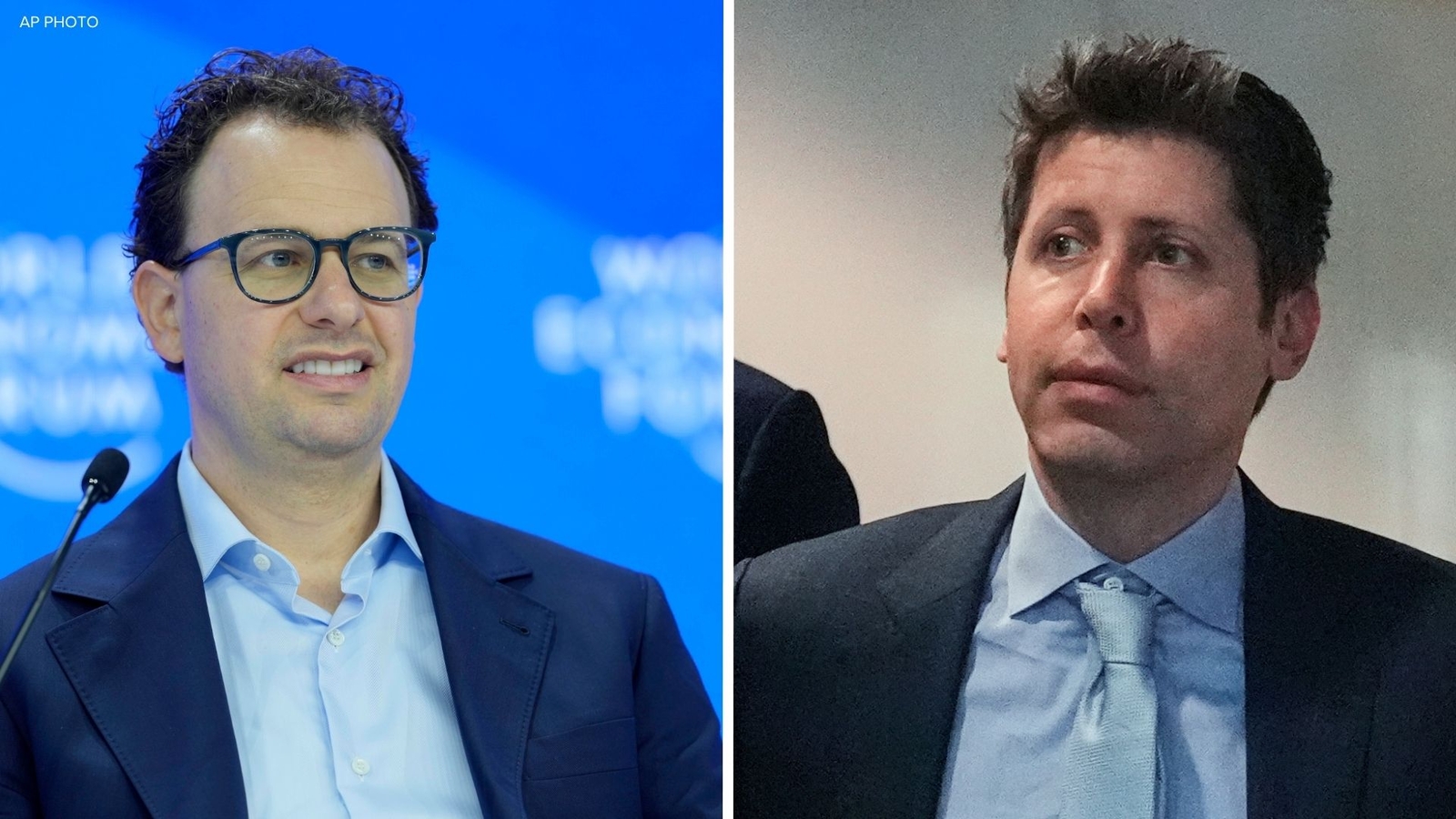
Dan Roberts, OpenAI’s research lead, acknowledged the disruptive potential of AI in mathematics during a Thursday statement on X, emphasizing the need for greater collaboration and dialogue with mathematicians regarding the best ways to integrate AI technology and its broader implications.
The controversy centers on criticisms from mathematicians about how AI companies assert they can resolve significant theoretical problems using their models, while leaving the verification and practical applications to human researchers. They have dubbed this phenomenon "slop mathematics," expressing frustration that the subsequent work required to validate or even refute these claimed solutions goes largely unrecognized.
Tensions escalated on Tuesday when OpenAI announced a purported solution to the Navier-Stokes equations, a complex set of formulas over 90 years old that describe the behavior of liquids and gases. Tristan Buckmaster, a mathematician from NYU who had recently conducted research on the same problem, suggested that OpenAI might have derived insights from exchanges he had with AI chatbots, including those developed by OpenAI. To this, OpenAI acknowledged that it could not discount the possibility that anonymous data from users contributed to improving its models.
Moreover, mathematicians expressed concerns that the Caltech initiative would present an unfair advantage to AI companies, allowing them to take credit for the efforts of capable undergraduate students.
Anthropic, another sponsor of the event, did not provide immediate comments regarding the situation, nor did OpenAI. The "mathathon" is advertised as an opportunity for young mathematicians to responsibly utilize AI tools to enhance their understanding of mathematical concepts, according to the event’s application page.
In response to the backlash, the event's organizers — many of whom are students — expressed regret for any unintended controversy. They stated that the mathathon aims to inspire youth to stay engaged with mathematics and adapt to contemporary tools during a tumultuous era. This being their first large-scale event, they appreciated the feedback received.
The event involves a competitive format where participants first face an initial round, given 40 hours and $20,000 in tokens to work on an open problem. Successful teams that present well-explained and promising answers will progress to a second phase, where they’ll have six months and additional AI tokens to refine their solutions.
Both OpenAI and Anthropic committed a total of $2 million in AI credits to support the event, though it remains unclear how many tokens were allotted by OpenAI or what will happen to them following its withdrawal from involvement.