Open-source artificial intelligence models originating from China are igniting a significant upheaval in the United States, resulting in allegations regarding the theft of training data and the potential for curbing foreign technology imports. In light of escalating tensions, several technology leaders are actively seeking to foster dialogue before the Trump administration escalates its stance against open-source developments, which could threaten America’s proprietary models produced by firms like OpenAI and Anthropic.
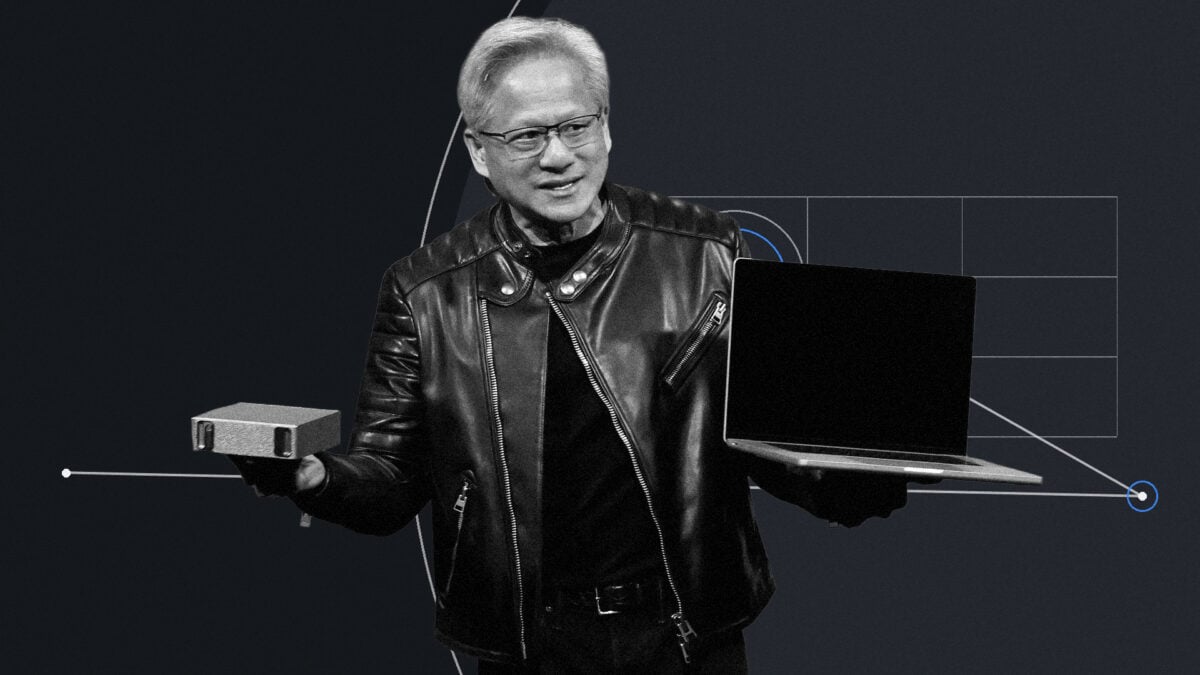
Jensen Huang, CEO of Nvidia, has made a bold move by creating an account on X to emphasize the critical role of open-source AI, a surprising choice given the platform’s rather contentious reputation for nuanced discussions. In his inaugural post, Huang expressed, “AI will transform every industry, power every company, and be built by every country. Open models strengthen safety and cybersecurity, accelerate innovation and diffusion, and enable sovereignty. The world needs both frontier closed models and frontier open models.”
Additionally, Huang released a letter titled “Open Weights and American AI Leadership,” urging lawmakers to refrain from imposing restrictions on open-source models. He advocated for maintaining an open competitive landscape in the model race, cautioning against regulations that could hinder innovation or push advancements overseas.
The letter highlighted how “Open weights also bolster competition, ensuring the benefits of AI are broadly distributed rather than concentrated in a few hands.” It warned that relying exclusively on closed models poses its own risks, as these can be compromised, misused, or fail without external detection.
Huang was joined by numerous other companies, totaling 25 signatures on the letter, which included notable proponents of open-source technology, such as Mozilla, Hugging Face, and the Linux Foundation, alongside some unexpected allies like Meta, Microsoft, and Palantir.
The presence of these companies, along with the absence of OpenAI and Anthropic, reflects their self-interest in the situation. Palantir, which maintains a model-agnostic stance, aligns with the idea of open-source despite its founder’s hawkish views on China. Meanwhile, both Meta and Microsoft are attempting to gain ground in the competitive AI race; Microsoft is reportedly considering adopting open-source models like DeepSeek to reduce costs for its Copilot tool, while Meta has expressed intentions to release its models open-source, though its current flagship Muse Spark remains proprietary.
Nvidia's motives also stem from its own interests; the company benefits from widespread reliance on its chips, regardless of the model in use. A crackdown by the Trump administration on Chinese AI companies may inadvertently impact Nvidia’s business, especially if access to American-built CPUs and GPUs is restricted.
In contrast, Anthropic and OpenAI are raising alarms regarding the potential dangers posed by open-source models, capitalizing on the fears prevalent among some members of the Trump administration. This strategy appears effective, as reports indicate that new restrictions on Chinese AI models are being considered.
Regardless of the outcome of Huang’s outreach to lawmakers, his recent engagement on X allows him a platform to remain connected to the ongoing conversation surrounding this increasingly polarized issue.