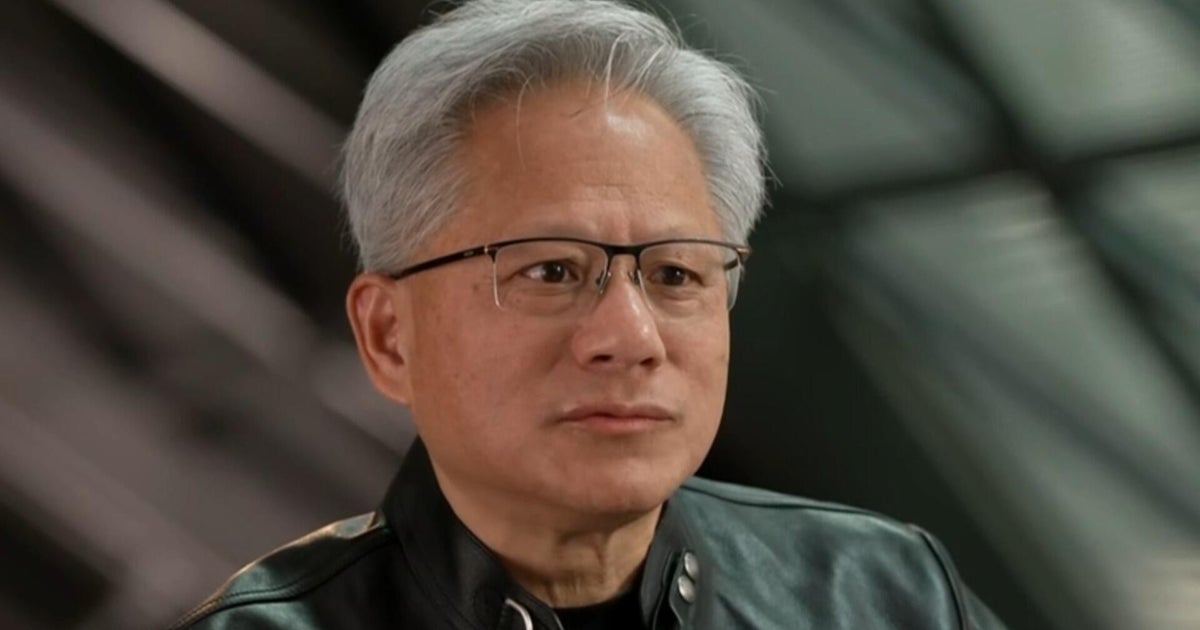
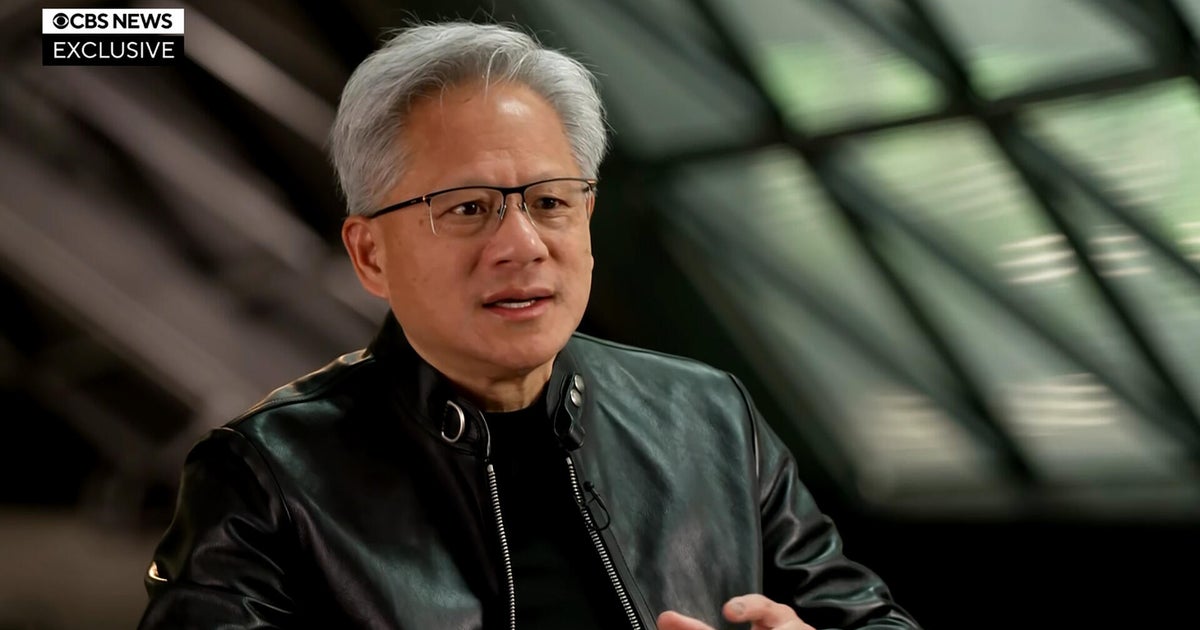
Nvidia's CEO Jensen Huang addressed the press outside a restaurant in the bustling Hongdae district of Seoul, South Korea, on June 5, 2026, revealing the company’s intentions to secure a minimum of $20 billion through debt financing. This move marks Nvidia’s first bond issuance since the surge in interest surrounding artificial intelligence technologies began.
In a filing made to the SEC on Monday, Nvidia outlined its plans for the capital raise but refrained from specifying the exact amount. Earlier in the year, the company mentioned its potential to gather as much as $25 billion via unsecured commercial paper notes. According to sources familiar with the situation, the final debt sale might reach closer to that $25 billion figure, although they chose to remain unnamed due to the sensitivity of the information.
Following this announcement, Nvidia's stock saw an uptick of 3.5% on Monday, contributing to a noteworthy 14% rise in share value this year.
Nvidia joins a growing roster of tech firms capitalizing on the AI trend and turning to the financial markets for funding. Earlier this month, Alphabet revealed plans to raise $85 billion through equity-related transactions, building on over $55 billion in new debt acquired since November. Additionally, Super Micro announced $7 billion in equity financing to support hardware component purchases just last week.
Amazon has also made headlines this year by raising approximately $54 billion in debt through bond sales in both the U.S. and Europe, and it recently announced intentions to secure another $10 billion from a Canadian debt offering.
Currently, Nvidia's financial landscape includes around $7.5 billion in long-term debt and an additional $1 billion in short-term liabilities. The company last raised debt in 2021 when it secured $5 billion with maturity dates extending into 2031. At that time, Nvidia was significantly smaller, posting revenues of about $27 billion in fiscal 2022, compared to an impressive $216 billion expected for fiscal 2026.
The launch of OpenAI's ChatGPT in late 2022 significantly propelled Nvidia's growth trajectory, as numerous AI model developers and hyperscalers began rapidly integrating the company's graphics processing units into their operations.
An Nvidia representative stated that the funds generated from this debt offering will primarily serve general corporate purposes, such as the repayment and refinancing of existing obligations.
In May, Nvidia previously announced an ambitious capital return strategy, increasing its dividend from a mere penny to 25 cents per share while committing to an $80 billion share repurchase program. The company's latest quarterly performance saw a free cash flow of $49 billion, a substantial increase from $35 billion the same quarter last year. During its recent earnings call, Nvidia reaffirmed its goal of returning approximately 50% of free cash flow to shareholders within the year.
In related news, a Wedbush analyst has suggested that Nvidia’s current valuation may not accurately reflect its growth potential.