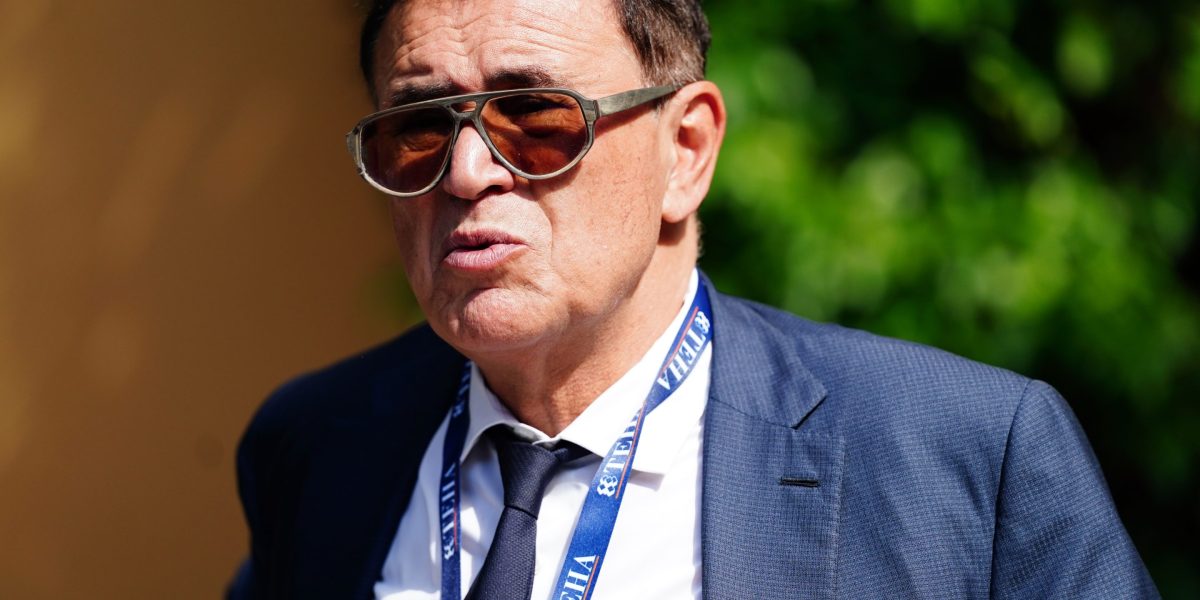
Notable economist Nouriel Roubini, renowned for predicting the 2008 financial crisis and dubbed “Dr. Doom” for his cautionary forecasts, has recently adopted a more optimistic outlook. This shift is especially evident in his perspective on artificial intelligence, a field rife with dire forecasts about potential societal upheaval.
In a recent interview with Bloomberg TV, Roubini shared his thoughts on the urgent need to reform Social Security, particularly since the trust fund that supports benefits is projected to be depleted by 2032. He pointed out that as AI and robotics are set to take over a significant portion of jobs within the next two to twenty-five years, simply raising the retirement age will not suffice to address the mounting challenges.
“To truly adapt, we will need to implement some form of universal basic income both during employment and after retirement,” Roubini stated. “We're already moving in that direction.”
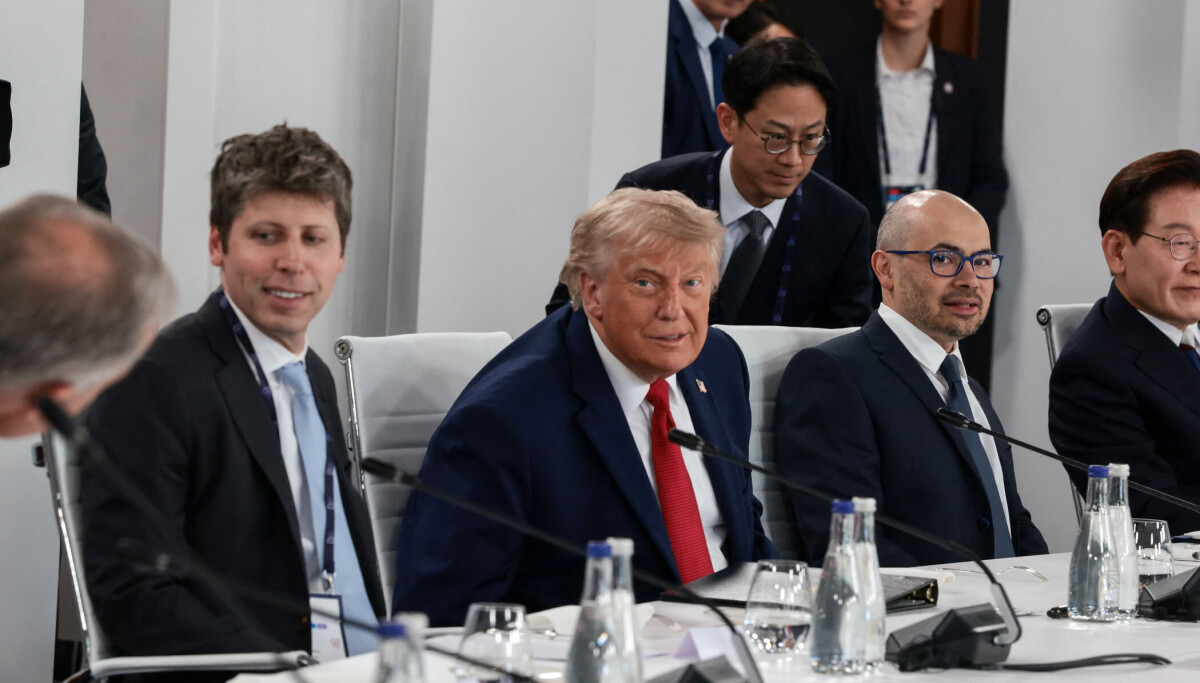
As the workforce faces impending disruptions from AI, industry leaders—including Sam Altman, CEO of OpenAI—have floated ideas about governments potentially providing financial guarantees to citizens. Though Altman has since retracted some of these proposals, the concept of universal basic income remains in the conversation. Earlier this year, the U.K.’s investment minister mentioned that the government is considering this approach to assist workers in sectors likely to be affected by AI.
Roubini emphasized the significance of the AI revolution, labeling it the most impactful technological transformation in history. He envisions a future where artificial general intelligence could match or surpass human intelligence, leading to exponential economic advancements. He anticipates that GDP growth could soar from a range of 2%-4% by the end of this decade to 6% by 2040 and reach an astonishing 10% by 2050. This growth, he argues, will enable the government to levy taxes on the successful companies and redistribute wealth more broadly.
“We’ll have either universal basic income or some form of socialism,” Roubini explained. “The government may need to assume a stake in some of the major tech firms.”
He noted that AI businesses are already showing willingness to collaborate with the government, pointing to a Financial Times report suggesting that OpenAI has considered offering a 5% stake to allow the public to benefit from AI advancements. Although Altman's proposal would encourage other AI developers to follow suit, it remains uncertain whether competitors in the U.S. would agree.
Roubini is convinced that the adoption of universal basic income or socialist measures is on the horizon, remarking, "We are heading in that direction."
When asked about his forecasts, he rejected any notion of pessimism, describing his outlook as optimistic, particularly in light of potential 10% growth rates with “machines handling the workload.”
This perspective resonates with ideas articulated by Elon Musk, CEO of SpaceX and Tesla, who envisions a future where the advancements in AI and robotics will render traditional work optional. Musk suggested that in less than two decades, individuals may prefer to engage in personal activities like gardening instead of adhering to conventional employment, asserting, “It will be optional, in that way, is my prediction.”