Students in New York City's public school system are set to reopen their classrooms next week, but the district is enacting a significant measure that will impact how over half a million students interact with technology. Beginning with the upcoming academic year, New York City Public Schools has confirmed a ban on the use of artificial intelligence (AI) for students in pre-kindergarten through eighth grade.
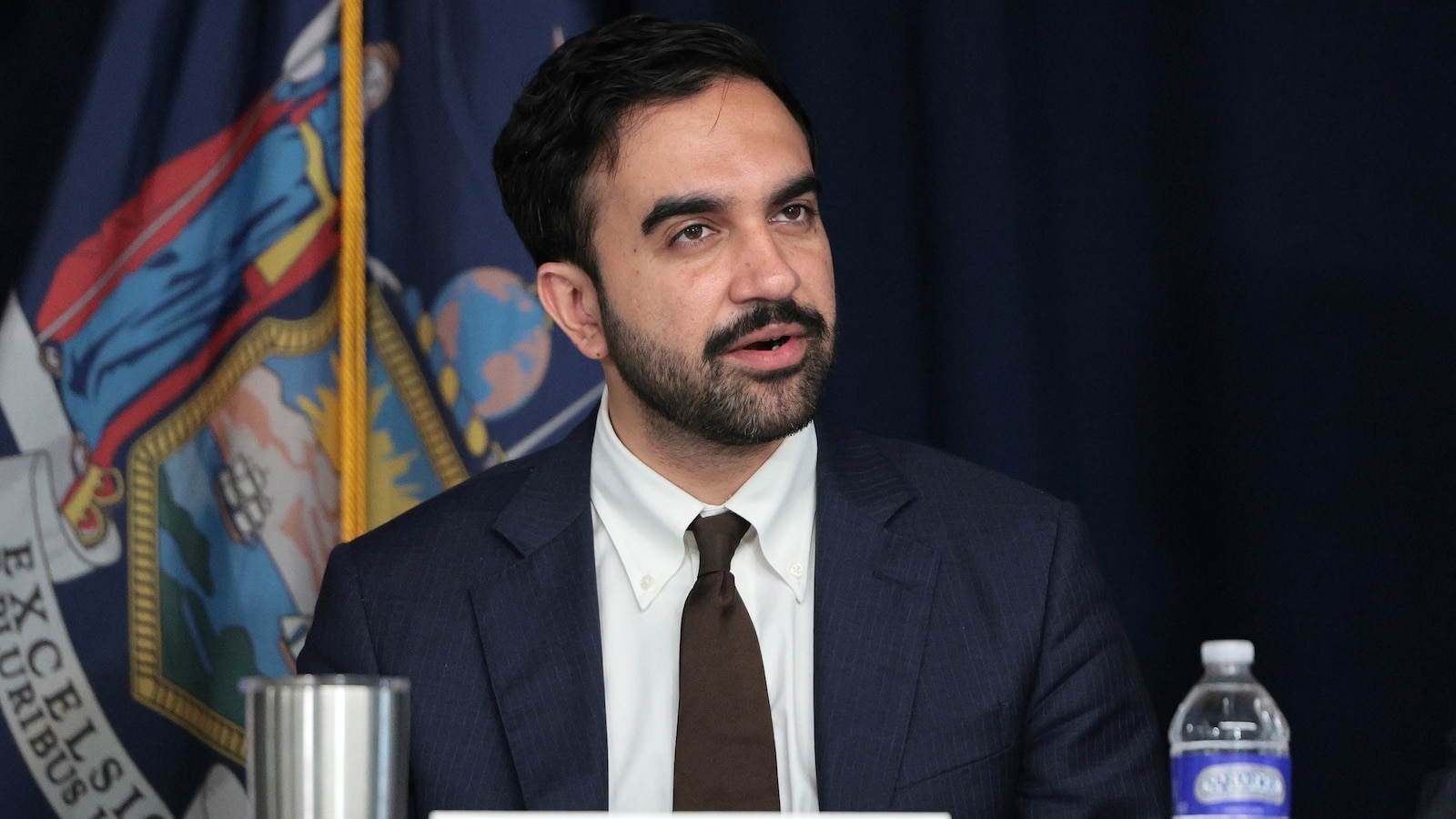
In a statement to ABC News, Mayor Zohran Mamdani outlined the city’s decision to impose a moratorium on generative AI for the specified age groups, indicating that the next twelve months will be dedicated to studying the effects of AI technology in educational settings. He expressed skepticism about the prevailing notion in the tech industry that AI is an unavoidable and essential tool for early education, stating, "We do not see it that way.”
This development coincides with ongoing discussions among educational advocates who are seeking to establish guidelines for AI use. The New York City school district is taking a bold step by implementing what is described as the most comprehensive AI restriction in the country, which includes banning student-facing AI applications and associated chatbots.
It is important to note that this ban does not extend to high school students, who will instead be offered biannual classes aimed at improving AI literacy and critical thinking related to the technology before they begin to integrate it into their learning process.
This decision follows a previous initiative from the district to limit mobile device usage during school hours, reflecting a broader strategy to foster direct interactions and relationships among students and educators without the aid of technology.
City Schools Chancellor Kamar Samuels emphasized the importance of this measure in reinforcing essential critical thinking skills that are vital for student success. He stated, "We’re standing firmly in our decision to not conflate innovation with more tech, and we’re going to lead over the next year with evidence and make sure technology serves learning—not the other way around."
In contrast, the White House is advocating for the responsible integration of AI in education, as officials believe it has the potential to transform learning environments. Many teachers are already utilizing AI to streamline lesson planning, organize classroom data, and provide insights on student assignments. For instance, Texas educator Lori Garrett mentioned her reliance on AI to enhance her teaching methods, allowing students to leverage AI tools to support their learning processes.
However, concerns about the adverse effects of AI and excessive screen time have prompted the Department of Health and Human Services to convene experts to address these critical issues. Dr. Stephanie Haridopolos, in her role at the Office of the Surgeon General, highlighted the need to ensure that technology is safe for children and to distinguish between beneficial educational tools and those that may pose risks.
She reiterated the importance of establishing protective measures for students' use of both social media and AI, noting, “We need to delineate between the two.”