The governor of the Reserve Bank has expressed concerns that the rise of artificial intelligence (AI) might be akin to a bubble, noting the lack of evidence to support claims made by the Albanese government that the technology will rejuvenate Australia’s economy. With an anticipated interest rate hike looming next week, Michele Bullock pointed out that the decline in housing prices is more significant than in many of Australia’s recent economic downturns.
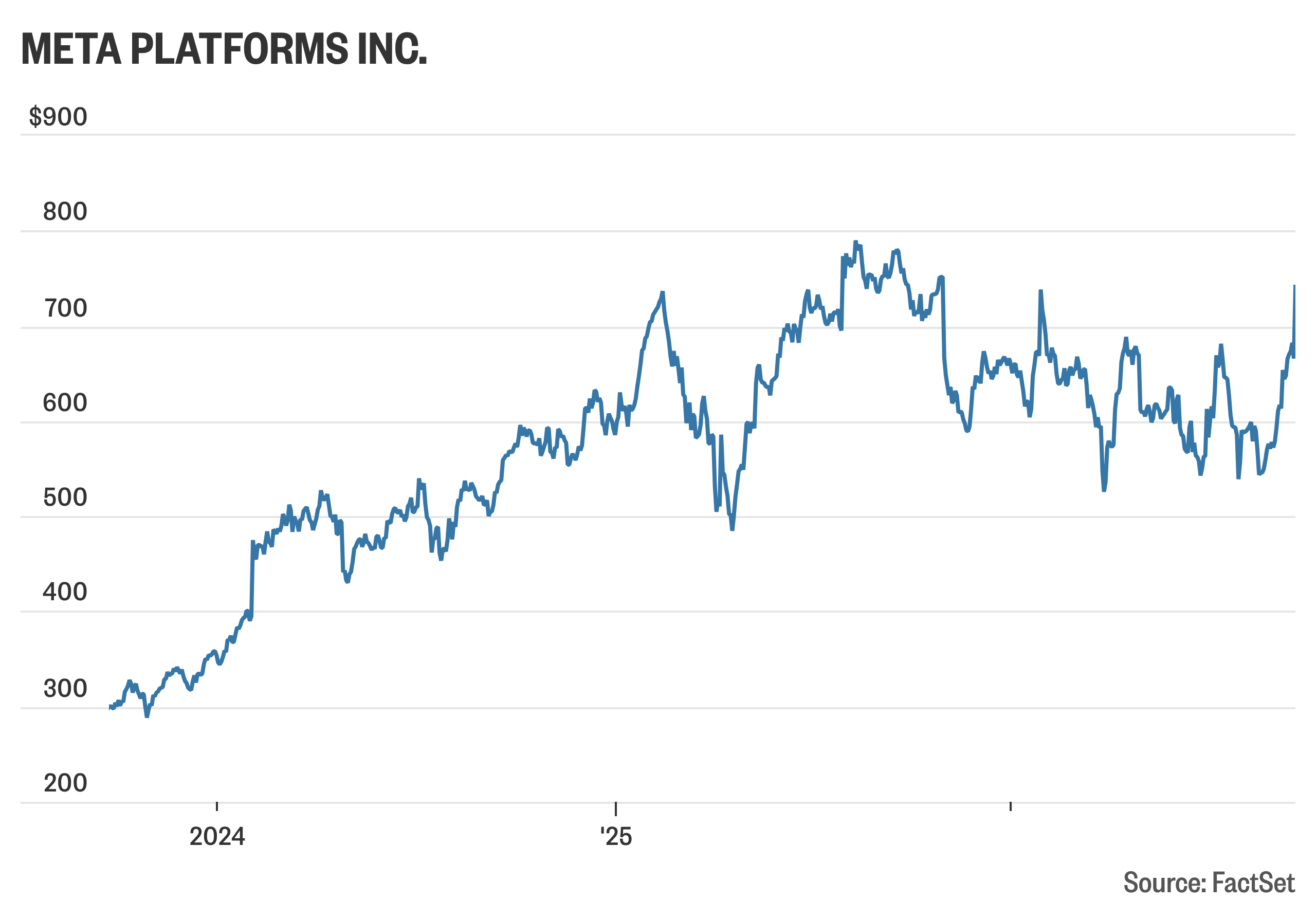
As markets grapple with rising oil prices and inflation, US tech shares rallied on Monday, bolstered by Meta’s launch of its new Muse AI agent, which saw its stock jump by 11%. While speaking at a CEDA event in Sydney, Bullock noted the potential negative impacts of a significant decline in tech stock values on overall economic activity. “All central banks are a little bit worried about that,” she remarked, suggesting a cautious stance toward the tech sector.
Bullock acknowledged that perspectives on AI's potential vary, stating, “Some people think it’s a bubble, some people don’t.” However, she indicated that the Reserve Bank of Australia (RBA) and other international bodies had yet to witness the economic efficiency promised by AI, with investment in data centers and rapid adoption inadvertently contributing to inflationary pressures. Notably, research from South Korea indicated that employees engaged with AI often achieved the same output while working 1.5 hours less each week, highlighting a temporary productivity decline during the adjustment phase. “While people fiddle around and try and figure out what to do with this new technology, productivity actually can decline,” she said, adding that only when businesses rethink their processes will they truly harness AI’s potential for productivity gains.
The Australian government's upcoming intergenerational report aligns with the notion that AI holds the promise of significant economic growth. It forecasts that adjusted per-capita economic activity could soar from $99,200 today to $157,300 by the year 2066, a transformation that the treasurer, Jim Chalmers, described as “the most transformative thing that will happen in our lifetime.” However, economists have cautioned about the feasibility of these projections, questioning the assumption of a return to a 1.2% annual productivity increase. If productivity instead rises by only 0.8%, per-person economic activity would reach a mere $136,600 by 2066. Bullock acknowledged skepticism surrounding these projections, framing them as ambitious goals for the future.
When discussing Australia’s current immigration policies amid a slowing housing market, Bullock attributed much of the country’s recent economic growth to immigration. She emphasized that new arrivals typically contribute positively by working and spending, although their influx has not yet translated into increased housing supply, thereby exacerbating the housing crisis. “Where it bites is the housing market, because the housing market can’t respond,” she explained.
In a contrasting stance, One Nation has proposed a plan to reduce the number of migrants over the next three years, aiming to cut the number of temporary migrants by over 750,000. The Labor government, however, intends to tighten immigration limits, which Home Affairs Minister Tony Burke stated would help alleviate the housing crisis, cautioning that severe cuts could harm the economy.
Recent data revealed a 3.1% decrease in house prices over the past three months, a decline attributed to three recent RBA interest rate hikes and adjustments to tax incentives for property investors. Bullock indicated that home loan approvals have significantly decreased, particularly for investors, thereby altering the dynamics of housing investment. She remarked that housing had grown "pretty unaffordable" prior to this downturn, describing it as merely a small decrease after a prolonged increase in prices. The current market correction, she noted, is within historical norms. Though Bullock refrained from confirming a future interest rate hike, market speculation suggests a strong likelihood of an increase from 4.35% to 4.6%, which would represent a 14-year high.