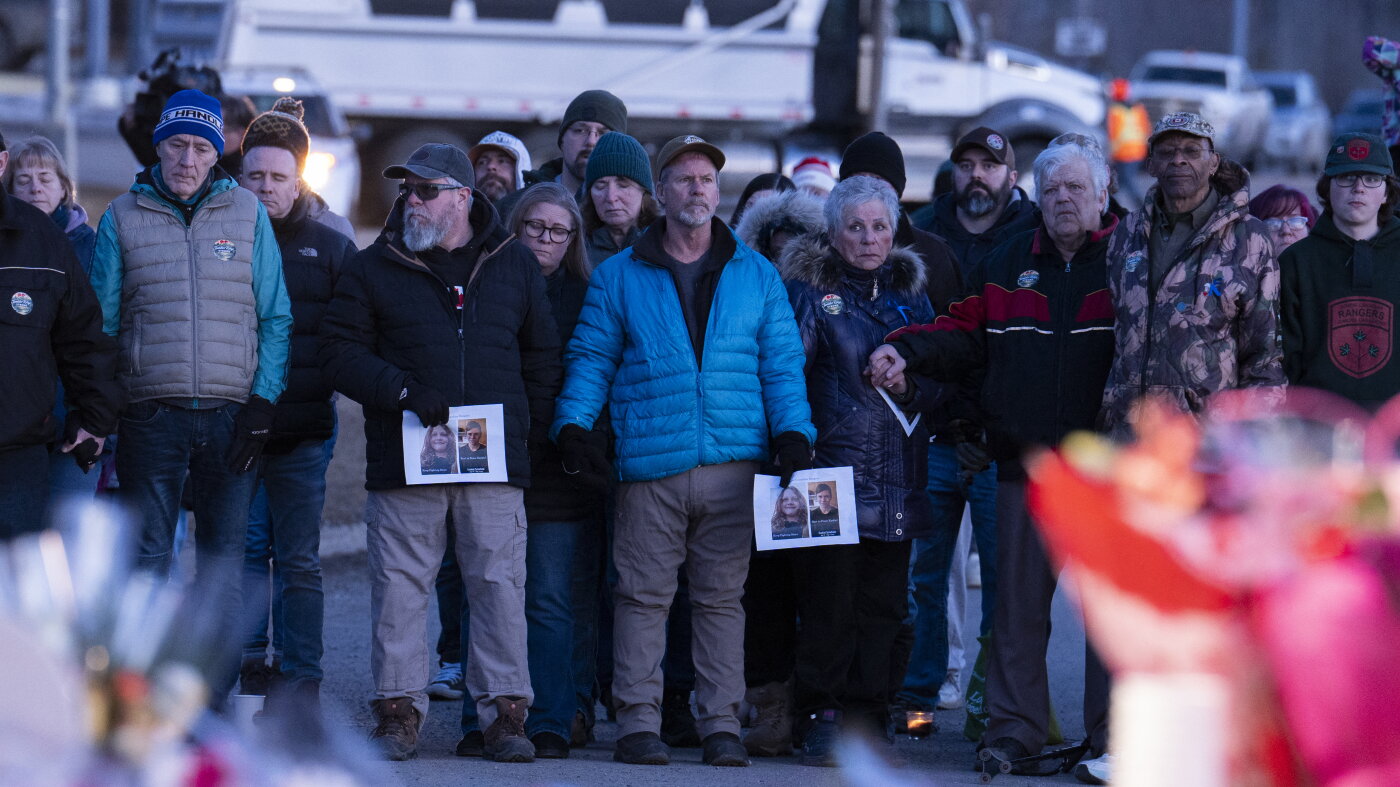
On Wednesday, OpenAI faced new lawsuits connected to a tragic school shooting in Tumbler Ridge, British Columbia, that reportedly involved executives prioritizing the company's public image over safety concerns. Thirty individuals present during the shooting, including students, teachers, and the principal, filed complaints in a federal court in San Francisco against OpenAI and its CEO, Sam Altman. Earlier, the families of seven victims injured or killed in the February 2026 incident had also sued the firm, alleging it failed to inform authorities about the shooter's violent ChatGPT conversations, thus enabling the tragedy.
These latest lawsuits echo previous claims but introduce fresh allegations, suggesting that OpenAI's global affairs team, including chief global affairs officer Chris Lehane, dismissed recommendations from the safety team to notify law enforcement about the concerning account.
Jay Edelson, the lead attorney representing the victims' families, remarked on the broader ramifications of OpenAI's decisions, stating, "What these complaints show is the larger impact and how many people's lives were really destroyed all based on decisions made by people at OpenAI."
OpenAI has strongly rejected the claims regarding its internal decision-making procedures. Jason Kwon, the chief strategy officer, expressed frustration over what he described as false accusations regarding individuals involved in the process, asserting, "It's absolutely false to say Chris Lehane was involved with our original referral decision, or that our investigators report to him in any way."
The Tumbler Ridge shooting has become one of the most devastating incidents in Canadian history, with 18-year-old Jesse Van Rootselaar allegedly killing five students and a teacher before ultimately taking her own life. Reports indicate that prior to the shooting, Van Rootselaar had also murdered her mother and half-brother at home. In June 2025, OpenAI's automated systems identified Van Rootselaar's ChatGPT account due to "gun violence activity and planning." Although the account was deactivated, the shooter created a second account and continued using ChatGPT, which OpenAI claims it was unaware of until after the incident.
The lawsuits contend that OpenAI's Intelligence and Investigations team flagged the shooter's communications as posing a credible threat, recommending that law enforcement be alerted. However, they assert that this recommendation was overridden by the global affairs team, allegedly led by Lehane, raising concerns that decisions about public safety were not made by qualified professionals.
Kwon emphasized that the teams responsible for assessing threats are committed to user safety while maintaining privacy and collaborating with experts in mental health and law enforcement. He stated, "The professionals working on these teams choose to do this incredibly difficult work because they care so deeply about keeping people safe."
OpenAI previously articulated its "zero tolerance" approach to violence and claimed to have enhanced safeguards to prevent misuse of its technology. In response to the first wave of lawsuits, Altman issued an apology to the Tumbler Ridge community for not notifying authorities about the alleged shooter's account sooner.
The lawsuits from Tumbler Ridge are part of a broader trend holding AI companies accountable for adverse outcomes associated with chatbot usage. Since the recent complaints, over 30 lawsuits have been initiated against OpenAI and other AI firms, related to suicide, mass shootings, and various harms from chatbot interactions. Notably, Florida's attorney general has also initiated legal action against OpenAI for not adequately warning users about potential dangers of ChatGPT.
Tim Marple, a former OpenAI investigations team member, argued that the events at Tumbler Ridge highlight significant risks arising from self-regulation by AI companies, emphasizing the urgent need for a robust regulatory framework to ensure safety in AI technologies. He remarked, "The only people looking at safety systems are the same people who make money from it," pointing to a critical flaw in the existing system.