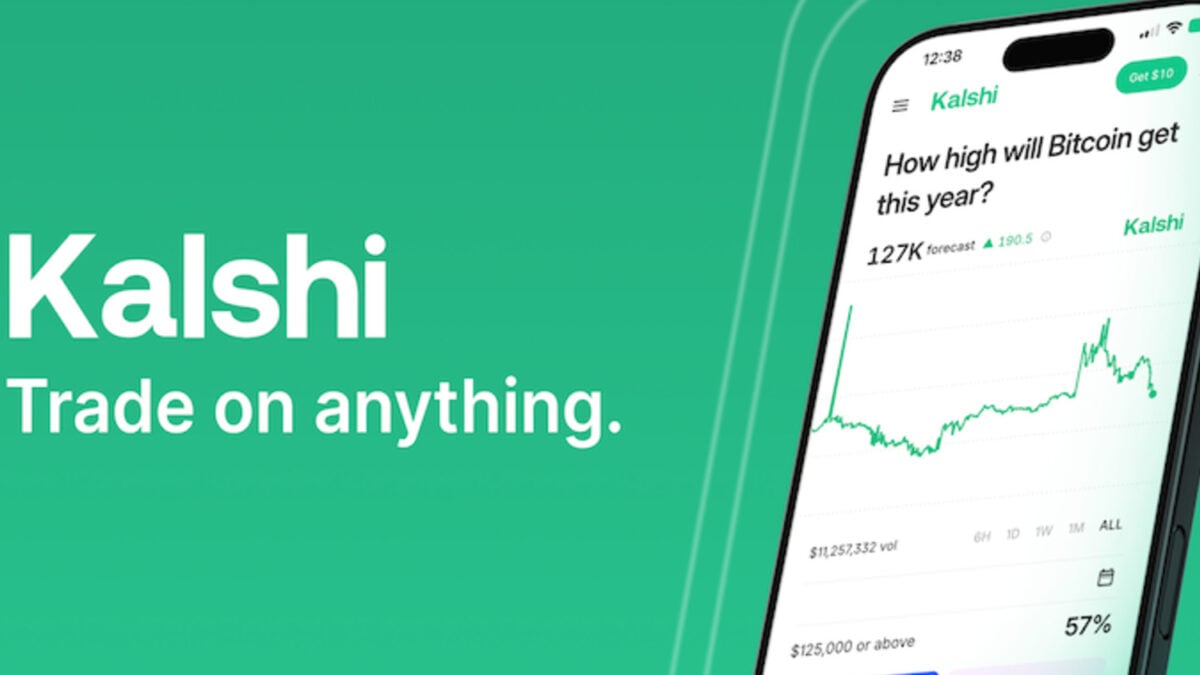
Searching online has increasingly become a frustrating experience, inundated with AI-generated falsehoods, low-quality sites forcefully climbing search rankings, and an overwhelming number of paid results. As a consequence, many users have turned to ChatGPT as a primary means of finding information. This shift suggests an impending commercialization of the platform. According to a report from the New York Times, OpenAI has entered a partnership with prediction market firm Kalshi to integrate real-time odds for World Cup games directly into responses generated by ChatGPT.
Although the specifics of the agreement between OpenAI and Kalshi have not been publicly disclosed, the Times highlights that while results featuring Kalshi data will credit the source, there is no identification clarifying if this data is part of a paid placement or sponsorship. OpenAI’s documentation regarding ads in ChatGPT states that "ads can appear below a response," and assures users that these ads are labeled as sponsored and kept visually distinct from ChatGPT's content. Thus, it seems OpenAI does not consider this arrangement to be merely a monetization tactic.
On the support page dedicated to ChatGPT's search functionalities, additional context has been provided: "For any queries related to the 2026 World Cup, ChatGPT may present predictive data from Kalshi to offer relevant insights into upcoming matches. When this information is displayed, it will always be accompanied by the label ‘Source: Kalshi.'"
OpenAI emphasizes that this data is intended solely for "informational purposes," clarifying within its usage policies that "you cannot place bets through ChatGPT." This language seems to give OpenAI some degree of separation from Kalshi, even though the primary utility of Kalshi's information revolves around betting. The data reflects public sentiment and expert opinions, but it’s fundamentally linked to a gambling framework.
Regardless of how OpenAI and Kalshi define their collaboration, this is not an isolated incident for Kalshi. Recently, the company, which aims to "trade on anything," has secured various partnerships to expand its market information across multiple platforms, including recent arrangements with major outlets like CNN and CNBC.
The rising popularity of prediction markets is clearly attracting more individuals to participate. While engaging in betting is ultimately a personal choice, it's crucial to understand the risks involved. A recent analysis of bettors from a competitor of Kalshi, Polymarket, disclosed that approximately 70% of accounts have experienced net losses since 2022, with the top 1% of users capturing 77% of all winnings.
Gizmodo attempted to contact both OpenAI and Kalshi for further insights regarding this apparent partnership, but did not receive a response before the article went to print.