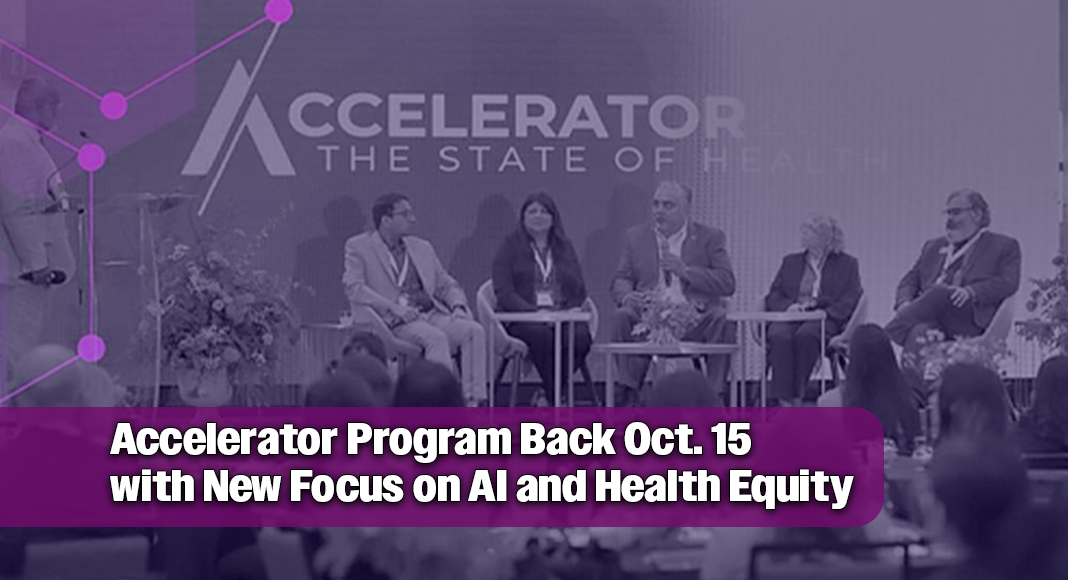
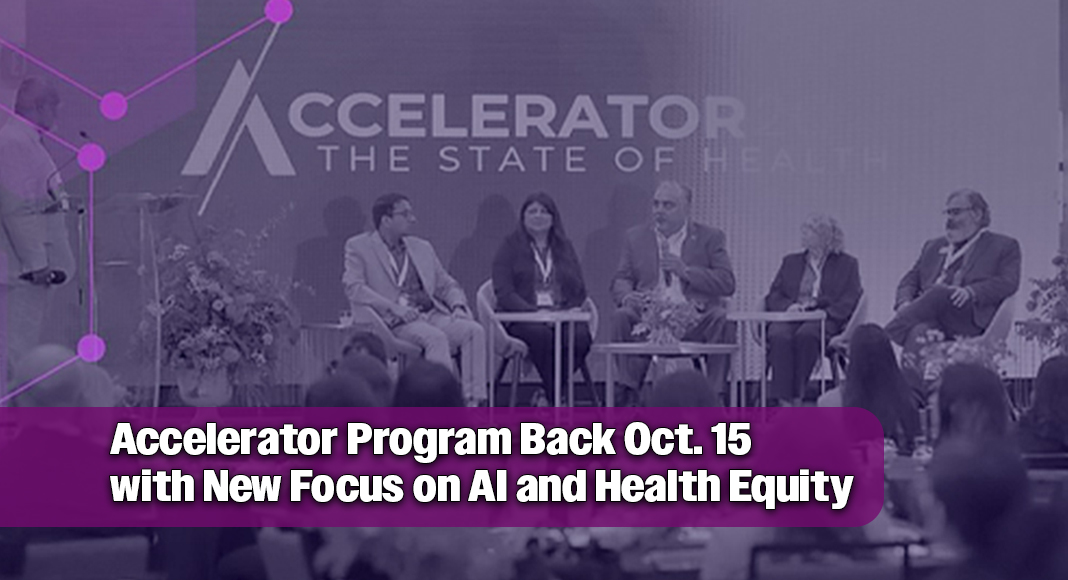
The integration of artificial intelligence in various sectors is becoming widespread, with health care being a critical area where the interplay between human intelligence and AI can have significant implications for patient outcomes.
Dr. Jose Francisco Abad, a family medicine doctor and a certified clinical informatics expert at UPMC, has addressed the nuanced and shifting dialogue regarding the effectiveness of AI in the health care environment.
When asked about the potential issues of self-diagnosing through the internet, whether aided by AI or not, Dr. Abad reflected on past warnings about online searches leading to alarming conclusions. He remarked, "Previously, I referred to Google as ‘three clicks to death.’ Inputting a symptom like a cough can quickly lead you down a path to a dire diagnosis, such as lung cancer." He emphasized that AI could exacerbate this issue by generating unfounded assumptions about our health, potentially causing psychological distress without the necessary context and support from a healthcare provider. This human touch is vital when relaying test results, as it helps prepare patients emotionally for various outcomes and emphasizes the importance of follow-up care.
To evaluate the credibility of online health information utilized by AI, Dr. Abad advised caution. If the AI references lesser-known websites, trust should be exercised cautiously. He underscored the reliability of established organizations like the CDC, World Health Organization, and other reputable bodies. Often, concerns he had regarding AI outputs stemmed from unreliable sources.
On the subject of AI's diagnostic capabilities, Dr. Abad pointed out that AIs can only provide recommendations based on the data they receive. He referred to the adage, "Garbage in, garbage out," highlighting that incorrect input will lead to incorrect conclusions.
Dr. Abad also elaborated on why human professionals excel in making direct diagnoses. Physicians possess contextual knowledge and extensive experience that help them interpret nonverbal cues and differentiate between patient conditions. This wealth of information is often lost in AI interactions.
When discussing the reliability of medical advice from AI, he expressed a necessary skepticism. It’s crucial to approach AI-generated recommendations with caution, particularly for complex health inquiries. While AI can provide reassurance for straightforward questions, it should be used as a supplementary tool rather than a definitive resource.
For instance, Dr. Abad discussed how AI might assist in addressing simple queries, like whether certain medications are safe during pregnancy. However, it should also inspire deeper conversations with medical professionals who can make comprehensive assessments.
In his practice, Dr. Abad mentioned a practical application of AI that helps him take notes during patient consultations while also prompting him to consider additional factors that may have been overlooked, enhancing his ability to make thorough evaluations.
Looking to the future, Dr. Abad is optimistic about the evolution of AI in health care. He believes that as artificial intelligence continues to advance, the ideal outcome will be a synergistic relationship between AI capabilities and human expertise, emphasizing the necessity of keeping healthcare providers actively involved in the diagnostic process.