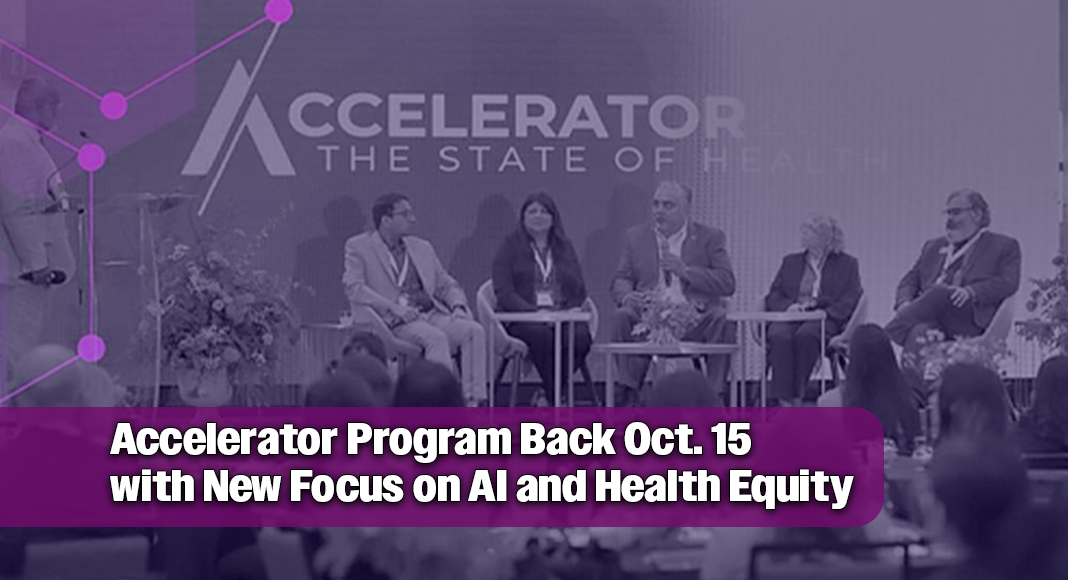
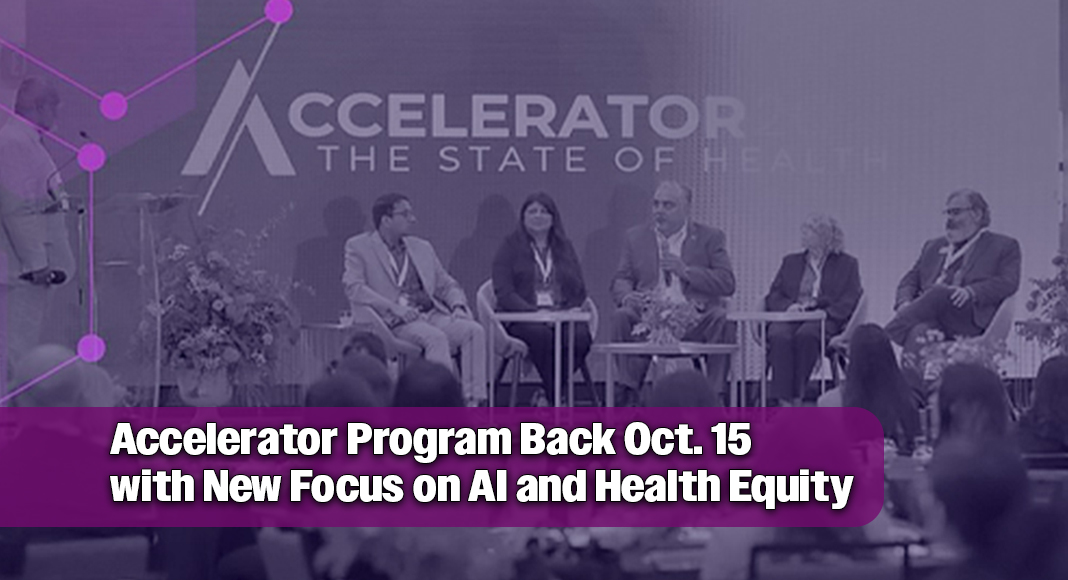
Artificial intelligence (AI) is increasingly becoming a fundamental component of the healthcare landscape, and its presence is expected to persist. However, industry experts emphasize that the expertise, judgement, and critical thinking skills of healthcare professionals will continue to play a vital role in patient care. This viewpoint was discussed during a webinar titled "The Future Doctor: Balancing Clinical Experience with Technology," hosted by SRM Institute of Science and Technology in collaboration with The Hindu.
The panel featured key figures including R. Jayanthi, Dean of SRM Medical College Hospital and Research Centre; Vivek N, Dean of Dental at SRM Kattankulathur Dental College and Hospital; Ritubhan Gautam, Head of Global Health at Deep Tek.ai; and K. Ganapathy, Honorary Distinguished Professor at IIM Jammu, who is also a Distinguished Professor at Tamil Nadu Dr. M.G.R. Medical University and an Emeritus Professor at the National Academy of Medical Sciences.
Dr. Jayanthi highlighted that AI has become an essential tool within the realms of healthcare and medical education. She advocated for both medical students and healthcare institutions to embrace this new technological era, emphasizing the importance of cultivating AI literacy among students. Furthermore, she pointed out the necessity of developing a robust "verification reflex" in students, which would allow them to verify AI-generated insights against trusted sources and ensure that their clinical reasoning and critical thinking remain intact.
Dr. Ganapathy contributed to the discussion by asserting that while AI can assist in clinical decision-making, medical professionals should retain ultimate responsibility for their actions. He stressed the need for healthcare practitioners to maintain their expertise in judgement, empathy, and accountability, stressing the importance of formulating the right clinical inquiries to evaluate the reliability of AI predictions specific to individual patients.
In the field of dentistry, Dr. Vivek observed the expanding role of AI in facilitating various diagnostic and treatment processes. He affirmed that while AI serves as a supportive tool, it should never replace the dentist’s role, as the final clinical decisions must always lie with the professional.
Mr. Gautam discussed the implications of AI from a public health standpoint. He noted that AI could significantly enhance healthcare access in areas facing shortages of specialist providers, particularly in rural and underserved communities. Additionally, he highlighted AI's potential to streamline patient screening processes and prioritize individuals requiring immediate care, while also underscoring the importance of addressing issues related to accuracy, bias, and the necessity for clinical oversight in these applications.