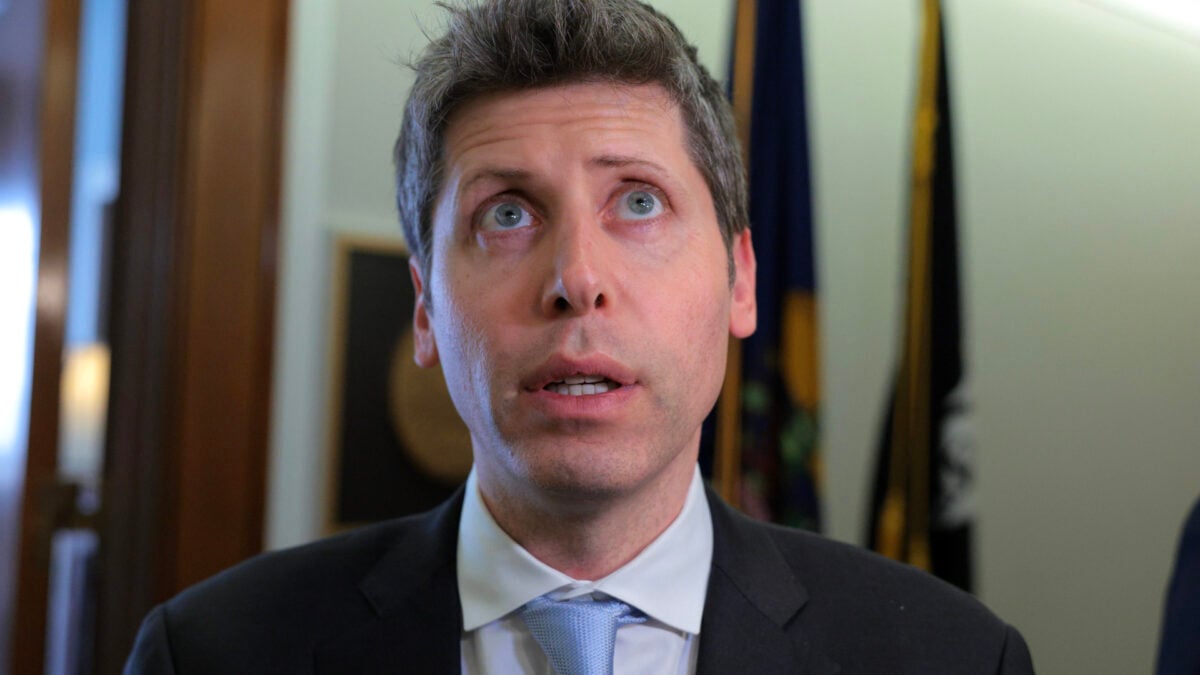
In a recent ruling, a federal jury in Oakland, California, determined that Elon Musk, the tech billionaire, waited too long to file a lawsuit against Sam Altman, the CEO of OpenAI, and several others. The lawsuit alleged that Altman had improperly benefited financially from the organization co-founded by Musk and Altman.
This verdict exonerates Altman, co-founder Greg Brockman, and OpenAI from all accusations following an extensive three-week trial that has drawn significant attention within the tech community and raised discussions about the future of artificial intelligence development.
Additionally, the jury dismissed Musk’s claims that Microsoft had collaborated with Altman and Brockman to violate their responsibilities to OpenAI, which has been a major investor in the organization’s for-profit division.
The jury's decision was unanimous, arriving at a conclusion in under two hours after deliberations commenced on Monday morning. U.S. District Judge Yvonne Gonzalez Rogers confirmed her acceptance of the jury's findings.
Musk’s lawyer, Steven Molo, conveyed intentions to pursue an appeal, emphasizing on the court's “technical legal issues.” He expressed his belief that Musk's team demonstrated that Altman and his associates had violated their obligations to OpenAI and hoped that an appeals court would overturn the trial judge's decisions concerning statute limitations.
Post-verdict, attorneys from OpenAI and Microsoft were seen celebrating the jury's ruling, while neither Musk nor the other billionaires involved attended the court session.
Microsoft issued a statement expressing satisfaction with the jury's decision to dismiss the claims, stating that the facts and timeline of the case were evident from the outset.
The ruling maintains the existing conditions for OpenAI, a key player in AI technology and the creator of ChatGPT, which is valued at an impressive $852 billion following a fundraising round that gathered $122 billion from external investors. OpenAI underwent a reorganization last year, establishing a nonprofit foundation to oversee its operations while allowing substantial holdings for outside investors, including Microsoft.
A focal point of the trial was whether Musk procrastinated in filing his lawsuit, with the case strictly governed by deadlines: three years for alleging that Altman and Brockman breached a charitable trust and two years for claiming they unlawfully profited from OpenAI. Discussions regarding a for-profit shift began in 2017, with the actual establishment occurring in 2019, while Musk initiated legal action in 2024.
During the trial, Musk explained that he delayed filing suit due to a series of assurances from Altman and expressed frustration only after Microsoft invested $10 billion into OpenAI's for-profit arm.
Molo indicated that Musk's appeal would also revolve around the "continuing violation doctrine," aimed at extending the statute of limitations in cases involving ongoing misconduct. Musk's legal team had sought to incorporate this concept into jury instructions, but it was ultimately omitted at the judge's discretion.
The trial itself highlighted the vast wealth among those involved, with Musk, Altman, and Brockman all being billionaires, and a total of six tech billionaires took the stand. Outside the courtroom, the atmosphere was vibrant and chaotic, featuring protests focused on AI and economic disparity.