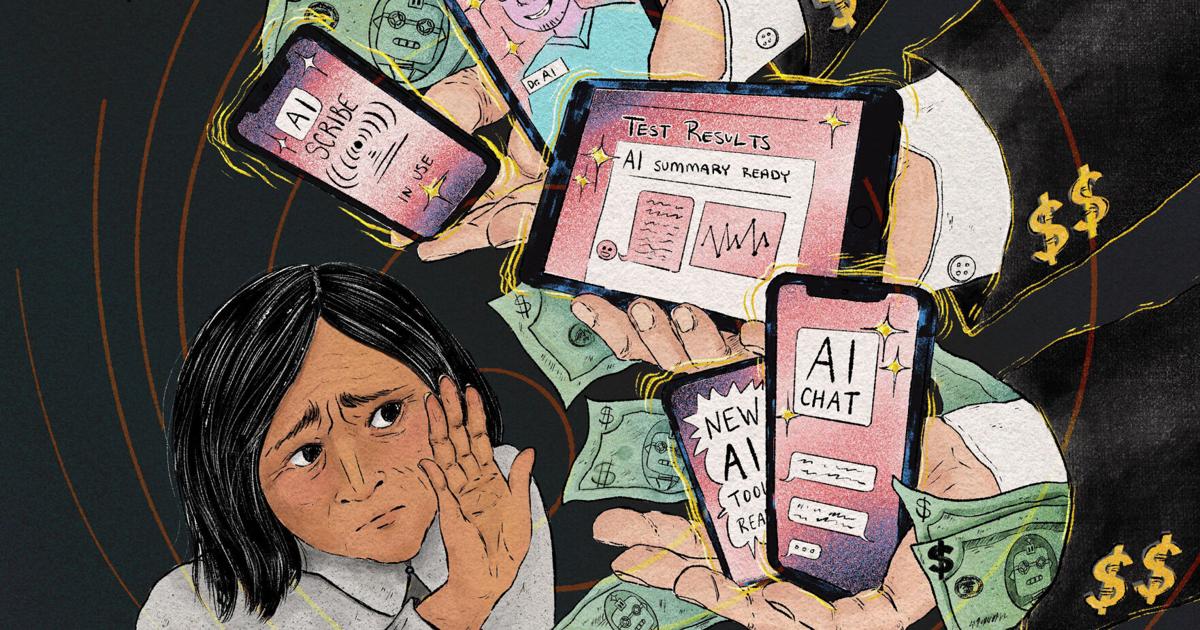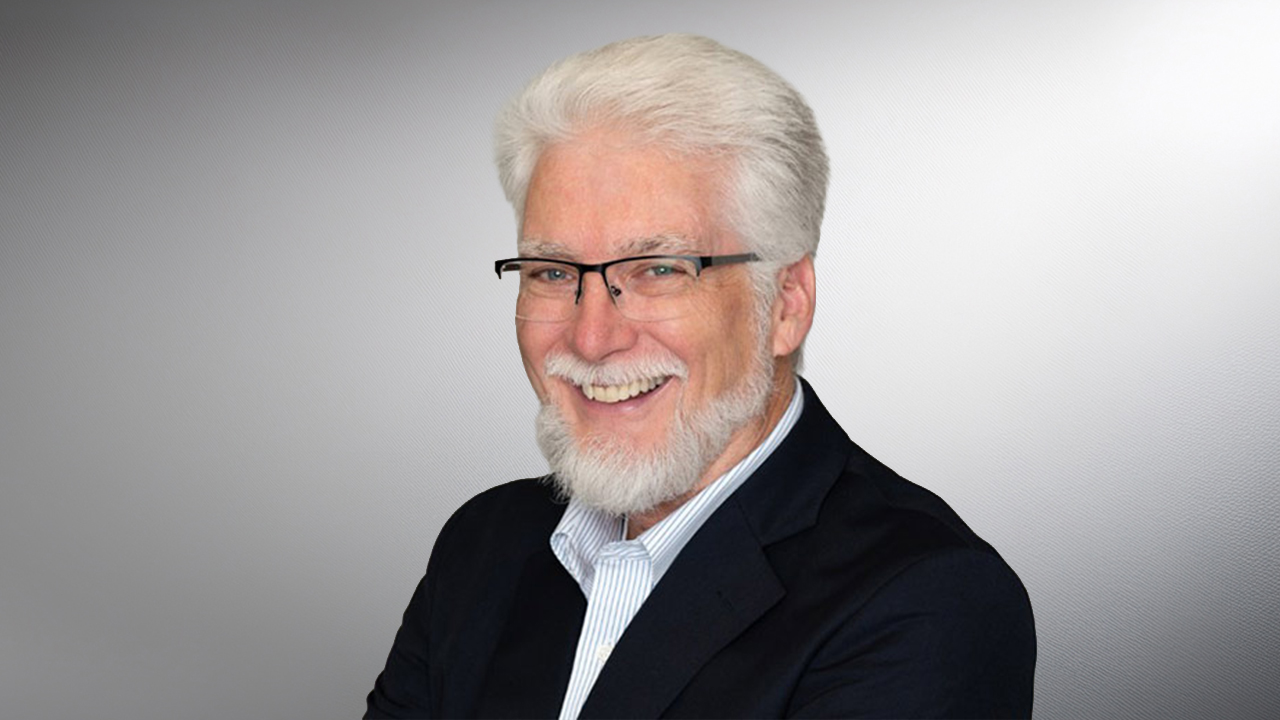
As artificial intelligence becomes more integrated into the healthcare sector, the promise of enhanced efficiency prompts a critical inquiry: what becomes of the human essence in medicine? Arthur Kleinman, a prominent figure at Harvard College and Harvard Medical School, has dedicated over forty years to exploring how cultural factors, caregiving, and personal experiences influence health and recovery.
A well-known expert in medicine, psychiatry, and medical anthropology, Kleinman has previously led the Department of Global Health and Social Medicine and has directed the Harvard Asia Center. He is also the author of influential works like *The Illness Narratives*, *What Really Matters*, and *The Soul of Care*. Kleinman asserts that the practice of medicine is as vital ethically as it is scientifically. His latest research involves Harvard’s Social Technology for Global Aging Research Initiative, which aims to investigate how new technologies can support aging communities. The following is an edited version of an interview with him.
1. With healthcare systems adopting AI tools, what are the potential drawbacks if efficiency becomes the primary measure of success?
The focus of healthcare systems should prioritize care above all else.
This entails treating patients with dignity and empathy, being fully engaged in clinical interactions, and listening intently to patients and their families. Effective care includes well-structured interviews that pinpoint practical issues and an understanding of how patients’ life experiences and social contexts contribute to prolonged illness and disability.
Care is rooted in reciprocity. In family units, members reciprocate the “gift” of care over time by addressing illness and need. In clinical settings, doctors gain insights from patients’ narratives and physical conditions, which they repay with skilled diagnosis and treatment. This exchange is built on trust and an expectation of competent care.
Currently, few systems measure these relational elements. Instead, the healthcare landscape is dominated by metrics focused on efficiency and profits, often overshadowing the genuine quality of care delivered.
AI enters this tumultuous environment with both positive and negative implications. On the upside, AI has been effective in streamlining tasks such as clinic documentation and assisting medical scribes. It also presents the opportunity to directly assess aspects of care—like communication, clinical judgment, and the needs of patients and families—that tend to be neglected. However, it cannot supplant the role of human caregivers.
AI can serve a crucial supportive function, like checking in with patients and families, enriching their knowledge, guiding healthcare decisions, and providing essential follow-up services that are frequently overlooked.
2. As AI takes on more responsibilities in diagnosis and clinical decision-making, which aspects of human-centered care should be safeguarded?
With more than fifty years of experience as a psychiatrist and a medical anthropologist, I've learned that the most profound lessons often arise from personal experiences, such as when I cared for my late wife, Joan Kleinman, who had early-onset Alzheimer’s disease for ten years.
In *The Soul of Care*, I recount my journey alongside other caregivers managing chronic illnesses. Long-term caregiving involves learning to cope with progressively challenging symptoms and behaviors.
This endurance encompasses both joy and sorrow, victory and setback. Most importantly, it involves standing by those with severe illnesses even during trying times. Establishing routines can help guide the caregiving experience. In my case, I provided comprehensive support for my wife, attending to her daily needs.
Over a lengthy timeline, it becomes essential to arrange days, weeks, and months in a way that alleviates our own anxieties, allowing us to remain present for the person we are caring for and offer our full emotional engagement. AI cannot replace these rituals; rather, it can help alleviate some of the logistical burdens that might detract from human-centered care.
3. How can healthcare leaders ensure the preservation of the patient-clinician relationship?
Throughout my career, advancements in technology have significantly improved diagnosis and treatment, playing a pivotal role in the evolution of modern medicine. However, these advancements have also introduced drawbacks. The electronic medical record system, initially designed to foster better-care integration, has often fallen short, mainly enhancing billing processes while frustrating clinicians and damaging patient-physician communication. This trend is prevalent across various technologies.
Given the financial realities of healthcare, we need systems that meaningfully integrate context, AI technology, clinical expertise, and the inherent labor of caregiving.
4. Where do you envision AI's most beneficial impact on mental healthcare, and what areas warrant caution?
In my view, AI cannot replace human therapists. It operates through algorithms that predict language and patterns, lacking the essential qualities of humanity.
In the realm of mental health, the unconscious component is crucial, and AI is unable to engage with it. In cases involving delusions, assessing suicide risk, and processing loss and trauma, AI's tendencies to reinforce can sometimes worsen issues.
Yet, promising advances in AI companions built around patient stories show they could potentially ease agitation without resorting to antipsychotic medications, particularly in dementia care.
5. If you were mentoring a medical student in 2026, what traits would you encourage them to develop in a world increasingly influenced by AI?
Medical students focused on genuine care will encounter AI as a permanent aspect of their professional landscape. The dialogue is no longer about whether to incorporate AI—it’s a question of how to navigate its integration into everyday practice.