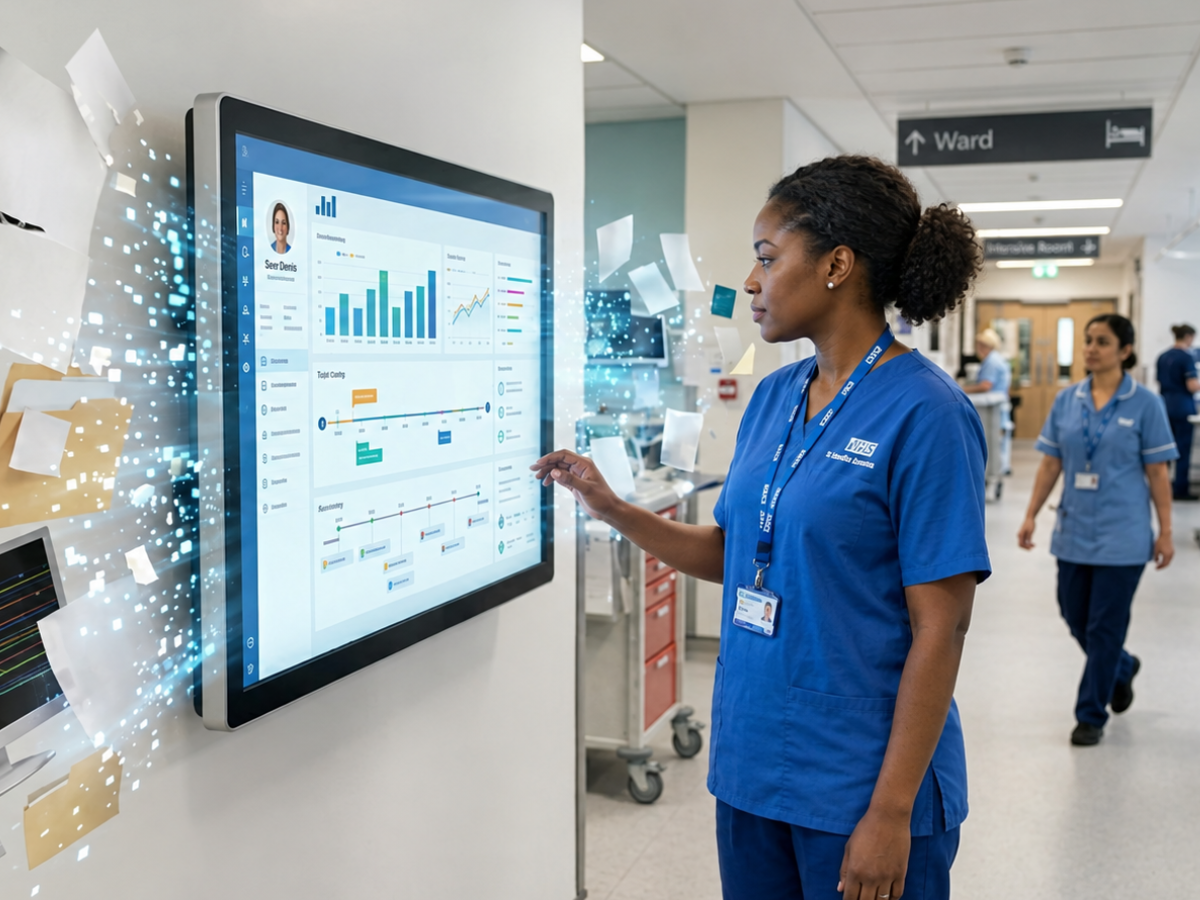
The evolution of artificial intelligence in healthcare has been marked by significant milestones that have driven the industry's advancement. Here’s a look at ten pivotal moments that have shaped AI’s integration into healthcare.
Initially, the 1960s and 70s laid the groundwork with early research into machine learning and its applications in medical diagnostics. A notable project was MYCIN, developed in the early 1970s, which focused on diagnosing bacterial infections and recommending treatments. This groundbreaking system illustrated AI's potential in clinical settings.
Fast forward to the 1980s, when the introduction of expert systems began to gain traction. These systems utilized rule-based approaches to assist healthcare professionals in decision-making, demonstrating AI's ability to improve diagnostic accuracy.
The 1990s brought significant advancements in data storage and processing, enabling better handling of the vast amounts of healthcare data being generated. This shift set the stage for machine learning methods that became integral to modern AI.
In the early 2000s, the emergence of electronic health records (EHRs) marked another transformative milestone. EHRs not only streamlined patient information management but also provided a wealth of data for AI algorithms to analyze, fostering further innovation in AI applications.
As we entered the 2010s, deep learning techniques took center stage. Researchers developed algorithms capable of analyzing medical images with remarkable precision, assisting radiologists in detecting conditions like tumors and fractures.
By the mid-2010s, AI began to play a more prominent role in personalized medicine. With advancements in genomics and AI analytics, clinicians could tailor treatments based on individual patient data, enhancing the efficacy of interventions.
The arrival of virtual health assistants, powered by natural language processing, around this time revolutionized patient engagement. These AI-driven tools provided around-the-clock access to health information, making healthcare more accessible.
More recently, the COVID-19 pandemic accelerated the adoption of AI in healthcare, showcasing its potential in managing public health crises. From patient monitoring to vaccine development, AI technologies played a crucial role in responding to unprecedented challenges.
Today, artificial intelligence is becoming an integral component of healthcare strategy, with ongoing research pushing the boundaries of what these technologies can achieve. As we continue to witness rapid advancements, the milestones of the past serve as a testament to the incredible journey of AI in transforming healthcare for the better.