As leaders from a multitude of nations, including U.S. President Donald Trump, prepare to gather in New York for the world’s premier annual diplomatic event, we bring you an update from the United Nations General Assembly (UNGA) during its high-level week. Our team is stationed at the U.N. headquarters in Turtle Bay, equipped to cover a week filled with crucial discussions and impactful meetings.
This year, the focus will be on how the U.S. interacts with this significant gathering. President Trump is expected to deliver a speech on Tuesday morning, after a prior address where he expressed robust criticisms of the U.N. In a move to reaffirm its financial commitment, the U.S. recently paid over $800 million in overdue dues, which includes peacekeeping contributions. However, the nation still owes over $3 billion related to both the regular budget and peacekeeping operations.
Despite a backdrop of U.S. withdrawals from various U.N. initiatives and calls to reduce the U.N.’s budget – a historic first for the organization – a senior U.S. official emphasized a desire for a more focused approach, aiming to refine the U.N.'s priorities around peace and security.
U.S. Ambassador to the U.N., Mike Waltz, highlighted the unique diplomatic potential at UNGA, where a diverse array of global leaders, including presidents, prime ministers, and business executives, converge. Trump's itinerary includes meetings with new U.K. Prime Minister Andy Burnham, Japan's Prime Minister Sanae Takaichi, and acting Venezuelan President Delcy Rodríguez, and discussions with Gulf Council leaders centered on resolving tensions with Iran.
A noteworthy aspect of this year's UNGA is the impending transition in the U.N. leadership, as Secretary-General António Guterres prepares to step down after his tenure began in 2017. The field of seven candidates vying to succeed him includes Rebeca Grynspan, the Secretary-General of the U.N. Conference on Trade and Development, who has emerged as the front-runner.
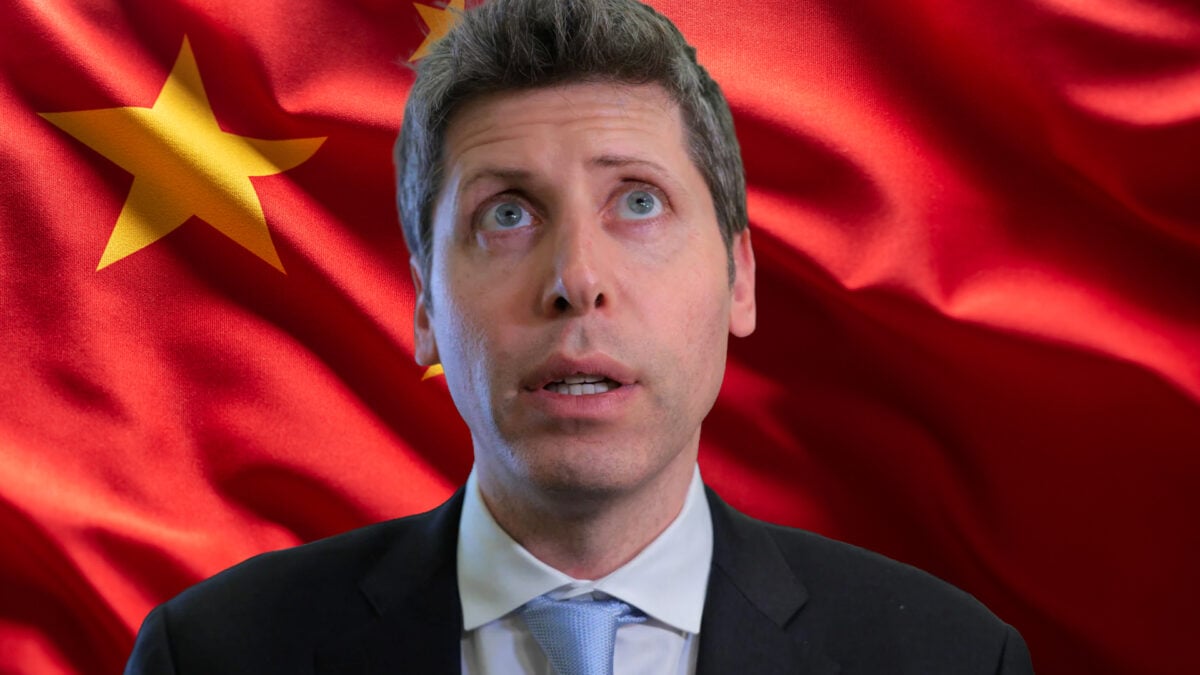
Artificial intelligence (AI) is also expected to garner significant attention at this gathering. Recent concerns about the rapid development of AI technologies have intensified, prompting calls for a pause in advancement until a global governance framework is established. Guterres stressed the importance of international collaboration on AI safety during his last press conference before UNGA. The responses from the U.S. and China, who play vital roles in AI development, will be particularly scrutinized, especially with Trump scheduled to meet with Chinese President Xi Jinping shortly after UNGA.
During conversations at a recent "Digital Cooperation Day," U.N. Undersecretary-General Amandeep Singh Gill indicated that both the U.S. and China have the capacity to influence global AI governance, while also emphasizing that other nations must not await their actions.
In other notable news, American actor Joseph Gordon-Levitt, recently appointed as a U.N. global advocate, shared insights about the societal impact of digital governance at the U.N. and stressed that technology must prioritize human-centric principles.
Looking ahead to tomorrow, the UNGA's opening debate will kick off at 9 a.m. ET, featuring addresses from prominent leaders such as Brazilian President Luiz Inácio Lula da Silva, Trump, King Abdullah II of Jordan, and several others from across the globe.
In addition to our coverage, Foreign Policy is hosting various events, including discussions on energy and AI, featuring distinguished speakers from various sectors.
In terms of public perception, a recent Pew Research Center survey indicates that more than half of respondents from 37 countries view the U.N. favorably, with the highest ratings in Sweden, Indonesia, and Kenya, while Israel displays significant skepticism with nearly 80% of responses being negative towards the U.N.