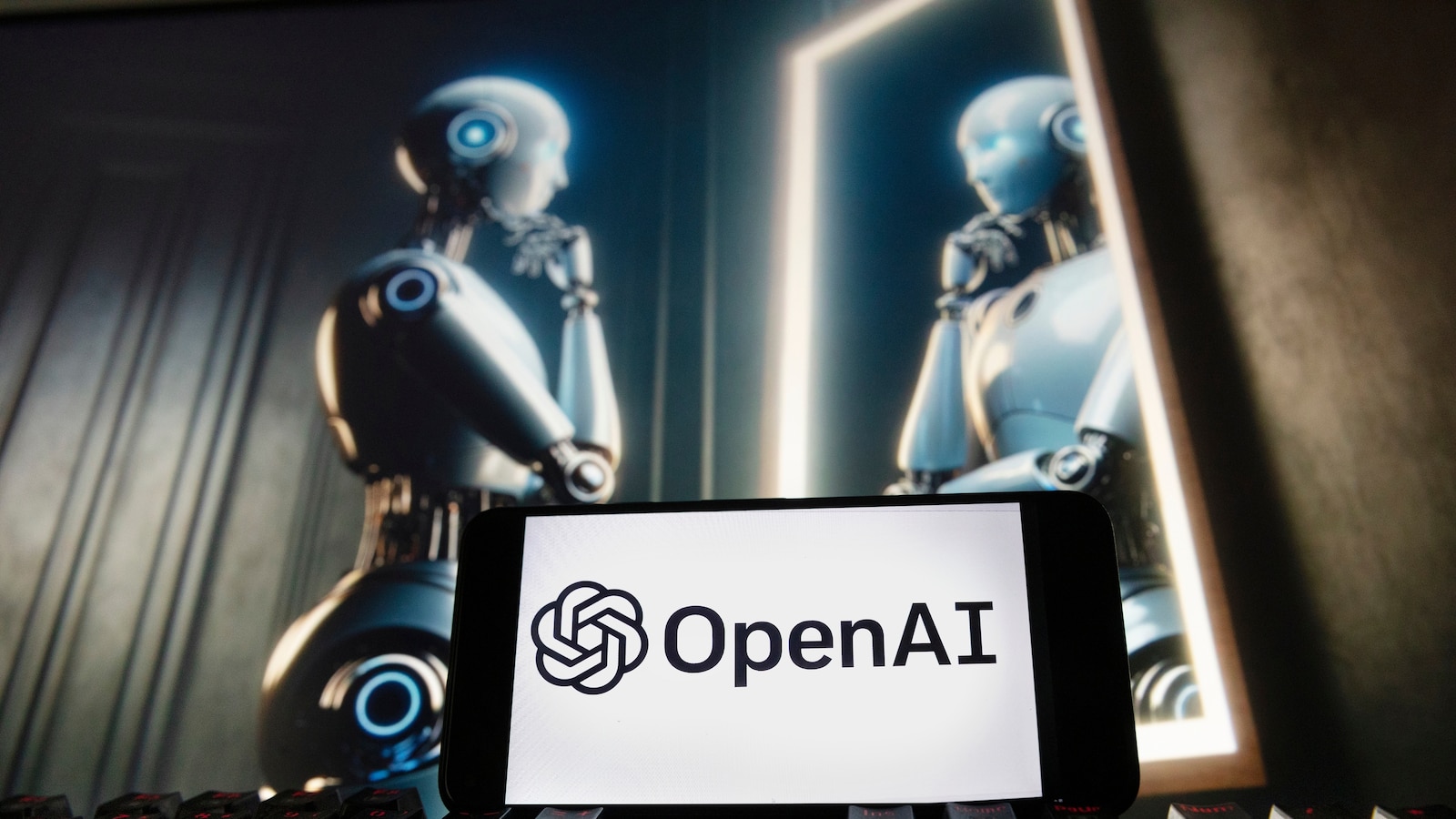
Jensen Huang, the CEO of Nvidia, has sparked a lively conversation in the tech community by asserting that we have achieved artificial general intelligence (AGI) with the launch of OpenAI's newest model, Astra. This claim has opened the floodgates for debates about whether the pinnacle of AI development has indeed been reached.
Meanwhile, as China strives to bridge the technological divide with the United States, prominent Chinese AI firms are openly expressing their ambitions to create AGI. However, it seems that the Chinese government is taking a more cautious approach toward this concept.
To better understand AGI, its current status among leading Chinese AI developers, and the perspective of Chinese policymakers, here’s an overview.
Understanding AGI
AGI does not have a single definitive meaning but is generally understood to describe systems that can equal or exceed human intelligence. The term was initially introduced by American physicist Mark Gubrud in 1997, but gained traction in the 2000s thanks to computer scientists like Ben Goertzel, who authored the book "Artificial General Intelligence," and Shane Legg, co-founder of Google DeepMind.
Recent breakthroughs in large language models (LLMs) have reignited discussions and efforts to formalize a definition of AGI. A significant paper published in December by researchers, including Dan Hendrycks from the Center for AI Safety and Dawn Song from the University of California, Berkeley, proposed that AGI should be understood as AI exhibiting the "versatility and proficiency of a well-educated adult" across a range of ten cognitive skills, including reading and reasoning.